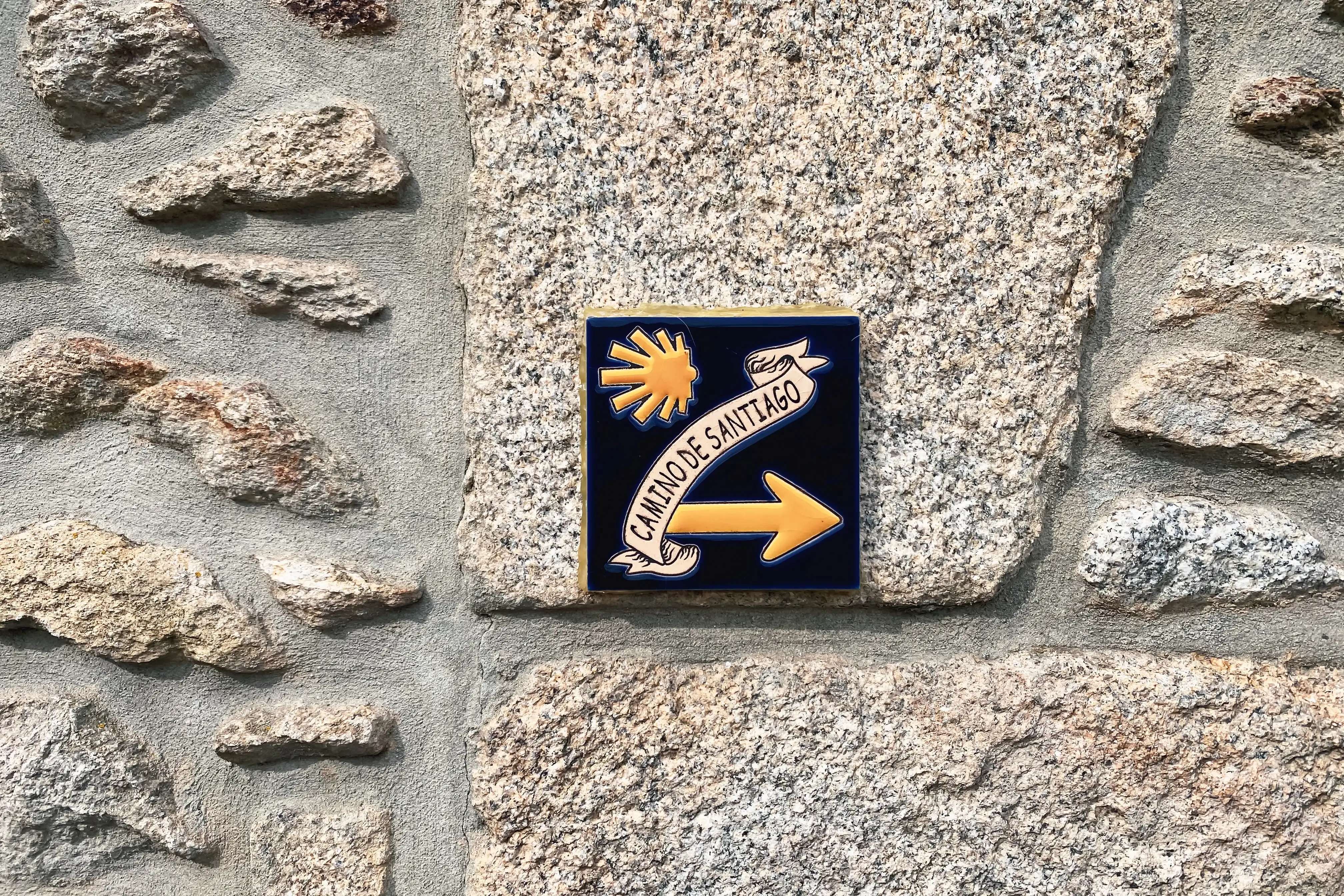

The Camino de Santiago is a network of ancient pilgrimage routes that all lead to the shrine of the apostle St. James in the Cathedral of Santiago de Compostela in Galicia, northwest Spain. It is one of the most popular and well-known pilgrimage routes in the world, with thousands of people walking it each year. The Camino is traditionally walked for spiritual reasons, but many people also walk it for physical and mental health benefits.
There is a robust network of pilgrimage inns (called posadas) that offer a safe place to sleep overnight for pilgrims. When I walked the camino in the early 2000s, the majority of the posadas had been recently renovated with a generous European Union grant, so it was like being comped hotel or hostel rooms everywhere you went. Since then, a lot of them have seen better days but they are all serviceable for pilgrims with a good attitude.
The camino has a number of famous routes:
Camino Francés (French Way): This is the most popular and well-known route. It starts in Saint-Jean-Pied-de-Port on the French side of the Pyrenees and stretches for about 780 kilometers (485 miles) to Santiago de Compostela. The route passes through major Spanish cities like Pamplona, Logroño, Burgos, and León.
Camino Portugués (Portuguese Way): Beginning in Lisbon, Portugal, this route is around 620 kilometers (385 miles) long. Many pilgrims start from Porto, which shortens the route to approximately 230 kilometers (143 miles). This Camino crosses into Spain at Tui and then continues northwest to Santiago. I started about 20 miles north of Porto for my pilgrimage so I didn't walk the full pilgrimage, but 120 some miles was more than enough to get a great taste of what it is like to walk a full route.
Camino del Norte (Northern Way): This route runs along the northern coast of Spain, starting in Irun, near the border with France. It is around 825 kilometers (513 miles) long and is known for its scenic coastal views. The route passes through cities such as San Sebastian, Bilbao, and Oviedo before joining the Camino Francés.
Camino Primitivo (Original Way): Often referred to as the first pilgrimage route to Santiago, it starts in Oviedo and is about 320 kilometers (199 miles) long. It is considered a more challenging route due to its mountainous terrain, but is also less crowded and more peaceful.
Camino Inglés (English Way): Traditionally used by pilgrims from the British Isles and northern Europe, this is one of the shorter routes. Starting in the port cities of Ferrol or A Coruña in northern Spain, it is approximately 115-130 kilometers (71-81 miles) long.
Via de la Plata (Silver Way): This route is one of the longest and starts in Seville in southern Spain. It travels northwards for about 1000 kilometers (620 miles) and passes through the regions of Extremadura and Castile before joining the Camino Francés.
Camino de Finisterre and Muxía: While not a route to Santiago, this is an extension that some pilgrims choose to take after reaching Santiago de Compostela. It leads to the “End of the World” at Cape Finisterre and the coastal town of Muxía. It is around 90 kilometers (56 miles) from Santiago to Finisterre and another 30 kilometers (19 miles) to Muxía.
How to Pack for the Hike:
Most hikers tend to overpack for the trip. There is a big difference between hiking for a day or two and hiking the 10-60 days completing these routes may take. While there is a lot of wilderness to cross, the trails are well marked by a series of shell markers pointing which way to keep marching. Since you are sleeping in posadas throughout the trip rather than really roughing out in the wilderness, there is no need to carry a tent or other heavy gear.
Here are some of the basic items that you should bring:
Backpack: Aim for a 30 to 40-liter pack that sits comfortably on your back. Waterproof or with a rain cover is a bonus, as the weather can be fickle.
Footwear: Invest in a solid pair of lightweight hiking shoes or boots, and make sure you've broken them in before the trip. Bring flip-flops for showers and post-hike relaxation, unless you're a true minamalist who's not afraid of athelete's foot.
Clothing: You’ll need 2-3 moisture-wicking t-shirts, 2 pairs of shorts (or convertible pants), a lightweight fleece, a waterproof jacket, and 3-4 pairs of good quality hiking socks. Don’t forget underwear. You should plan on washing something every night and drying it overnight. You can also hang wet clothes on the outside of your pack to dry.
Sleeping Bag Liner: Lightweight and compact, it's essential for hygiene and a bit of warmth in the posadas, where bedding can vary. If you're tougher feel free to skip this one.
Basic Toiletries: Toothbrush, toothpaste, small soap, and travel-sized shampoo. Maybe throw in some wet wipes and a small towel. Bring a bar of Zote if possible to wash clothes.
First Aid Kit: Basic pain relievers, blister plasters, antiseptic cream, and any personal medication. Your feet will thank you for the blister plasters.
Water Bottle & Snacks: Stay hydrated and keep some snacks like nuts or energy bars handy for the journey. Trail mix works well and is easy to find in Spain. Camelbacks can also work well.
Documentation & Money: Passport, any necessary visas, insurance, credit/debit card, and some cash. Don’t forget your Pilgrim Passport (Credencial) for those precious stamps!
Mobile Phone & Charger: You’ll want to capture some moments, and it’s wise to have a way to communicate or access information.
Multi-tool or Knife: For those times you need to cut, open, or fix something on the way.
Headlamp: Handy for late arrivals or early starts, and for navigating the dark corners of the posadas.
Sun Protection: Sunscreen, sunglasses, and a hat. The sun doesn’t mess around, even in the north.
Walking Poles: Not a must, but they can be knee-savers on rough terrain.
Make sure to do a few 1-2 day long hikes in your new boots and carrying the gear before you embark on the journey. It's really easy to get injured around day 5-7 if your body is not used to hiking 20-30 km a day through somewhat rough terrain.
The Camino de Santiago can be a spiritual journey, a family bonding experience or even one long wine soaked party depending on the attitude of the one who attempts it. But for all pilgrims it's an unforgettable experience.