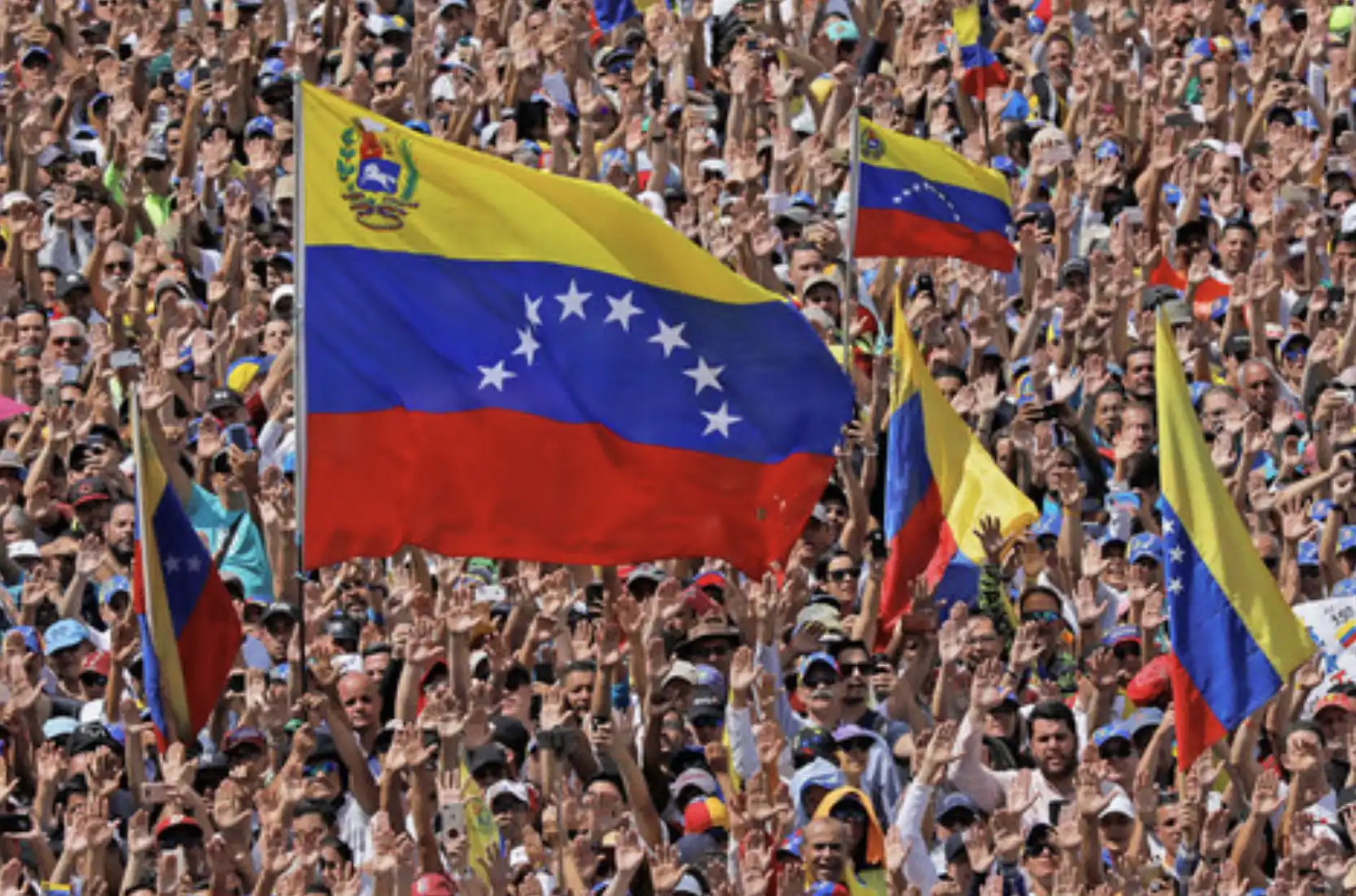
This Sunday, July 28, Venezuela faces a crucial presidential election amid a decade of economic crisis, hyperinflation, and the exodus of over 7 million citizens. The election holds significant implications for the nation and the world.
Incumbent President Nicolás Maduro, in power since 2013, seeks a third term. His tenure has been marked by economic mismanagement, shortages of necessities, and widespread poverty, along with allegations of corruption and dismantling democratic institutions.
Edmundo González Urrutia, the main opposition candidate from the Democratic Unitary Platform, promises to restore democracy and address economic issues. A former diplomat and academic, he has garnered support from those disillusioned with Maduro. However, the election has been marred by controversies, including disqualifications of opposition candidates and tight registration timelines.
International observers have raised concerns about the election's fairness, especially after the National Electoral Council rescinded the EU observer invitation. Despite this, bodies like the United Nations and the Carter Center plan to observe.
As Venezuelans vote, the world watches closely. The outcome will determine whether the country remains under Maduro's rule, shifts to new leadership under González Urrutia, or faces further unrest and conflict. This election is a critical moment for Venezuela, offering a chance for recovery and stability or deeper challenges.
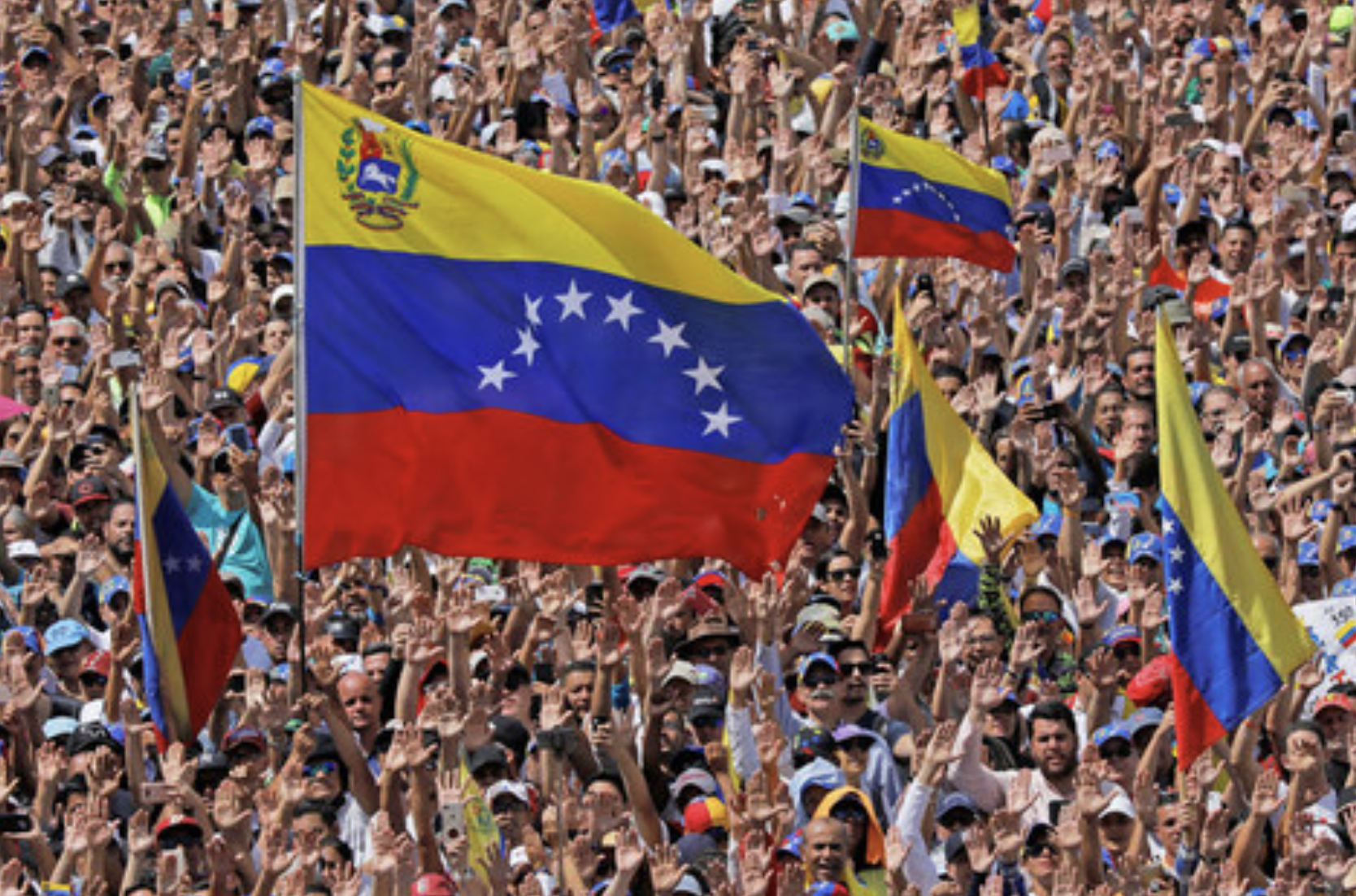
Overview of Venezuela's Political Landscape
Historical Context
Venezuela's political history is marked by periods of democracy and military rule. After gaining independence from Spain in 1821, the discovery of vast oil reserves in the early 20th century transformed its economic and political dynamics, positioning Venezuela as a leading oil exporter.
The Rise of Hugo Chávez
Hugo Chávez emerged as a significant figure in the late 20th century. In 1992, he led a failed coup but gained popularity due to his charismatic defiance. Elected president in 1998, Chávez implemented the Bolivarian Revolution, aiming to redistribute wealth and nationalize key industries. His relationship with the U.S. deteriorated due to his close ties with Fidel Castro and his vocal criticism of U.S. policies, famously calling President George W. Bush "the devil" at the UN in 2006. Chávez's presidency saw the creation of a new constitution, significant social programs funded by oil revenues, and increased political polarization.
Nicolás Maduro's Tenure
After Chávez's death in 2013, Nicolás Maduro took over the presidency. His tenure has been marked by economic decline, political repression, and corruption allegations. Venezuela's GDP contracted by over 60% from 2013 to 2021, leading to severe shortages of basic goods and a humanitarian crisis. Maduro's government has systematically dismantled democratic institutions to maintain power, including dissolving the opposition-controlled National Assembly in 2017.
Democratic Erosion and Migration Crisis
Maduro's actions have led to significant democratic erosion. His government's repression and economic mismanagement have caused over 7 million Venezuelans to flee the country, creating one of the world's largest migration crises. This exodus is a severe humanitarian crisis that has strained regional resources and created anti-Venezuelan bigotry across the hemisphere as millions of migrants have all but overwhelmed countries in the region and beyond.
About 1 in 4 Venezuelans now live abroad and most of those will not be able to meet the requirements to vote.
Venezuelans living abroad are being prevented from returning to the country to vote.
International Relations
Venezuela's political crisis has attracted international attention. The U.S., EU, and many Latin American countries have imposed sanctions on Maduro's government and recognized opposition leader Juan Guaidó as interim president following disputed elections in 2018. In contrast, countries like Russia, China, and Iran continue to support Maduro, reflecting broader geopolitical tensions.
Historical Significance of the Election Date
The 2024 presidential election on July 28 coincides with what would have been Hugo Chávez's 70th birthday, emphasizing his enduring influence on Venezuela's political landscape and the ongoing impact of his Bolivarian Revolution.
Key Players: Nicolás Maduro, Edmundo González Urrutia, and María Corina Machado
- Nicolás Maduro: The incumbent president since 2013, whose administration is marked by economic decline and political repression.
- Edmundo González Urrutia: Representing the Democratic Unitary Platform, a former diplomat and academic focusing on restoring democracy and addressing the economic crisis.
- María Corina Machado: A significant opposition figure, disqualified from running, but influential in rallying support against Maduro. Her removal from the candidacy exemplifies the regime's efforts to undermine fair elections.
As Venezuelans prepare to vote, the world watches closely, anticipating a potential turning point for the nation.
Current Political Climate
Economic Challenges and Social Unrest
Venezuela's economic crisis is among the most severe in modern history, exacerbated by a combination of government mismanagement, corruption, and external factors such as falling oil prices. Since 2013, the country's GDP has contracted by more than 60%, and hyperinflation has eroded the middle class, pushing 87% of the population below the poverty line. This economic collapse has led to widespread shortages of food, medicine, and other essential goods, with over 65% of the population in need of humanitarian assistance. The health system is in a state of collapse, and malnutrition rates are alarmingly high, especially among children.
Social unrest has been a constant under President Nicolás Maduro's tenure. Protests have erupted frequently in response to the dire living conditions and political repression. Security forces have been implicated in human rights abuses, including extrajudicial killings and torture, to suppress dissent. The United Nations has documented numerous cases of arbitrary detention, forced disappearances, and other forms of repression against activists, journalists, and political opponents.
Disqualification of Opposition Candidates
The electoral landscape in Venezuela has been heavily skewed in favor of the ruling United Socialist Party of Venezuela (PSUV). Key opposition figures have been systematically disqualified from running in elections. For instance, María Corina Machado, who won the opposition primary with over 90% of the vote, was banned from participating in the presidential race. This pattern of disqualification extends to numerous other opposition leaders, undermining the credibility of the electoral process. The National Electoral Council (CNE), dominated by Maduro loyalists, has played a crucial role in enforcing these bans and creating an uneven playing field.
International Perspectives and Concerns About Election Fairness
The international community has expressed significant concerns about the fairness of the upcoming election. The disinvitation of European Union observers, coupled with the exclusion of key opposition candidates, has raised doubts about the transparency and legitimacy of the electoral process. Countries like the United States, members of the European Union, and various Latin American states have imposed sanctions on Venezuelan officials in response to human rights abuses and the erosion of democratic norms.
Efforts by international actors to mediate the crisis have included calls for a negotiated political settlement that ensures free and fair elections. Organizations like the United Nations and the U.S. Institute of Peace have been involved in fostering dialogue between the government and opposition, aiming to rebuild democratic institutions and alleviate the humanitarian crisis. These efforts highlight the global stakes of Venezuela's political situation, with broader implications for regional stability and international relations.
The upcoming election on July 28 is seen as a critical test for Venezuela's democratic future. The stakes are high, and the international community will be watching closely to see if the electoral process can meet basic standards of fairness and transparency.
In recent days many would-be international observers have been kicked out of the country or left in protest.
Argentina
Chile
Profiles of Major Candidates
Nicolás Maduro: His Legacy and Controversies
Nicolás Maduro, born on November 23, 1962, in Caracas, Venezuela, has been the President of Venezuela since 2013. He initially rose to prominence as a union leader and later became a key figure in the administration of his predecessor, Hugo Chávez. Maduro served as the Minister of Foreign Affairs from 2006 to 2013 and was appointed Vice President in 2012. Following Chávez's death in 2013, Maduro assumed the presidency and subsequently won a contested election later that year.
Legacy:
Continuing Chávez's Policies: Maduro has endeavored to carry on Chávez’s socialist policies, known as the Bolivarian Revolution. This includes state control over key industries, extensive social programs, and anti-imperialist rhetoric. However, his tenure has been marked by significant economic mismanagement.
Economic Decline: Under Maduro's leadership, Venezuela has experienced one of the worst economic crises in its history. Hyperinflation, a dramatic drop in oil production, and widespread shortages of food and medicine have severely impacted the population. The country's GDP has contracted significantly, and over 7 million Venezuelans have fled the country due to the harsh living conditions.
Political Repression: Maduro's government has been accused of undermining democratic institutions and engaging in widespread political repression. The dissolution of the opposition-controlled National Assembly in 2017 and the establishment of a new Constituent Assembly with broad powers are examples of his controversial moves to consolidate power.
Human Rights Violations: Numerous reports from international organizations have documented human rights abuses under Maduro's regime. These include arbitrary detentions, extrajudicial killings, and torture of political dissidents. The United Nations has reported significant violations committed by Venezuelan security forces.
Controversies:
Disputed Elections: Both the 2018 and the upcoming 2024 elections have been marred by allegations of fraud and voter suppression. Key opposition figures have been banned from running, and there have been significant concerns about the fairness and transparency of the electoral process.
International Sanctions: Maduro's administration faces extensive international sanctions, particularly from the United States and the European Union. These sanctions target key government officials and sectors of the economy, reflecting the international community's condemnation of his government's actions.
Economic Policies: Critics argue that Maduro's economic policies have exacerbated the country's economic collapse. Price controls, nationalizations, and lack of investment in the oil sector have led to severe economic disarray.
Edmundo González Urrutia: Background and Political Stance
Edmundo González Urrutia is the main opposition candidate in the 2024 Venezuelan presidential election, representing the Democratic Unitary Platform. A former diplomat and academic, González Urrutia has emerged as a key figure in the opposition’s effort to challenge Nicolás Maduro’s rule.
Background:
Early Life and Education: González Urrutia was born in Caracas and has an extensive academic background, including degrees in political science and international relations. His educational pursuits have taken him to several prestigious universities both within Venezuela and abroad.
Diplomatic Career: González Urrutia served in various diplomatic roles, representing Venezuela in international forums and working within the Ministry of Foreign Affairs. His diplomatic career has equipped him with a deep understanding of international relations and Venezuela’s position in global politics.
Academic Contributions: Beyond his diplomatic work, González Urrutia has been an academic, contributing to the field of political science through teaching and research. His work has often focused on governance, democratic institutions, and international diplomacy.
Political Stance:
Restoration of Democracy: González Urrutia’s campaign centers on restoring democratic governance in Venezuela. He advocates for the re-establishment of independent democratic institutions, the rule of law, and transparent electoral processes.
Economic Reforms: He proposes comprehensive economic reforms aimed at stabilizing the economy, reducing hyperinflation, and addressing shortages of basic goods. His economic policy focuses on attracting international investment, rebuilding the oil industry, and implementing market-friendly reforms.
Humanitarian Aid: Addressing the humanitarian crisis is a priority for González Urrutia. He supports the provision of international humanitarian aid to alleviate food and medicine shortages and improve living conditions for Venezuelans.
Anti-Corruption Measures: González Urrutia has committed to tackling corruption within the government and public sector. His platform includes measures to increase transparency, accountability, and the enforcement of anti-corruption laws.
Challenges:
Electoral Fairness: The disqualification of key opposition candidates and restrictions on electoral observers pose significant challenges to his campaign. Ensuring a fair and transparent electoral process is a major hurdle.
Political Repression: Like many opposition figures, González Urrutia faces the risk of political repression. Ensuring his safety and the ability to campaign freely is a constant concern.
Economic Recovery: Implementing economic reforms in a country with deeply entrenched economic issues and significant international sanctions will be a formidable task.
Election Dynamics
Polling Data and Voter Sentiment
As Venezuela heads into the 2024 presidential election, polling data reveals a deeply divided electorate. Current surveys indicate a lead for opposition candidate Edmundo González Urrutia over the incumbent Nicolás Maduro. The dissatisfaction with Maduro’s administration is palpable, with a significant portion of the population expressing frustration over the ongoing economic crisis, hyperinflation, and shortages of basic necessities. According to recent polls, approximately 70% of Venezuelans blame Maduro for the economic collapse and support a change in leadership.
https://www.as-coa.org/articles/poll-tracker-venezuelas-2024-presidential-election
Voter sentiment is also heavily influenced by the disqualification of several prominent opposition candidates, which has led to accusations of an unfair electoral process. Many voters are concerned about the legitimacy of the election, fearing that Maduro's government may engage in voter suppression or manipulation to maintain power. This has created a sense of urgency and determination among opposition supporters, who see this election as a critical opportunity to restore democracy in Venezuela.
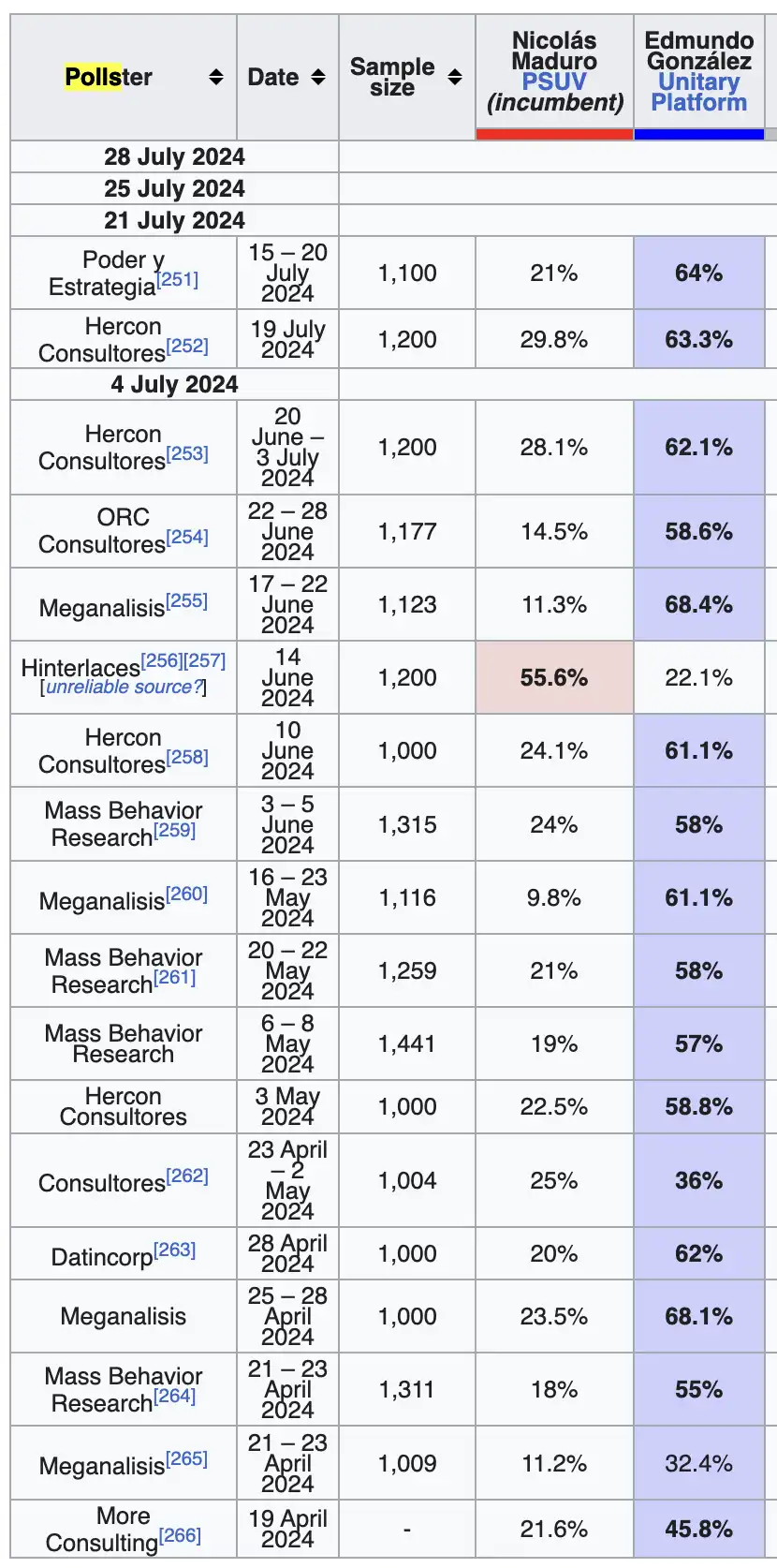
https://en.wikipedia.org/wiki/2024_Venezuelan_presidential_election
Polls have the opposition candidate, Gonzalez, leading by a significant margin. But, futures markets are giving an 70-80% chance that Maduro's National Electoral Council will announce that he is the winner.
Venezuelans living abroad are being prevented from returning to the country to vote.
Half of the 7 million Venezuelans living abroad are not even registered to vote.
Most of the half who are registrered to vote are not registered to vote in the countries where they now live.
So, many Venezuelans are trying to return to the country to vote, but are being prevented from doing so.
Role of Media and Social Platforms
The role of media and social platforms in the 2024 Venezuelan presidential election cannot be understated. Traditional media in Venezuela, largely controlled by the government, has been criticized for biased coverage that favors Maduro. Independent media outlets face censorship, intimidation, and even closure if they publish content critical of the government. This has pushed many Venezuelans to rely on social media platforms for information and communication.
Social media has become a vital tool for the opposition, allowing them to bypass state-controlled media and directly reach voters. Platforms like X are being used to organize rallies, share information, and mobilize supporters. Despite the government's attempts to control the narrative, the widespread use of social media has enabled a more open exchange of information, contributing to a more informed and engaged electorate.
There is a torrent of posts about the election on X. Both sides have had massive rallies to close their campaigns.
Maduro:
González:
Security Measures and Potential for Unrest
Given the high stakes of the upcoming election, security measures have been significantly increased across Venezuela. The government has deployed additional security forces to monitor polling stations and maintain order. However, there are concerns about the potential for these forces to be used to intimidate voters and suppress dissent. Past elections have seen instances of violence and clashes between security forces and protesters, raising fears that similar unrest could occur this year.
The opposition is alleging that Maduro is already engaging in voter suppression by preventing opposition electoral witnesses from entering the voting centers.
The opposition has called for international observers to ensure a fair and transparent election. However, the government's decision to disinvite the European Union observer mission has heightened concerns about the potential for electoral fraud and post-election violence. Both national and international observers are on high alert, ready to document any irregularities or instances of voter suppression.
In anticipation of possible unrest, several international organizations have issued warnings to their citizens in Venezuela, advising them to avoid large gatherings and remain vigilant. The outcome of the election and the government's response to any opposition protests will be critical in determining the immediate future of Venezuela’s political landscape.
Conclusion
As Venezuela approaches this pivotal election, the nation stands at a crossroads with uncertain outcomes. The election could solidify Nicolás Maduro's hold on power, potentially through controversial means, or it could mark the beginning of a new era under Edmundo González Urrutia. The possibility of a prolonged struggle for power, with potential violence or significant international pressure, looms large. The stakes are high not only for the future of Venezuela but also for regional stability and international relations. The world will be closely monitoring the election and its aftermath, hoping for a peaceful resolution that paves the way for recovery and stability in Venezuela.