

Venezuela's oil production has dropped significantly, from 3 million barrels per day to 400,000 barrels per day. This decline is mainly due to mismanagement and corruption in PDVSA, as well as the deterioration of infrastructure due to lack of investment. This situation has affected the daily lives of Venezuelans with shortages of fuel and other petroleum products.
The lack of production has affected the availability of fuel, causing long lines at gas stations for both gasoline and diesel. The situation is exacerbated by low domestic production, which operates at a fraction of its capacity due to lack of investment and maintenance.
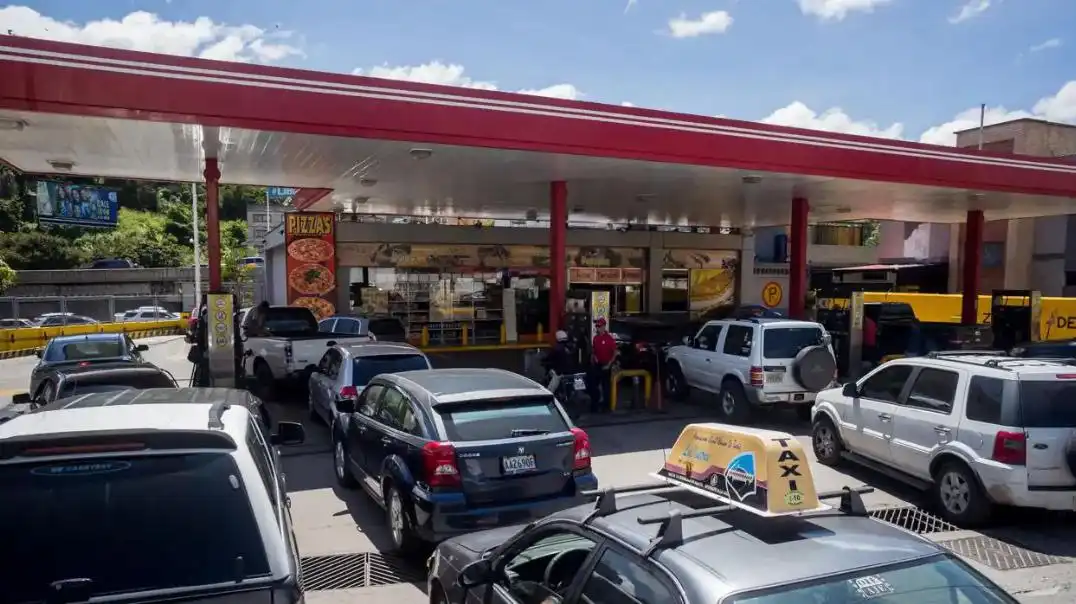
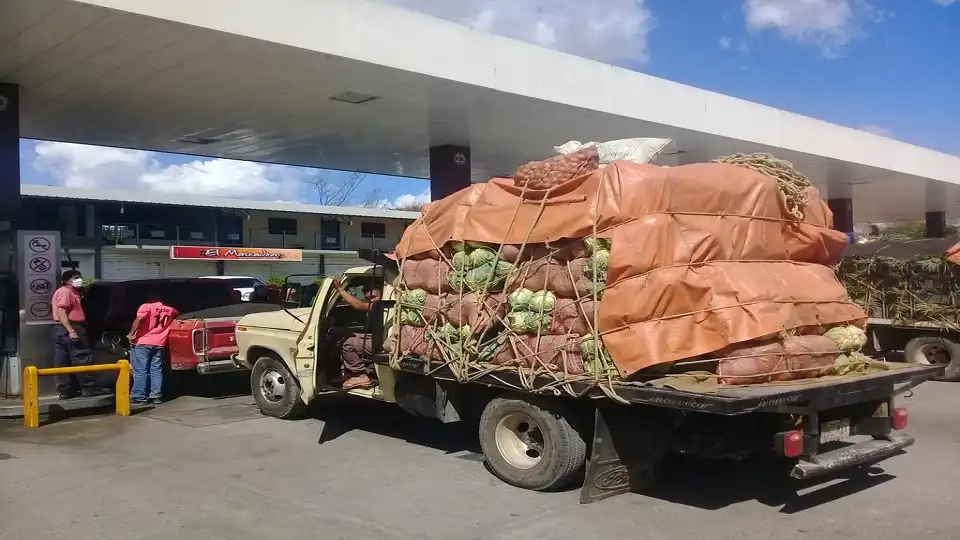
The lack of fuel has limited mobility, affected the transportation of basic commodities, and created shortages. This has led to changes in subsidy policies, with a significant increase in the price of gasoline and diesel.
The crisis has had a brutal impact on the Venezuelan economy and the daily lives of its inhabitants, limiting access to basic resources and deteriorating the quality of life in general, especially in the area of transportation.
Despite the challenges, there are some positive prospects for the Venezuelan petrochemical industry. The government has announced investment plans to revitalize the sector, and some agreements have been signed with international companies.
💡According to PDVSA and the Venezuelan government, production is expected to reach 1 million barrels in 2024. Analysts, however, are more cautious, predicting production of between 850,000 and 900,000 barrels that year.
Venezuela's petrochemical industry is still far from regaining its former glory. The future of the sector will depend on the ability of the government and private companies to work together to overcome the challenges facing the industry.