
who came first to the Americas? asians over the siberian land bridge? polynesians? Chinese?Africans? Europeans? when could their earliest arrivals have been?
The first humans to arrive in the Americas were the Indigenous Peoples through Beringia, the land bridge between Asia and North America, around 21,000 - 16,000 years ago. Polynesians may have arrived in some parts of the Americas around the same time, while Chinese may have arrived several thousand years later. The earliest known European settlers in the Americas were the Norse, who are believed to have arrived in approximately 1000 AD.
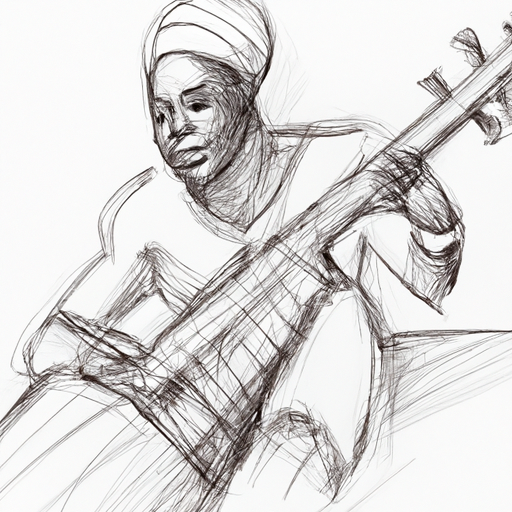
most mainstream historians discount the idea that Africans traveled to the Americas. but, is there evidence they came?
There is evidence that suggests the possibility of Africans travelling to the Americas predating Columbus’ arrival. Some historians have suggested that Africans may have arrived in the Caribbean Islands as early as the 8th century AD, but this has yet to be proven. Additionally, genetic studies of Native American populations indicate that there may have been a genetic contribution from sub-Saharan Africa, suggesting the possibility of African slaves escaping slavery. Further archeological evidence is needed to confirm this possibility.
slavery is recent. how recent does archeology cover?
Archaeology usually covers events in the past up to about the 5th century AD. Slavery is a much more recent phenomenon which does not typically fall within the archaeological timespan. Archaeological evidence of slavery is typically limited to post-Colonial or post-Industrial Revolution eras. Therefore, most archaeological evidence pertaining to slavery typically dates from the 16th century onward, when the trading and enslavement of Africans became more commonplace.
slavery predates writing though doesnt it?
Yes, slavery predates writing. Though writing is a tool that can be used to document and record events, it is not the only way slavery has been documented. Archaeology is often used to find evidence of slavery. This can include artifacts such as ceramics and jewelry, as well as physical evidence of human remains, which can help researchers to understand the lives of enslaved people. By examining the artifacts found at sites, researchers can look at the locations where enslaved people lived and worked, and gain a better understanding of their death, suffering and resistance.
It's interesting how "slavery" in American english often suggests American slavery from around 1500 to 1850. And often, speaking of slavery in general needs to be disambiguated.
Archaeologists studying slavery around the world have discovered sites that range from large plantations to labor camps. Archaeological evidence has been used to understand the social, economic and political conditions that enslaved people lived in. Archaeologists have revealed information about the roles that enslaved people played in their communities, as well as the characteristics of the societies in which they lived. Archaeology is also used to explore the legacy of slavery, which persists in modern society.
Archaeological findings have helped to uncover the stories of the lives of enslaved people, which have been erased due to a lack of written records and documents. By examining artifacts found at sites, archaeologists can uncover information on subsistence practices and the varieties of crops grown, as well as diets and health, labor practices and even death rituals. Other archaeological evidence can shed light on the lengths slaves had to go to in order to survive, and can provide an understanding of how slavery dehumanized people. Finally, archaeological evidence can help to uncover how enslaved people resisted, and how individuals and communities experienced the impacts of enslavement.
Overall, the evidence provided by archaeological findings has played an important role in understanding the legacy of slavery and in educating people on the history of enslavement. Archaeology is an invaluable source of knowledge and can help us to better understand the lives of enslaved people and their struggles.