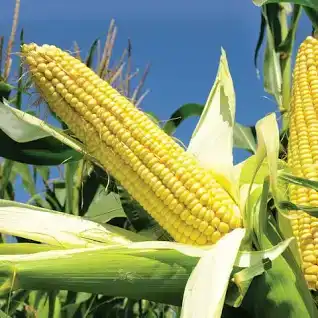

Basic history
The earliest evidence of corn cultivation can be found in the Tehuacan Valley in Mexico, where archaeologists have discovered ancient corn cobs and kernels dating back to 7,000 BC. These early forms of corn were small and had a variety of colors, including yellow, red, and blue. They were primarily used as a source of food and were an important staple in the diets of Mesoamerican civilizations such as the Aztecs, Maya, and Olmecs.
The domestication of corn is believed to have occurred through a process of selective breeding, where early farmers would have chosen and planted seeds from the most desirable plants, resulting in the gradual development of larger and more uniform corn varieties. This process is thought to have taken place over thousands of years, with corn becoming an essential crop in the region by around 3,000 BC.
One of the most controversial aspects of corn's ancestry is the question of its wild ancestor. While many believe that teosinte, a wild grass native to Mexico, is the closest relative of corn, others argue that there is not enough genetic evidence to support this claim. Some scientists have proposed that a now-extinct wild ancestor, known as Tripsacum, may have been the true progenitor of corn.
Another theory surrounding corn's ancestry is that it is a result of natural hybridization between different wild grasses. This theory is supported by genetic evidence that shows similarities between corn and other grass species, such as sorghum and sugarcane. However, this theory is also met with skepticism, as there is no clear evidence of these grasses growing in the same regions as early corn cultivation.
The controversy surrounding corn's ancestry has also been fueled by the involvement of the biotechnology industry. In the 1990s, a team of scientists from the University of California, Berkeley, claimed to have genetically engineered a strain of corn that could produce its own insecticide. This led to concerns about the safety and ethical implications of genetically modified crops, with some critics arguing that this was a manipulation of nature and a threat to the purity of corn's genetic makeup.
Today, corn continues to be a highly debated and controversial crop. The rise of industrial agriculture and the use of genetically modified corn have raised concerns about the impact on the environment and human health. Additionally, the cultural and economic significance of corn in Mesoamerican societies has also been a source of controversy, with some arguing that its commercialization and mass production have led to the exploitation of indigenous communities.
In conclusion, the history of corn's ancestry is a complex and contentious one, with various theories and debates surrounding its origins. While its domestication and cultivation have played a significant role in shaping human societies, the controversy surrounding its ancestry serves as a reminder of the importance of understanding and respecting the natural world and its resources.
Nixtamalization and Pellagra
Nixtamalization is a traditional process used to prepare corn for consumption in many Latin American cultures. It involves soaking dried corn kernels in an alkaline solution, usually made from calcium hydroxide or wood ash, for several hours. This process softens the corn and makes it easier to grind into masa, a dough used to make tortillas, tamales, and other dishes. Nixtamalization also increases the nutritional value of corn by making essential nutrients like niacin and amino acids more available for absorption. This ancient technique has been used for centuries and is still widely practiced today.
Pellagra is a nutritional deficiency disease caused by a lack of niacin (vitamin B3) in the diet. It was first identified in the 18th century and was prevalent in populations that relied heavily on corn as a staple food, as the niacin in corn is not easily absorbed by the body. Symptoms of pellagra include skin rashes, digestive issues, and mental confusion. In severe cases, it can lead to death. The discovery of nixtamalization helped reduce the incidence of pellagra in regions where corn was a dietary staple, as it made the niacin more available for absorption. Today, pellagra is rare in developed countries, but it still affects populations in developing countries with limited access to a diverse and balanced diet.