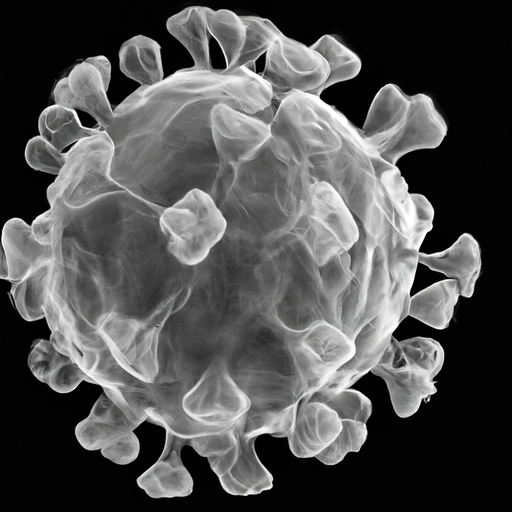

Microbiology is the study of microscopic organisms including fungi, bacteria, viruses, and protozoa.
(Images generated by AI)
Fungi
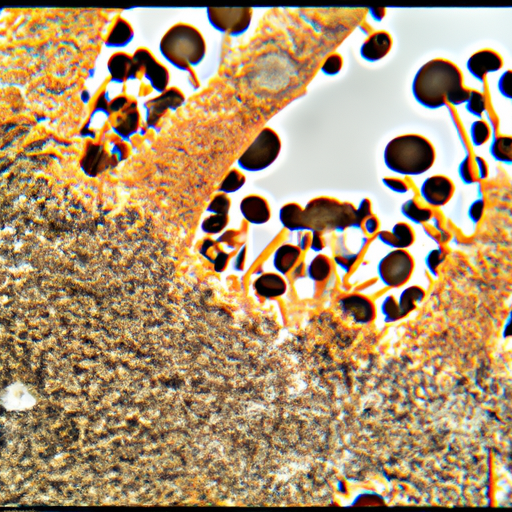
Fungi are eukaryotic organisms that can be found in soil, air, water, and living organisms. They can cause various diseases in humans and animals.
Eukaryotic versus Prokaryotic
Eukaryotic cells are more complex than prokaryotic cells. Eukaryotic cells contain a nucleus and other membrane-bound organelles, while prokaryotic cells lack a nucleus and other membrane-bound organelles. Eukaryotic cells also have a much larger genome size than prokaryotic cells. Additionally, eukaryotic cells have the ability to specialize and differentiate, while prokaryotic cells lack this ability.
Karyotic is a term used to refer to both eukaryotic and prokaryotic organisms. The term is derived from the Greek word "karyon," which means "nut" or "kernel." It is used to describe the nucleus of a cell, which is the organelle containing the genetic material.
Bacteria
Bacteria are single-celled prokaryotic organisms that can be found in soil, water, and living organisms. They can cause a variety of diseases, including cholera, dysentery, and typhoid.
Viruses
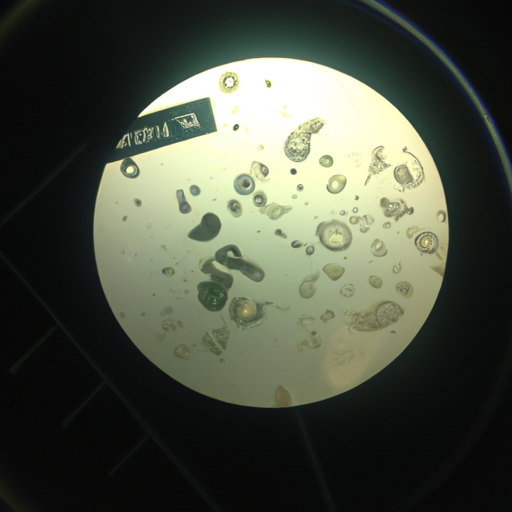
Viruses are microscopic infectious agents that can cause a variety of diseases, including the common cold and influenza. Immunity is the body’s ability to recognize and fight off foreign invaders such as viruses and bacteria. It is made up of cells, tissues, and organs that work together to protect the body from infection.