tell me all about the second president of the USA
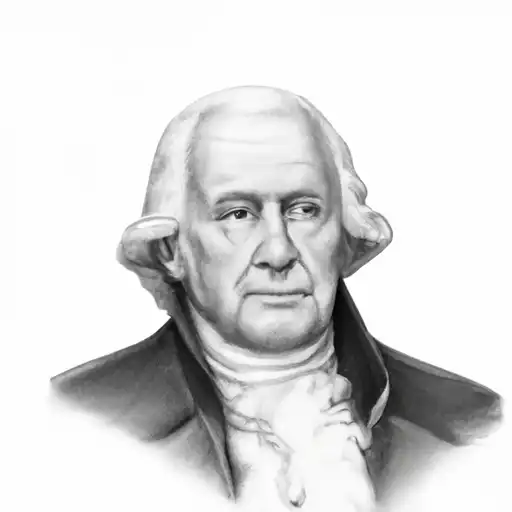
The second President of the United States was John Adams. He was born on October 30, 1735 in Braintree, Massachusetts. Adams was a Harvard-educated lawyer and political theorist who played a major role in the American Revolution. After the Revolution, he served as the first Vice President of the United States under George Washington. He was then elected President in 1796 and served one term, from 1797 to 1801.
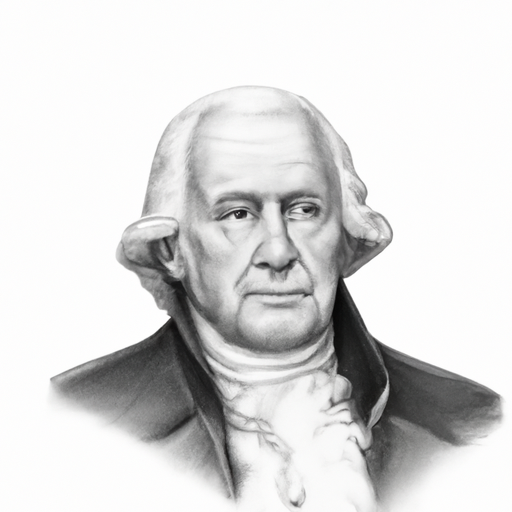
Adams was a strong proponent of the Constitution and a Federalist. He was a leader in the passage of the Alien and Sedition Acts and the establishment of the first Navy. He was also an advocate for religious freedom and a strong supporter of the Bill of Rights.
Adams was a dedicated public servant, but he was not a successful President. He failed to reconcile the Federalists and the Democratic-Republicans, and he was defeated in the 1800 election by Thomas Jefferson. Adams was the first President to live in the White House, and he was the first President to have his son, John Quincy Adams, become President.
The Alien and Sedition Acts
The Alien and Sedition Acts were a series of four laws passed by the U.S. Congress in 1798. The laws were designed to restrict immigration and limit the rights of immigrants. They also made it illegal to publish or utter false, scandalous, or malicious statements about the government or its officials. The laws were widely criticized by many, including Thomas Jefferson and James Madison, who argued that they violated the First Amendment. The laws expired in 1801 and were never enforced.
This seems like a big contradiction:
Adams was a strong proponent of the Constitution and a Federalist. He was a leader in the passage of the Alien and Sedition Acts and the establishment of the first Navy.
The contradiction here is that Adams was a strong proponent of the Constitution, which is a document that is meant to protect people's rights and freedoms, yet he was a leader in the passage of the Alien and Sedition Acts, which restricted people's rights and freedoms.