give us a complete overview of the history of Venezuela
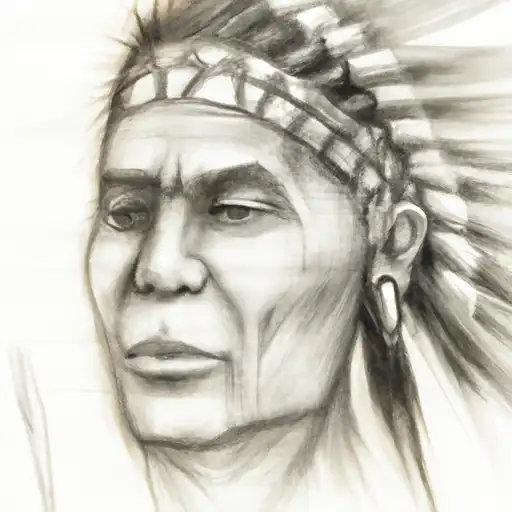
Venezuela has a long and complex history that dates back centuries. The first inhabitants of the area were the indigenous Carib, Arawak, and Chibcha tribes, who were present in the region prior to the arrival of Spanish explorers in the 16th century.
The Spanish conquistador, Gonzalo Jimenez de Quesada, led an expedition into the Venezuelan interior in 1536 and founded the city of Santa Ana de Coro, which became the first Spanish settlement in the country. Over the next century, Spanish colonists established settlements throughout the region, and the area was eventually incorporated into the Spanish Empire.
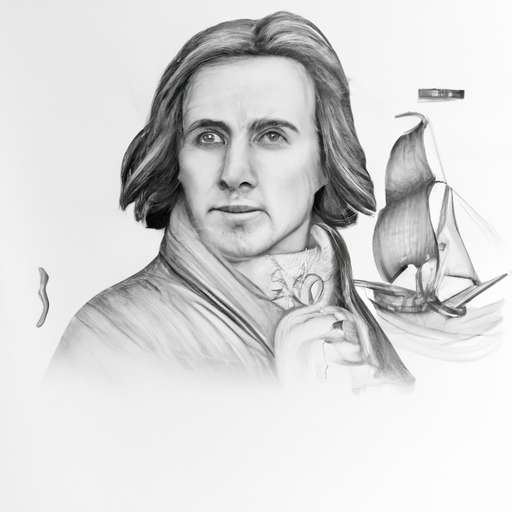
In 1811, Venezuelans declared their independence from Spain and formed a new republic, which was recognized by the Spanish crown in 1821. The newly independent nation was ruled by a series of military dictatorships until the late 19th century, when a period of civilian rule began.
In the early 20th century, Venezuela experienced a period of political instability and economic decline, leading to a military coup in 1948. The new government, led by General Marcos Perez Jimenez, instituted a period of authoritarian rule that lasted until 1958.
GPT seems to contradict itself here. Should double check some of these statements (even more than usual 🤣)
In 1958, a democratic government was elected, led by Romulo Betancourt. This new government implemented a series of economic and social reforms, including nationalization of the oil industry and land reform.
The democratic government was overthrown in a military coup in 1992, and a new government led by Hugo Chavez was elected in 1998. Chavez implemented a number of socialist policies, including nationalization of the oil industry, land reform, and social welfare programs.
In 2013, Nicolas Maduro was elected president, and he has continued Chavez's policies. In recent years, Venezuela has experienced an economic crisis, with high inflation, shortages of basic goods, and an increase in crime.
Oil in Venezuela
Oil was not nationalized in Venezuela until 1975, when the government of Carlos Andrés Pérez nationalized the oil industry.
Declaration of Independence from Spain
Venezuela declared its independence from Spain on July 5, 1811. This declaration was made during a meeting of the Venezuelan Congress in Caracas. The declaration was drafted by Cristobal Mendoza and was read aloud by the president of the Congress, Francisco de Miranda. The declaration declared that all Venezuelans were free from Spanish rule and that the country was now an independent nation.
The declaration also called for the formation of a new government, based on the principles of liberty and equality. It also established a set of laws and regulations to govern the new nation.
The declaration was supported by the majority of Venezuelans and was a major step towards the eventual liberation of the entire country from Spanish rule. In the following years, Venezuela would go on to fight a long and arduous war for independence, eventually winning its freedom in 1821.
Since then, the declaration of independence has been celebrated as a national holiday in Venezuela every year on July 5th. It is a day of reflection and celebration of the country's freedom and independence.
Simon Bolivar
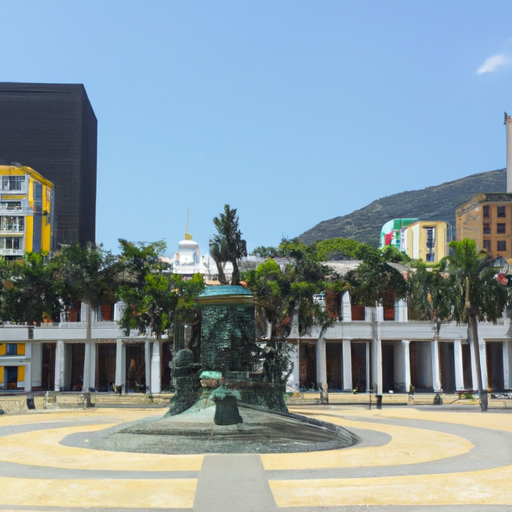
Simon Bolivar is one of the most important figures in Venezuelan history. He was a Venezuelan military and political leader who led the struggle for independence from Spanish colonial rule in the early 19th century. Bolivar is known as the "Liberator" of much of South America, and is credited with leading the successful struggle for independence in what are now Venezuela, Colombia, Panama, Ecuador, Peru, and Bolivia. He was also instrumental in the formation of Gran Colombia, a short-lived union of these countries. Bolivar's legacy is still celebrated in Venezuela, and his statue stands in Caracas' Bolivar Square.