History of motorcycles
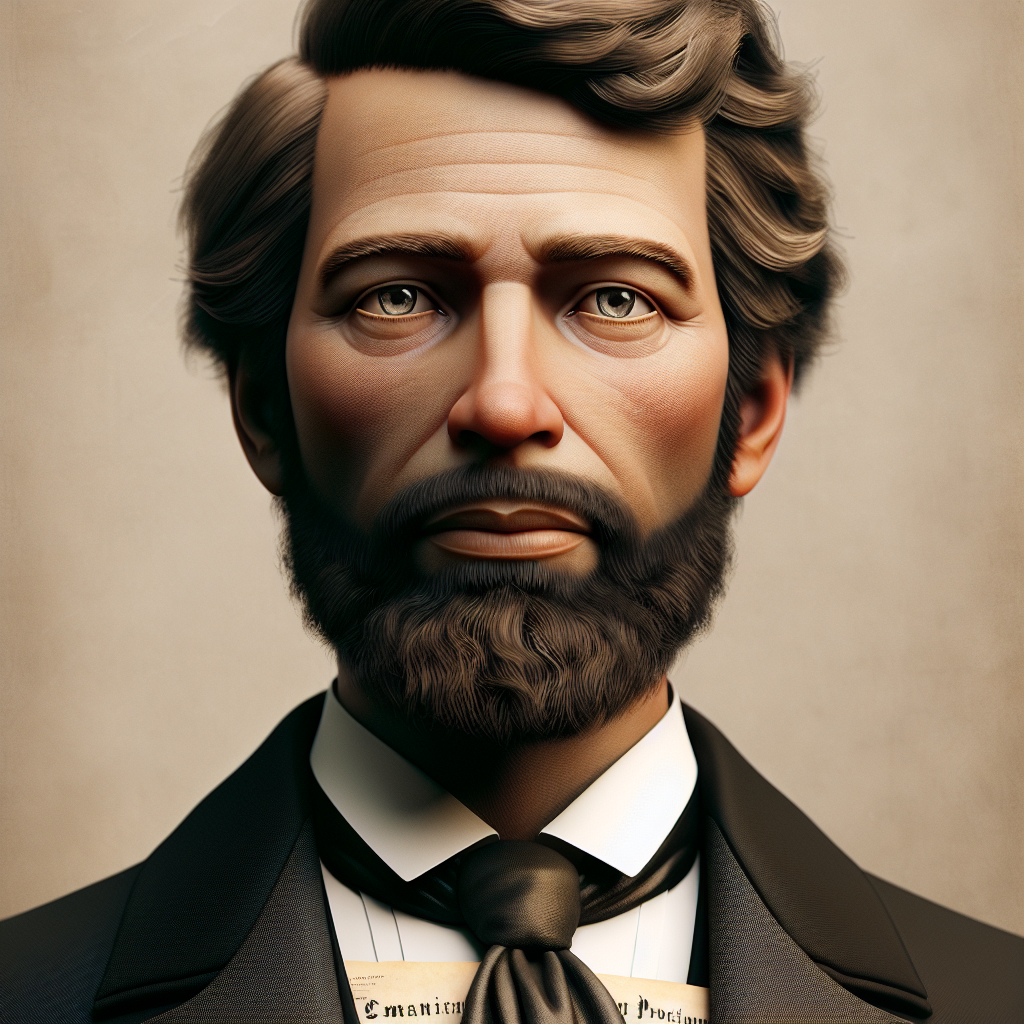
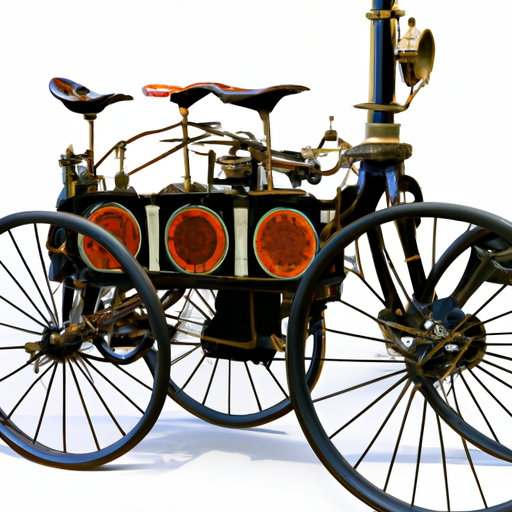
Motorcycles have been around since the late 19th century. The first successful design was created by German inventor Gottlieb Daimler in 1885. This two-wheeled vehicle was powered by an internal combustion engine.
In the early 1900s, motorcycles became popular for personal transportation, particularly in Europe and the United States. Motorcycles were used for both recreation and transportation. During World War I, motorcycles were used for military purposes.
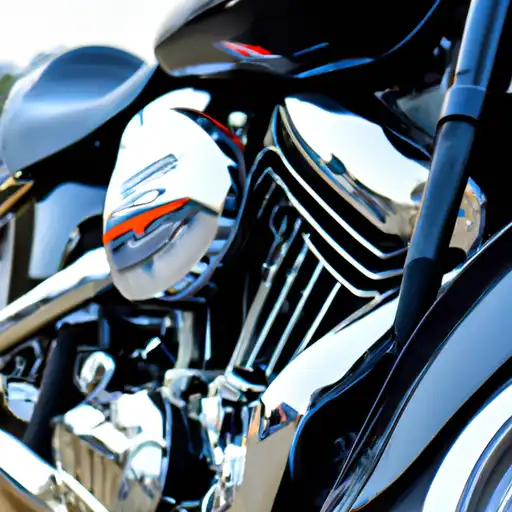
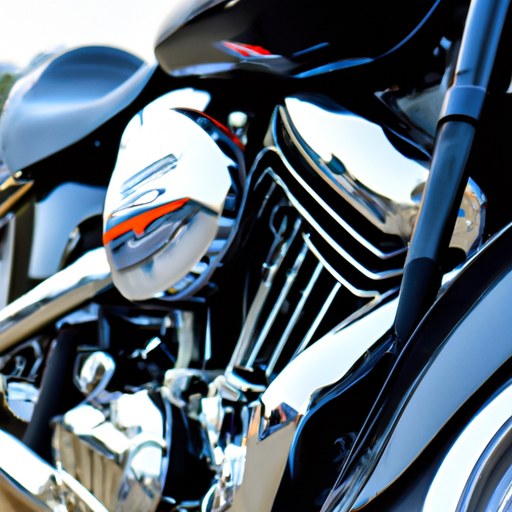
In the 1920s, Harley-Davidson and Indian Motorcycle Company began to dominate the motorcycle market. These two companies produced motorcycles with large V-twin engines, which became popular with riders.
In the 1930s, the first sport bikes were developed. These bikes featured streamlined bodies and powerful engines.
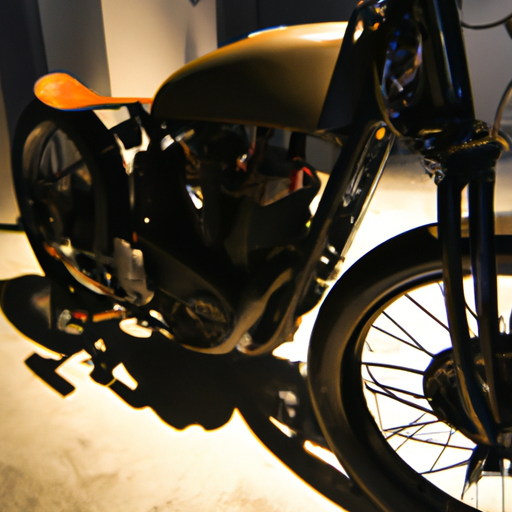
During World War II, motorcycles were used extensively for military purposes. After the war, Japanese motorcycle companies such as Honda, Yamaha, and Suzuki began to dominate the market.
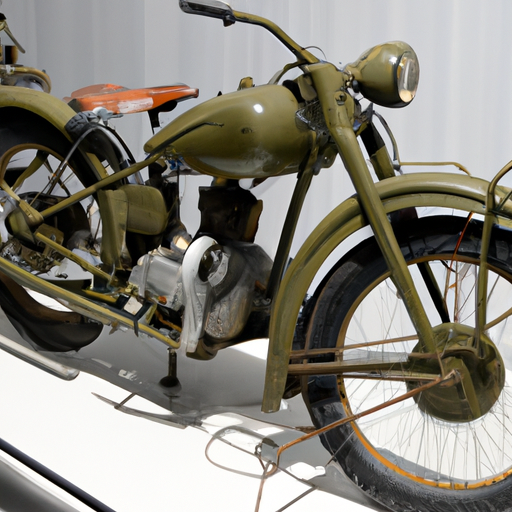
In the 1950s, the first café racers were developed. These bikes featured powerful engines, lightweight frames, and low handlebars.
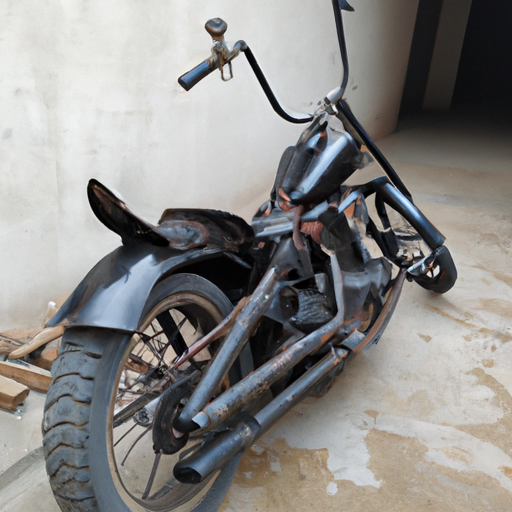
In the 1960s, the chopper style of motorcycle was developed. These bikes featured long forks and extended handlebars.
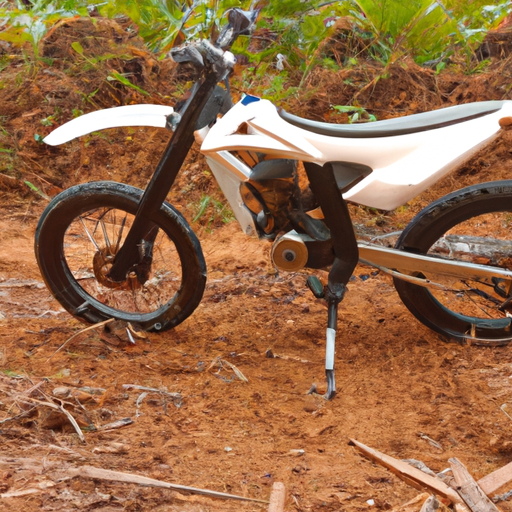
In the 1970s, the first dirt bikes were developed. These bikes featured lightweight frames, long suspension travel, and knobby tires.
In the 1980s, the first sport touring motorcycles were developed. These bikes featured large engines, comfortable seating, and storage compartments.
Today, motorcycles are used for both recreation and transportation. There are many different types of motorcycles, including sport bikes, cruisers, touring bikes, and dirt bikes.