the history of flight, leading up to the first airplane
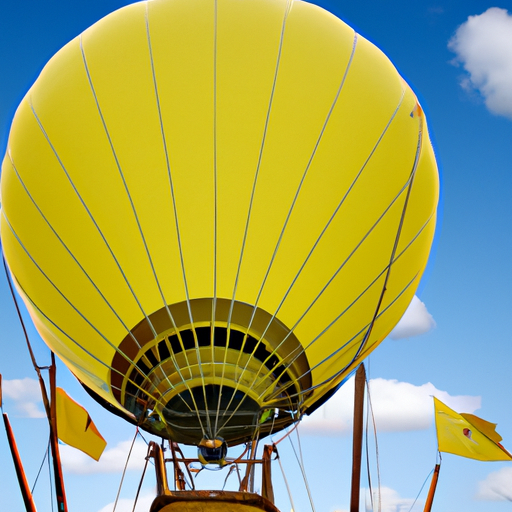
The history of flight dates back centuries, with the earliest attempts at flight occurring in China during the Han Dynasty. During this period, people attempted to fly using kites, hot air balloons, and other devices.

The first successful flight of a heavier-than-air craft was made in 1783 by the Montgolfier brothers in France.
?
A heavier-than-air craft is an aircraft that is heavier than the air it displaces. This includes all types of powered aircraft such as airplanes, helicopters, blimps, and dirigibles.
In the 19th century, the Wright brothers made the first powered flight in an airplane. They conducted a series of experiments with gliders and powered aircraft, culminating in the first successful powered flight by the Wright Flyer in 1903. This was the first time a human had flown in a heavier-than-air craft, and it marked the beginning of the modern era of aviation.
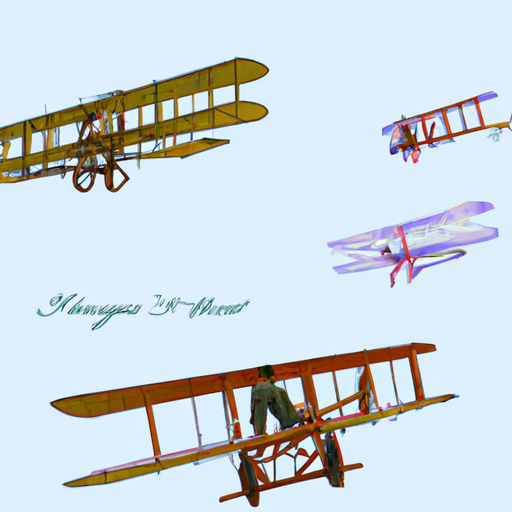
The Wright brothers continued to improve the design of their aircraft, and in 1909 they demonstrated the first practical airplane. This was the first aircraft to feature ailerons, which allowed for more precise control of the aircraft. The success of the Wright Flyer led to the development of a wide variety of aircraft, including military aircraft, commercial aircraft, and even spacecraft.
Today, airplanes are used for a variety of purposes, from transporting people and goods to leisure activities and military operations. The development of the airplane has been an important part of the history of human flight, and it has enabled us to explore the world and travel to distant places.
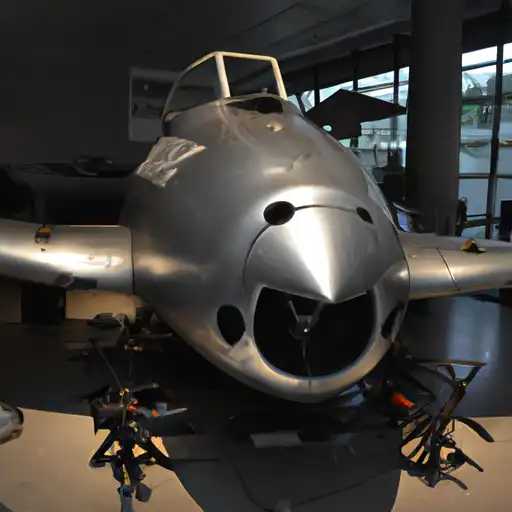
the first jet
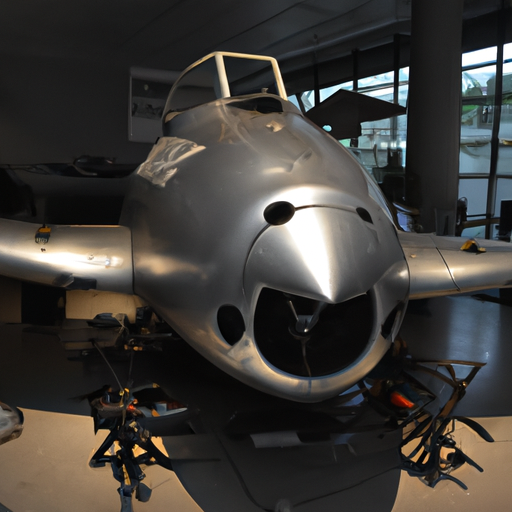
The first jet was the German Heinkel He 178, which was flown on August 27, 1939 by test pilot Erich Warsitz. It was the world's first turbojet-powered aircraft, powered by a Heinkel HeS 3 turbojet engine. The He 178 was a single-seat, single-engine aircraft designed by Ernst Heinkel. It had a wingspan of 8.53 m (28 ft 0 in) and a length of 8.25 m (27 ft 1 in). It was capable of reaching a maximum speed of 540 km/h (336 mph).
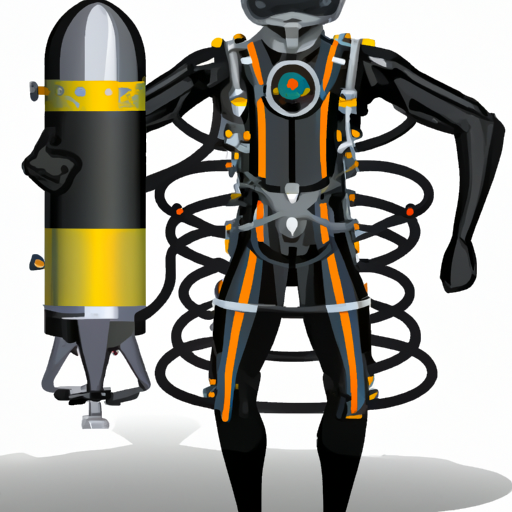
The first jetpack
The first jetpack was invented by American inventor, Glenn Curtis, in 1906. The jetpack was designed to be a personal flying machine and was powered by a single-cylinder, four-stroke engine. The engine was capable of producing up to 8 horsepower and was capable of propelling the jetpack to an altitude of up to 200 feet. Unfortunately, the jetpack was too heavy and cumbersome to be of any practical use and was never put into production.