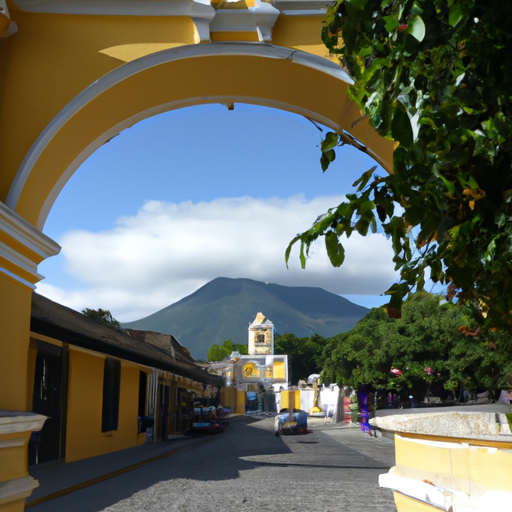

The history of Antigua Guatemala dates back to 1543 when the Spanish conquistadors founded the city as Santiago de los Caballeros. The city served as the capital of the Kingdom of Guatemala for more than 200 years and was known for its grand colonial architecture, which still stands today.
In 1773, a major earthquake destroyed much of the city, leading to its decline and eventual abandonment. The ruins of the city were declared a UNESCO World Heritage Site in 1979.
In the late 19th century, Antigua Guatemala experienced a revival as a tourist destination. The city was declared the capital of the Central American Republic in 1821 and served as the capital of Guatemala until 1839, when the capital was moved to Guatemala City.
In the early 20th century, Antigua Guatemala was a popular destination for expatriates, artists, and intellectuals. The city was home to the first university in Central America, the Universidad de San Carlos, which was established in 1676.
Today, Antigua Guatemala is a popular tourist destination and is known for its colonial architecture, its cobblestone streets, and its vibrant culture. The city is also home to numerous festivals, including the Festival de la Candelaria, the Festival de San Sebastián, and the Festival de la Virgen de Guadalupe.