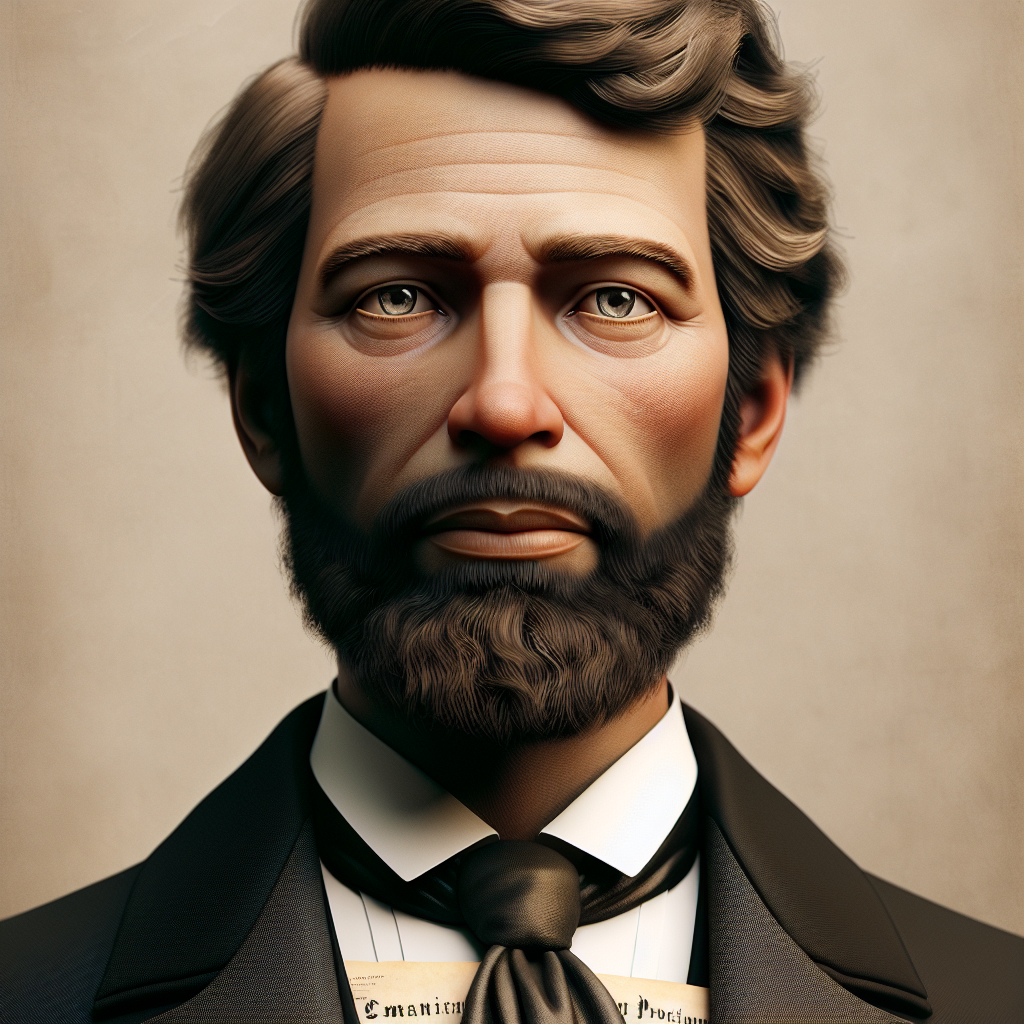
daily life in pre-Columbian Amazon
Daily life for pre-Columbian Amazon tribes varied greatly depending on the location and period. Generally, the tribes lived in small, semi-permanent settlements, usually located along rivers. Men were responsible for hunting and fishing, while women were responsible for gathering, processing and preparing food, and caring for the children. The tribes also engaged in trade with other tribes, exchanging products such as food, tools, and weapons.
Most tribes practiced some form of animism, believing that spirits inhabited the plants and animals of the forest. They also believed in the power of shamans, who were believed to have the ability to communicate with spirits and cure the sick. Rituals and ceremonies were an important part of life, and many tribes participated in festivals and other communal activities.
Most of the tribes had a strong sense of community and worked together to ensure the survival of their group. They also had a strong sense of respect for the environment, believing that the forest was a living entity that should be respected and protected.
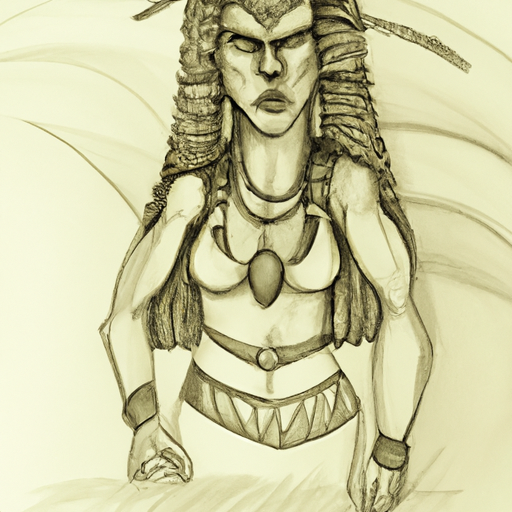
Amazon tribes
- Sentinelese
- Tsohom Djapá
- Kawahiva
- Mashco-Piro
- Yanomami
- Akuntsu
- Korubo
- Piripkura
- Kanoê
- Uncontacted Amazon Tribes
legends of lost cities in the amazon
The Lost City of Z: This legendary city is said to have been founded by a group of Spanish conquistadors in the 16th century and has been sought after by explorers ever since.
El Dorado: This legendary city, often referred to as the City of Gold, is said to have been located somewhere in the Amazon rainforest and hidden by the indigenous people.
The City of the Monkey God: This mythical city is said to have been built by a race of monkey-like creatures who lived in harmony with nature.
The Lost City of the Incas: This legendary city is said to have been built by the Inca Empire and lost to time after their fall.
The City of the Caesars: This legendary city is said to have been built by the Caesars of the Roman Empire and hidden deep in the Amazon rainforest.
Shamanism is the belief that shamans, or spiritual healers, can use their relationship with the spirit world to heal physical, mental, and spiritual ailments. Shamanism has been practiced in the pre-Columbian Amazon region for thousands of years. Shamans are believed to be intermediaries between the human and spirit worlds, and they use their powers to heal, protect, and guide their communities.
Shamanism in the pre-Columbian Amazon region was closely tied to the spiritual beliefs of the people. Shamans were believed to be able to communicate with the spirit world, and they used their powers to heal, protect, and guide their communities. Shamans would use various techniques such as chanting, drumming, and dancing to gain access to the spirit world and to communicate with the spirits. They would also use plants and herbs to heal physical and mental ailments.
The practice of shamanism in the pre-Columbian Amazon region has been passed down through generations, and today the shamans continue to practice their craft. They are respected and revered by their communities, and their services are sought after by those looking for healing and guidance.

paragraph describing new york in the style of Ginsberg.
New York is a vibrant and chaotic city, alive with the energy of its inhabitants. It is a city of contrasts, of the old and the new, of the rich and the poor, of the dark and the light. Its streets are a cacophony of sound and smell, of the hustle and bustle of life. It is a place of dreams, of ambition, of possibility, of hope. It is a place of beauty, of art, of music, of culture. It is a place of contradiction, of the sublime and the absurd, of the sacred and the profane, of dreams and of nightmares, of beauty and of ugliness, of life and of death.