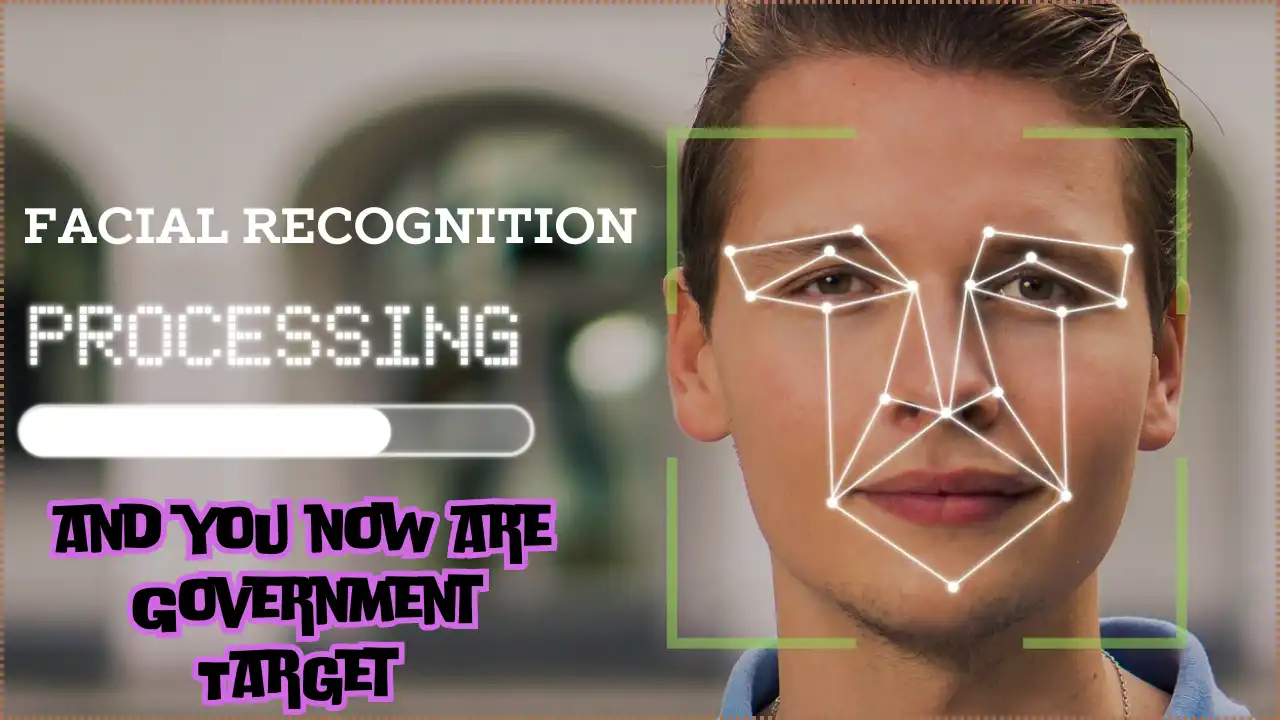

Facial recognition technology, once hailed as a tool for enhancing security and catching criminals, has now become a double-edged sword in the realm of protests and civil demonstrations. As governments worldwide increasingly deploy facial recognition systems, concerns over the abuse of this technology to suppress dissent and target peaceful protesters have reached alarming levels.
With a staggering 78 countries now utilizing public facial recognition systems, the ubiquity of this technology is undeniable. While its proponents argue for its efficacy in law enforcement and public safety, the reality is that facial recognition has extended its reach far beyond its intended purpose, encroaching upon the fundamental rights of individuals to assemble and protest freely.
One of the most troubling aspects of facial recognition technology is its use as a tool to identify and target protesters. Instead of solely focusing on capturing criminals, authorities have weaponized facial recognition to surveil and intimidate individuals exercising their democratic right to protest. This has fundamentally altered the dynamics of mass demonstrations, instilling a climate of fear and suspicion among protesters.
The proliferation of facial recognition technology has coincided with the enactment of more restrictive protest laws, creating a chilling effect on dissent and free expression. The mere presence of facial recognition systems at protests serves as a deterrent, dissuading individuals from participating in demonstrations out of fear of reprisal or unwarranted surveillance.
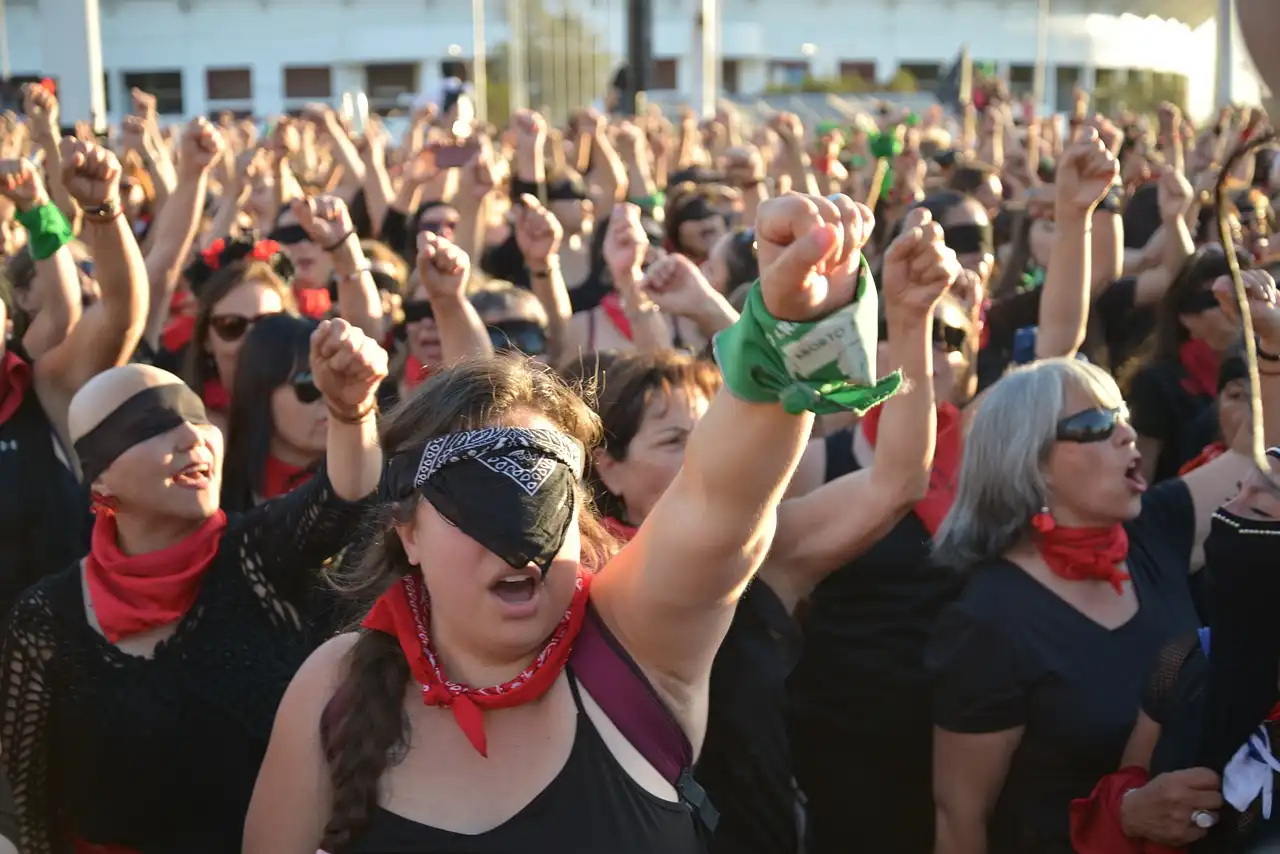
In response to the invasive use of facial recognition, protesters have resorted to innovative countermeasures to protect their identities. From donning masks and scarves to employing dazzle makeup techniques, individuals are actively seeking ways to evade detection and preserve their anonymity in the face of pervasive surveillance.
One of the most troubling aspects of facial recognition deployment in protests is the lack of transparency and accountability surrounding its usage. Authorities often fail to disclose their use of facial recognition technology, leaving protesters in the dark about the extent of surveillance and the potential consequences of their participation in demonstrations.
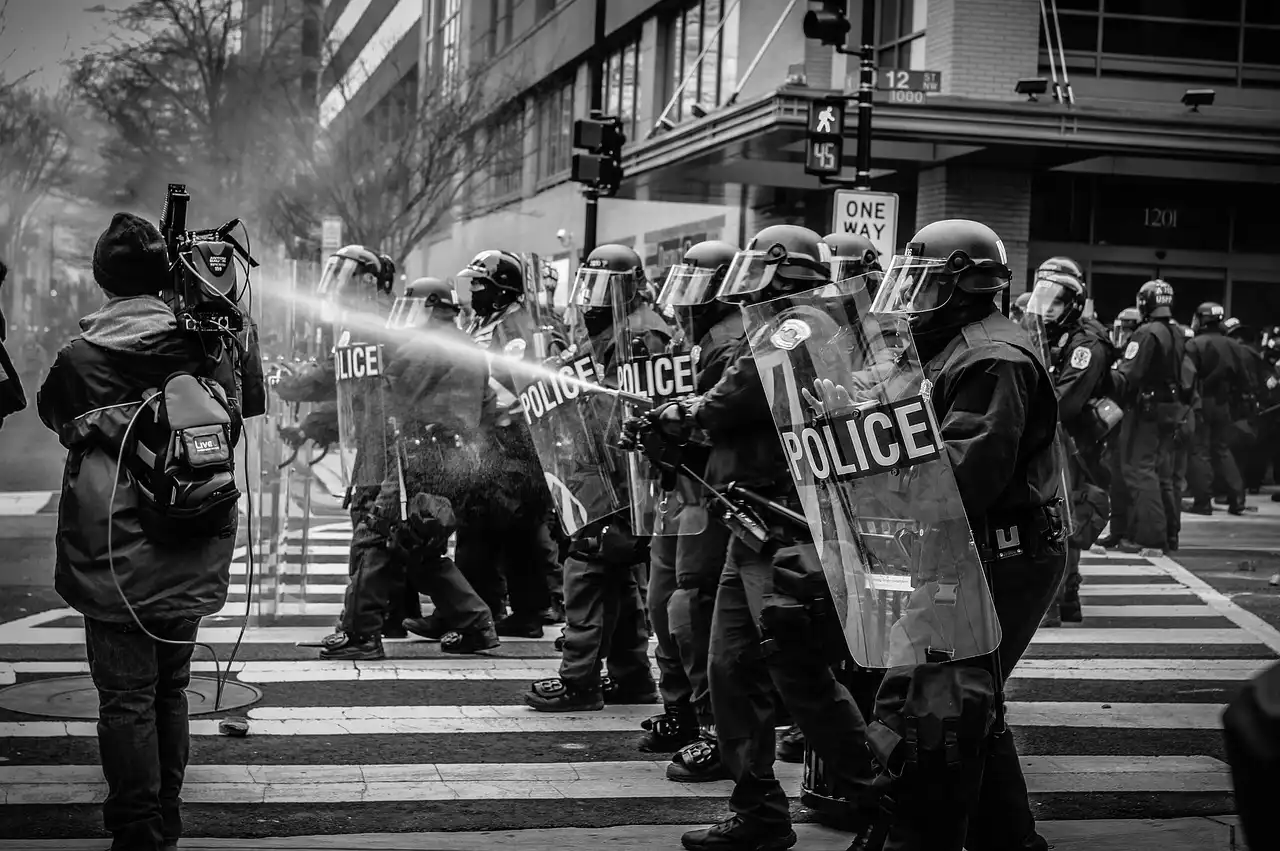
To conclude, the indiscriminate use of facial recognition technology in protests poses a grave threat to civil liberties and democratic principles. By enabling mass surveillance and identification of protesters, authorities are effectively eroding the right to dissent and stifling freedom of expression.
It is imperative that governments and law enforcement agencies exercise restraint and adhere to strict regulations to prevent the misuse of facial recognition technology and safeguard the rights of individuals to peacefully assemble and protest.
Remember:
CONTENT IS KING!
Support this blog to incentivize my daily writings and to keep pace with all happenings in crypto: share, comment, tip ; after all, creators depend on sponsors donations to succeed.