
Thu, Nov 23
From Pilgrims to Presidents: The Evolution of Thanksgiving
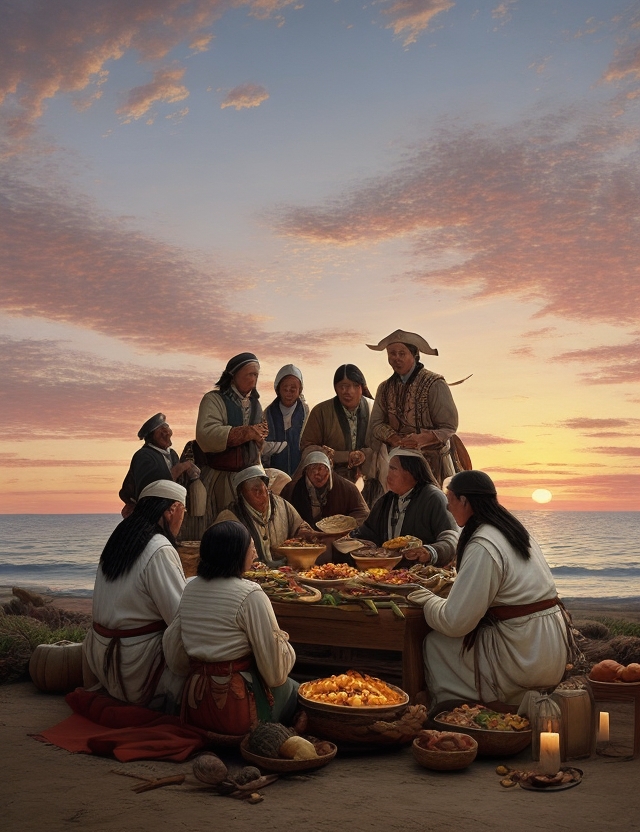
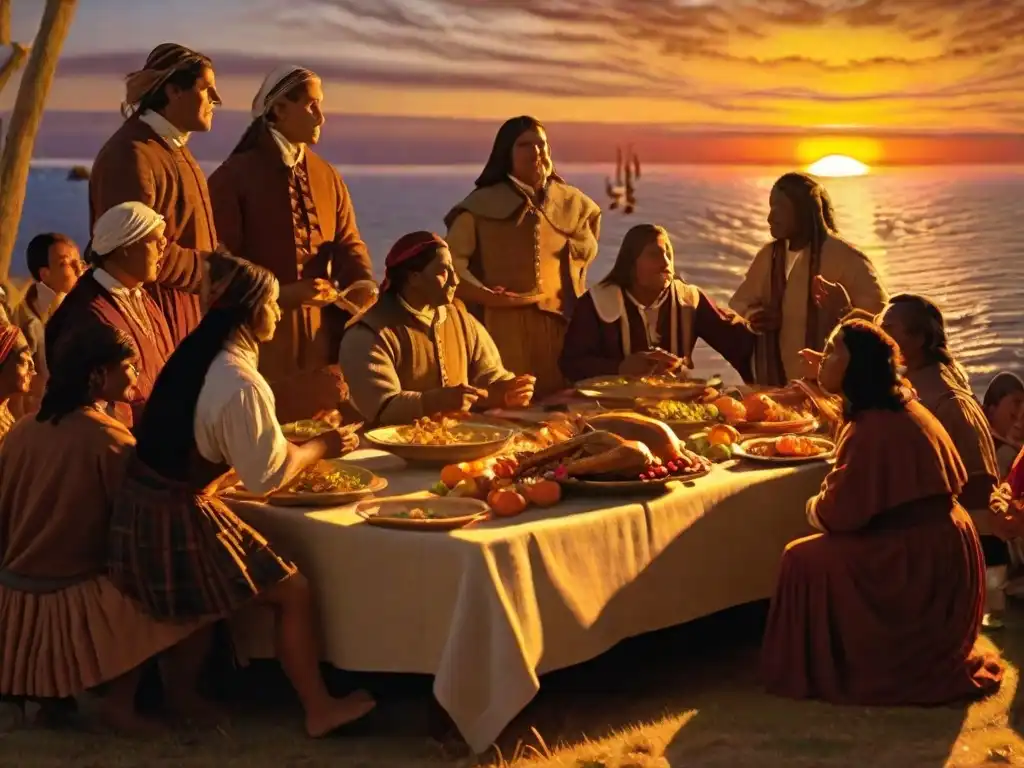
Thanksgiving has its roots in the tradition of giving thanks for successful harvests, with its most well-known story dating back to the 17th century when a group of colonists known as Pilgrims arrived in North America aboard the Mayflower.
In 1620, fleeing religious persecution in England, the Pilgrims landed on the Massachusetts coast. Facing a harsh winter with diseases and food shortages, they suffered significant losses. With the help of Native Americans, particularly the Wampanoag tribe, the colonists learned local agricultural techniques and harvested a successful crop in the fall of 1621.
In a gesture of gratitude, the Pilgrims and Native Americans held a three-day feast to celebrate the abundant harvest, often considered the first Thanksgiving. During the feast, people shared foods such as turkeys, fish, fruits, and vegetables.
Turkey and Pumpkins: Icons of Thanksgiving Tradition
Turkey became the Thanksgiving centerpiece due to the tradition established by the Pilgrim colonists, who, during the first Thanksgiving in 1621, shared a festive meal with Native Americans featuring wild birds, including turkeys. Since then, turkey has become an emblematic part of the holiday menu, symbolizing tradition and abundance.
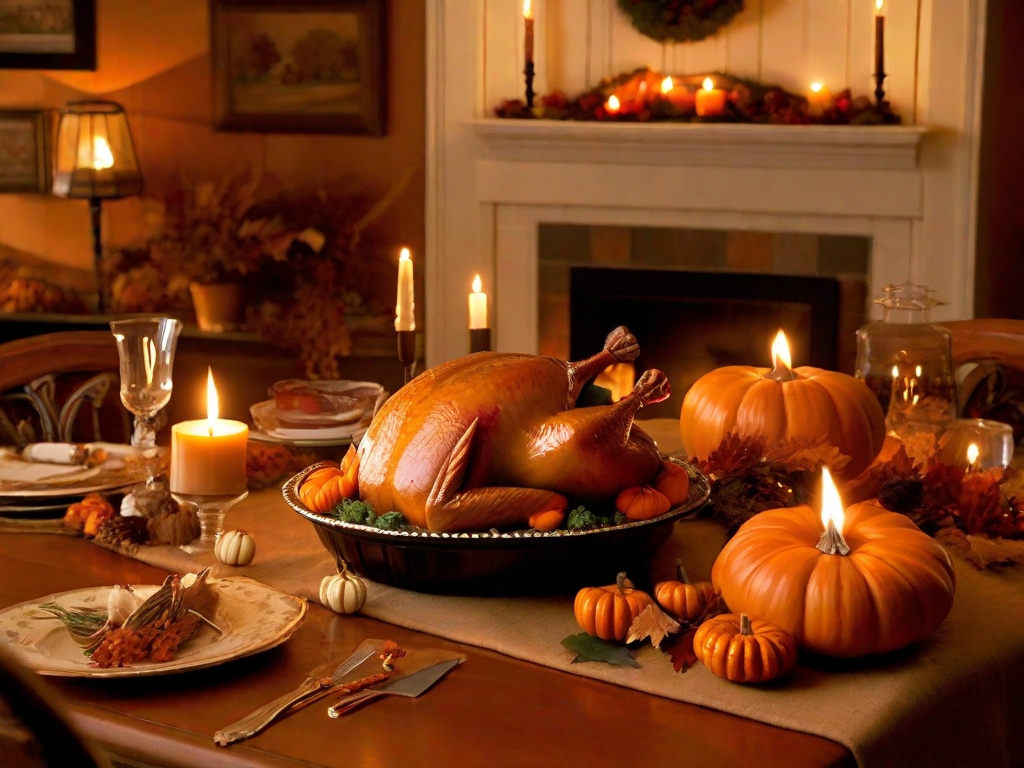
As for pumpkins, they are associated with autumn and the harvest. Harvested during this season, pumpkins are frequently used in various traditional Thanksgiving recipes, such as pumpkin pie. Decorating with pumpkins, often carved into lanterns known as "jack-o'-lanterns," is also linked to Halloween celebrations, which occur around Thanksgiving.
Both elements, turkey and pumpkin, have become traditional symbols of Thanksgiving, representing the generosity of the harvest, unity between colonists and Native Americans, and gratitude for blessings received. The culinary and decorative tradition is deeply rooted in the holiday's history and remains a significant part of modern celebrations.
Modern Feasts and Ancient Roots: Thanksgiving Today
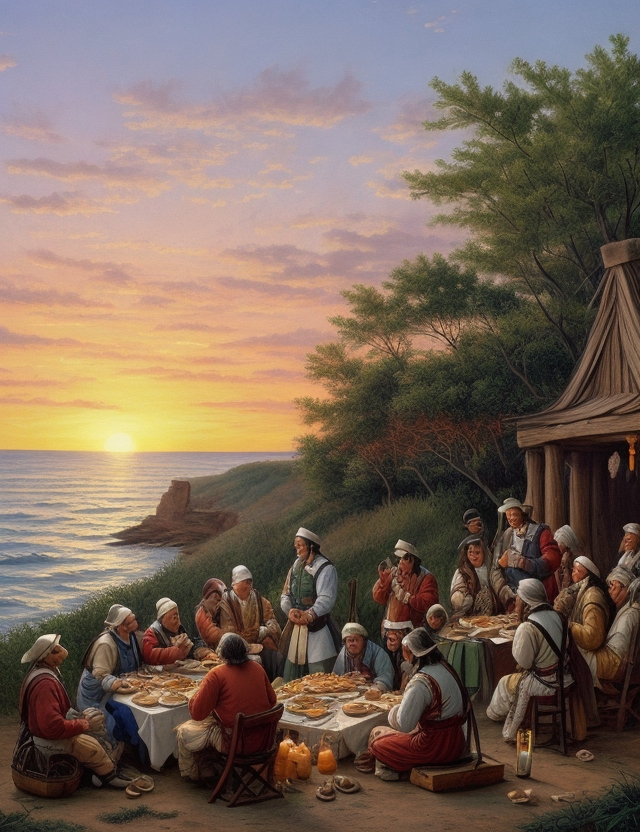
In the following years, Thanksgiving became a traditional event but was not officially declared a national holiday in the United States until 1863 when President Abraham Lincoln proclaimed Thanksgiving Day to unite the country during the Civil War.
Today, Thanksgiving is celebrated on the fourth Thursday of November in the United States. People gather for family feasts, express gratitude for the year's blessings, and often attend parades and sports events. The typical centerpiece of the Thanksgiving dinner is turkey, and tables are adorned with a variety of traditional sides like cranberry sauce, mashed potatoes, and pumpkin pie.
Thanksgiving is significant as a celebration centered on gratitude and expressing appreciation for blessings received throughout the year. Moreover, it holds historical significance linked to the unity between European colonists and Native Americans, symbolizing cooperation and sharing in challenging times.
Beyond Borders: Thanksgiving Around the World
While Thanksgiving is more prominent in the United States, some other countries also have similar traditions of gratitude and harvest. In Canada, for instance, Thanksgiving is celebrated on the second Monday of October. The origin of this celebration is related to European explorers thanking God for a good harvest and success in their explorations.
Other countries, such as Germany, Japan, Liberia, Grenada, and Saint Vincent and the Grenadines, also have Thanksgiving holidays, although these celebrations are often not connected to the specific history of U.S. settlers.
Happy Thanksgiving.
Public research sources:
Library of Congress - Thanksgiving
Your contribution fuels our commitment to delivering insightful articles. If you value our pursuit of truth, show your support by making a donation. Every contribution is profoundly appreciated. Click here or use the donation/tip button to contribute directly to this article. Thank you for generously backing the journalism that matters!