
Fri, Nov 17
Once upon a time, in Spain, land of Christian kingdoms and Moorish rule, the vision of unexplored horizons took shape. In the year 1492, under the patronage of the Catholic Monarchs, Christopher Columbus set sail westward, crossing the Atlantic and reaching the New World. What began as a quest for riches ignited a series of discoveries that would shape Spain's destiny.
Conquest swiftly followed. Under the leadership of Hernán Cortés, conquistadors landed in Mexico, encountering an Aztec Empire brimming with wealth. In Tenochtitlán, the Aztec capital, history was rewritten. Gold and silver flowed, fueling Spain's Golden Age.
"Embarking on the visual odyssey within 'Imprudent King,' we're transported to the epoch of Philip II. Through captivating images, we navigate the intricate tapestry of his life—moments of grandeur and complexity, seamlessly woven into our historical voyage."
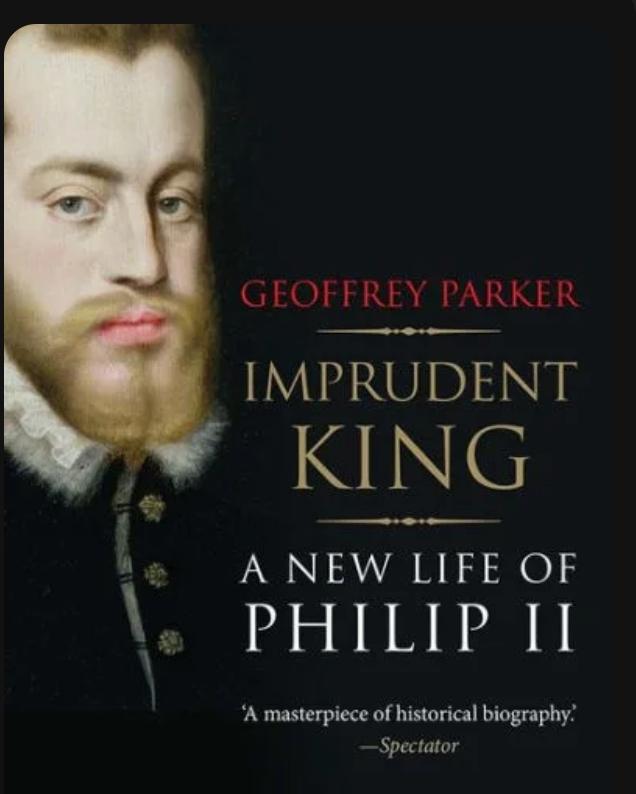
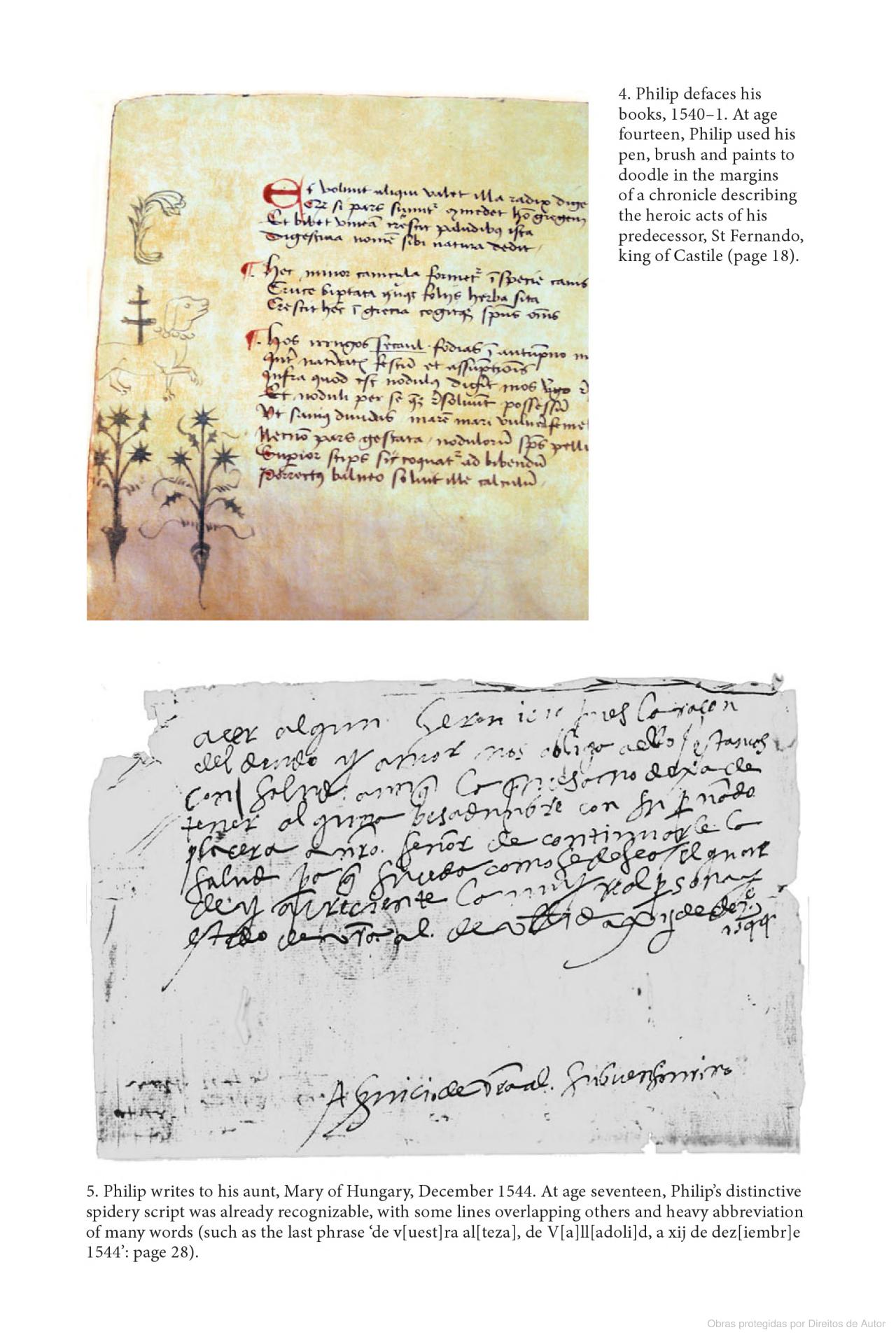
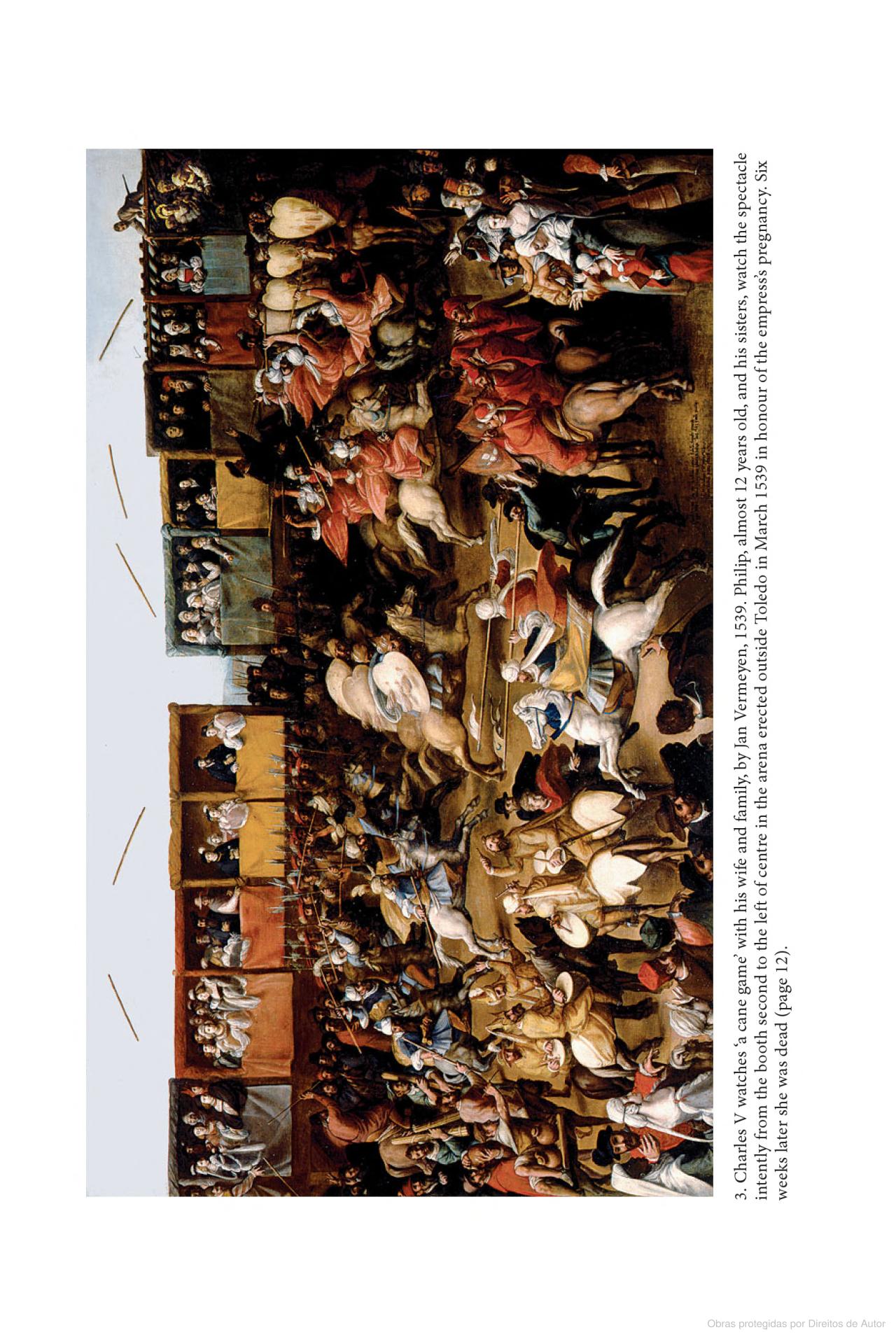
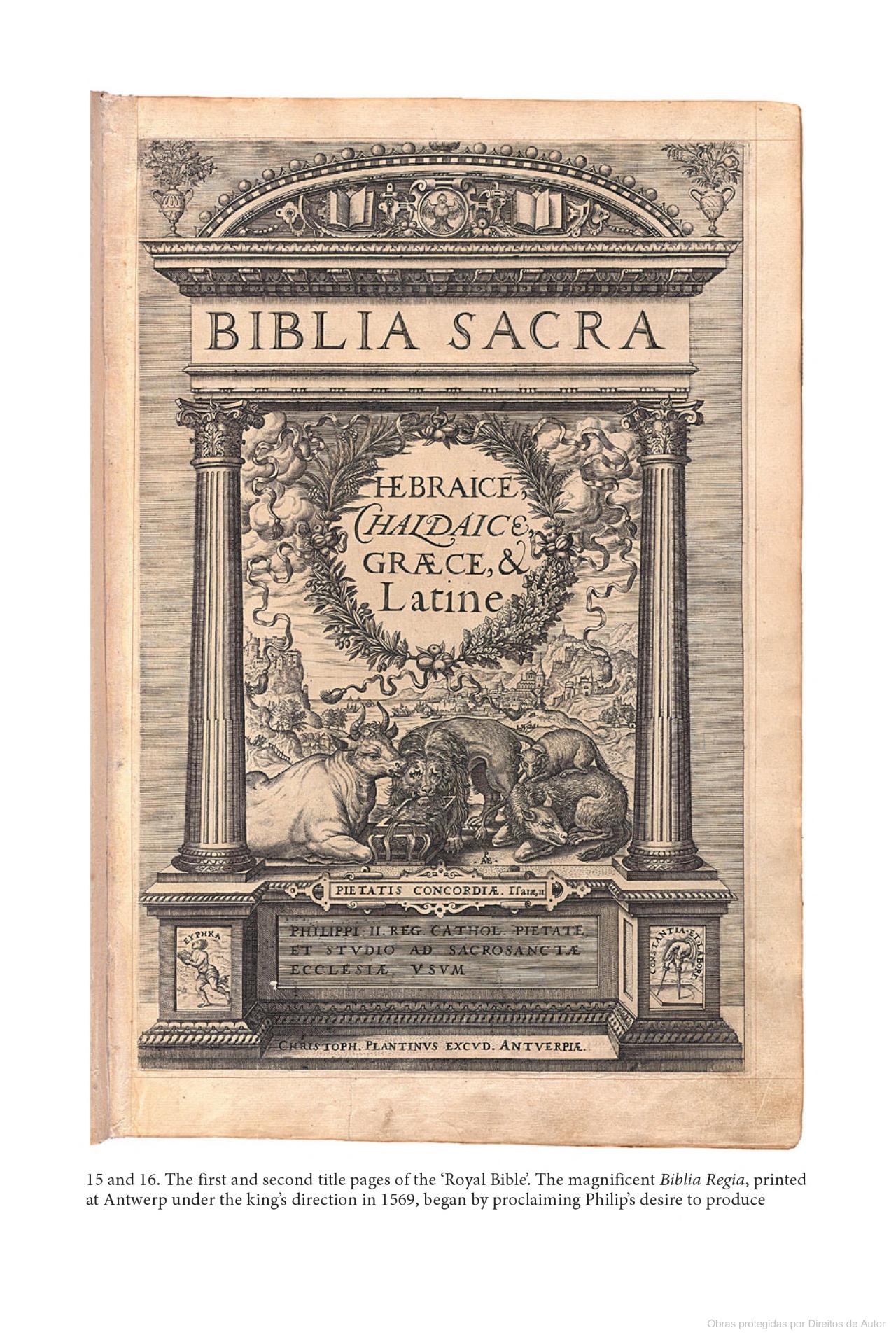
Some pages of the 📚 Imprudent King: A New Life of Philip II on sale on Amazon and other online stores.
The audacity of explorers knew no bounds. Francisco Pizarro, another fearless captain, headed south and stripped the Inca Empire of its riches in Peru. The "Spanish Main" was woven, connecting newly discovered treasures to the shores of the Mediterranean.
Yet, as in all epic tales, Spain faced challenges. The gold flowing into the Iberian Peninsula could not stave off inflation and overspending. European conflicts like the Eighty Years' War and the Thirty Years' War tested the empire's resilience.
In the 18th century, Bourbon reforms sought to infuse modernity into Spain. But decline loomed. Inspired by notions of independence, American colonies initiated movements that resonated across Latin America.
"Yet another remarkable 📚: 'The Ornament of the World: How Muslims, Jews, and Christians Created a Culture of Tolerance in Medieval Spain.' It invites us to ponder the essence of Medieval Spain, transporting each reader to an epoch of grandeur, where the convergence of Muslims, Jews, and Christians crafted a culture of tolerance—an epic journey into the past."
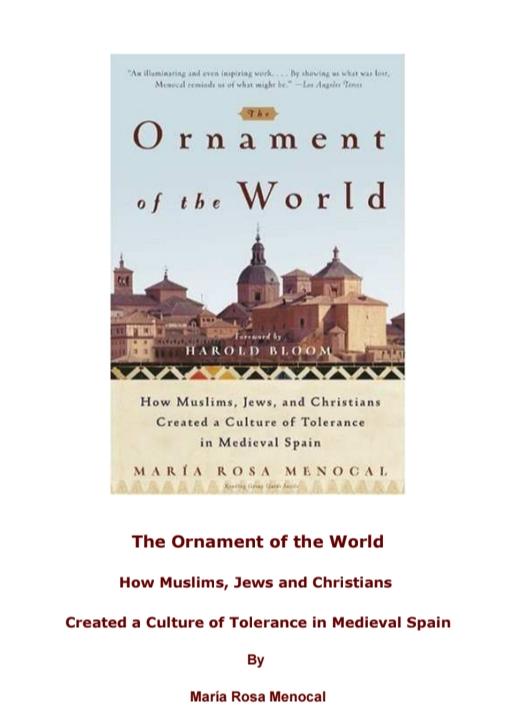
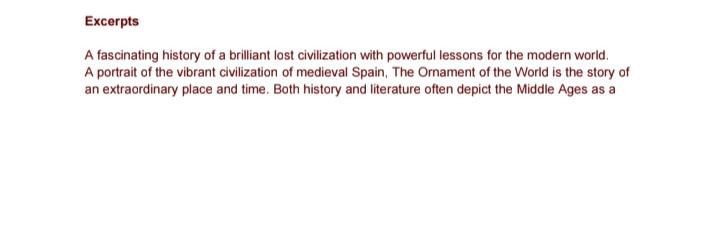
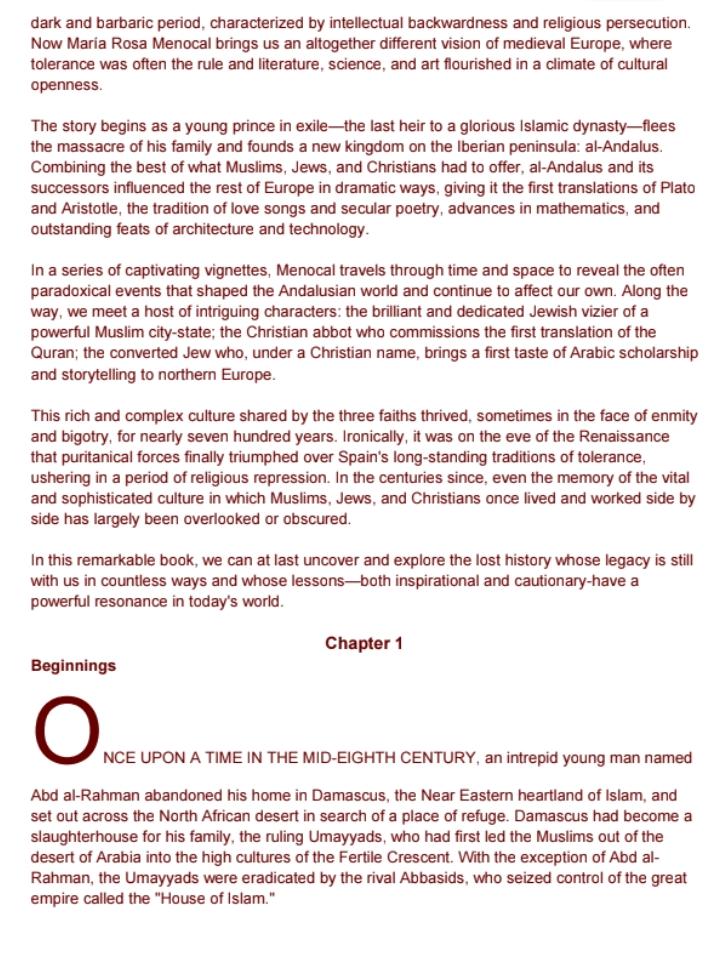
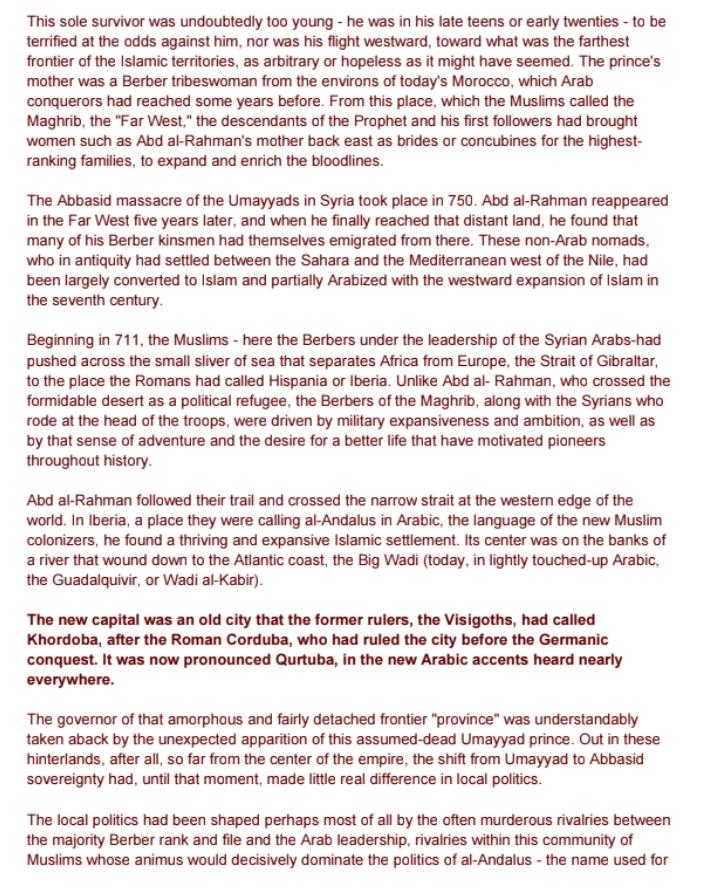
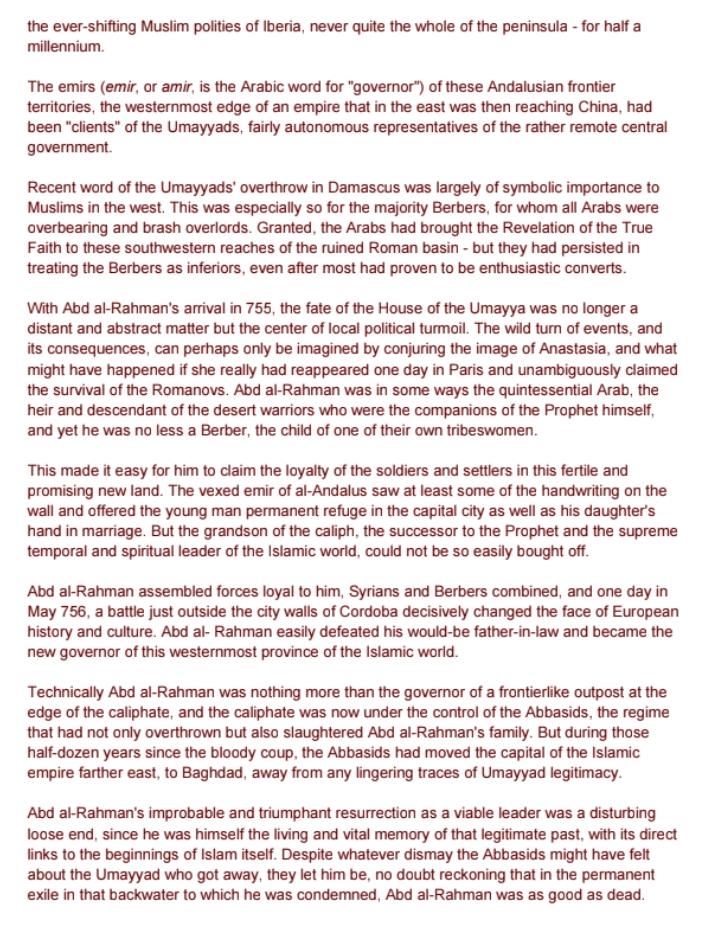
"The Ornament of the World" by Maria Rosa Menocal vividly explores medieval Spain, where Muslims, Jews, and Christians coexisted for over seven centuries in a remarkably tolerant atmosphere, fostering advancements in literature, science, and the arts. Centered around the establishment of al-Andalus, an Islamic empire, the narrative unfolds the influential legacy of this period on Europe, from linguistic shifts to notable contributions in architecture, science, and technology. Find also On Amazon Store
The 19th century brought a Spain in transformation. Colonies sought and achieved independence, penning new chapters in history. The country grappled with the complexity of redefining its identity as the century progressed.
In the 20th century, after a Civil War that divided hearts, Spain emerged from a turbulent past. Tourism flourished on the golden beaches of the Costa del Sol, and culture surged back. A renaissance that saw artists like Salvador Dalí and Pablo Picasso leave an indelible mark.
Today, Spain looks to the future. Amid contemporary economic and political challenges, the country remains true to its traditions. From the bustling La Rambla in Barcelona to the enigmatic squares of Seville, the rich cultural heritage is a guiding beacon.
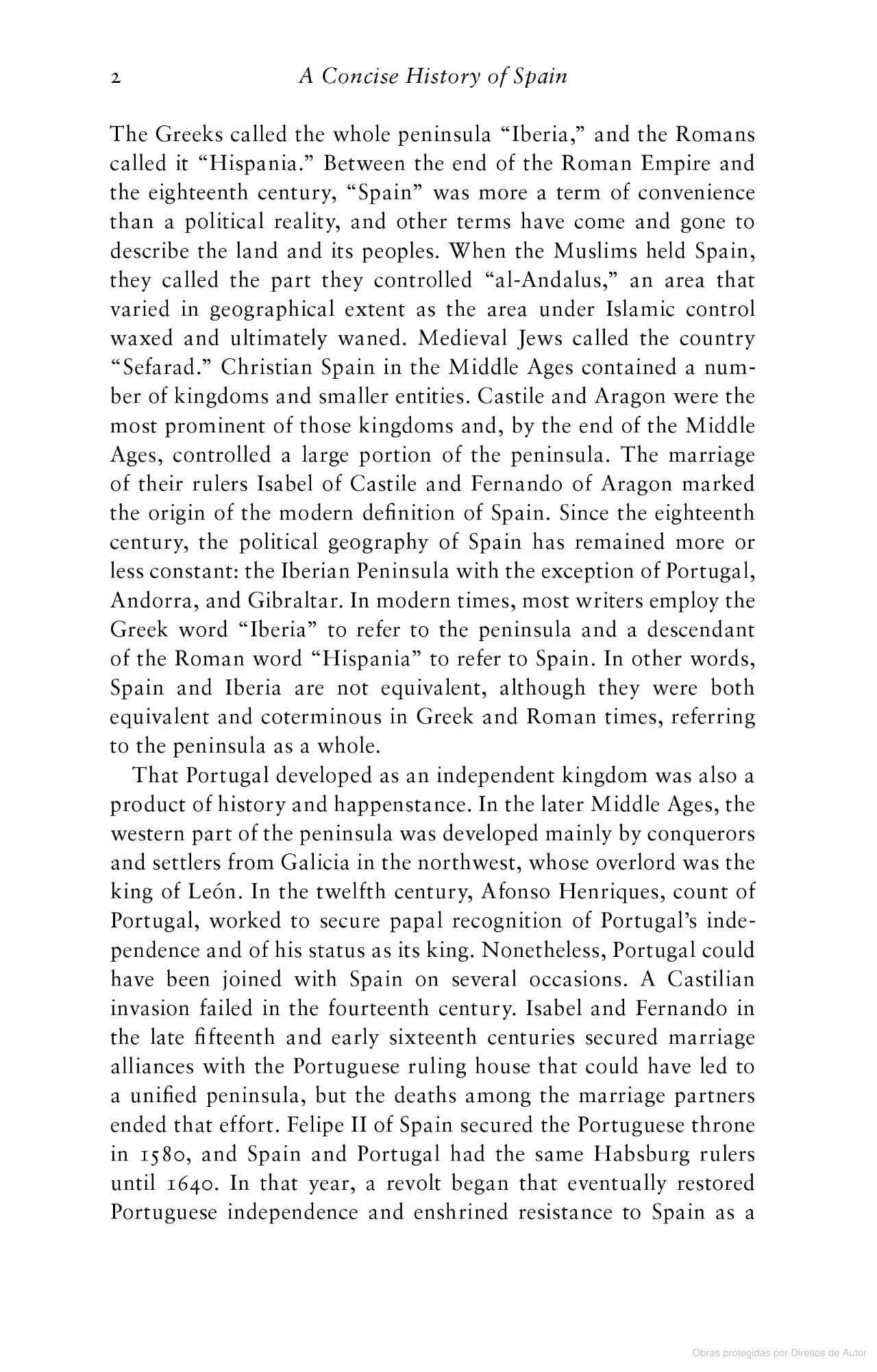
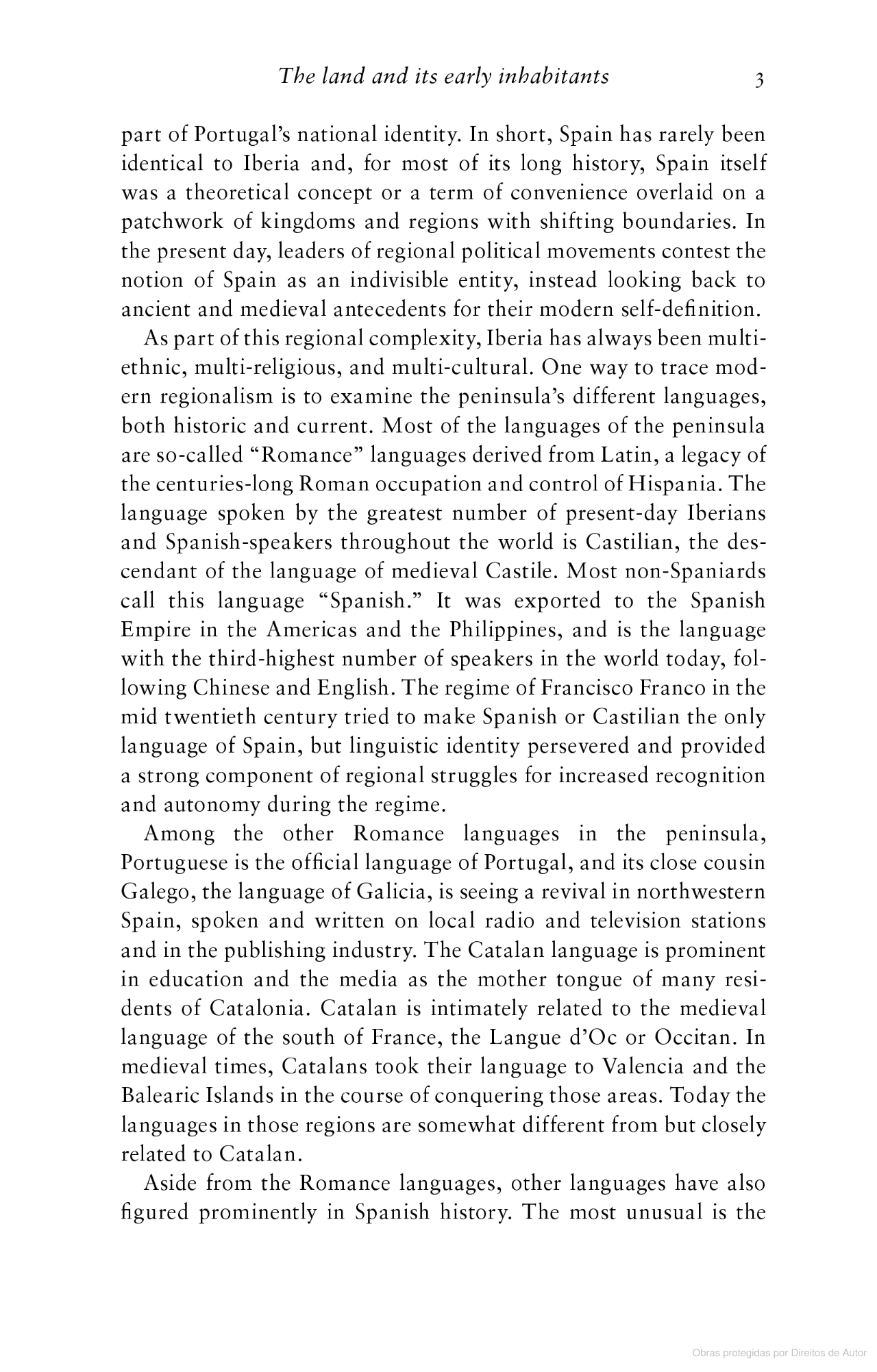
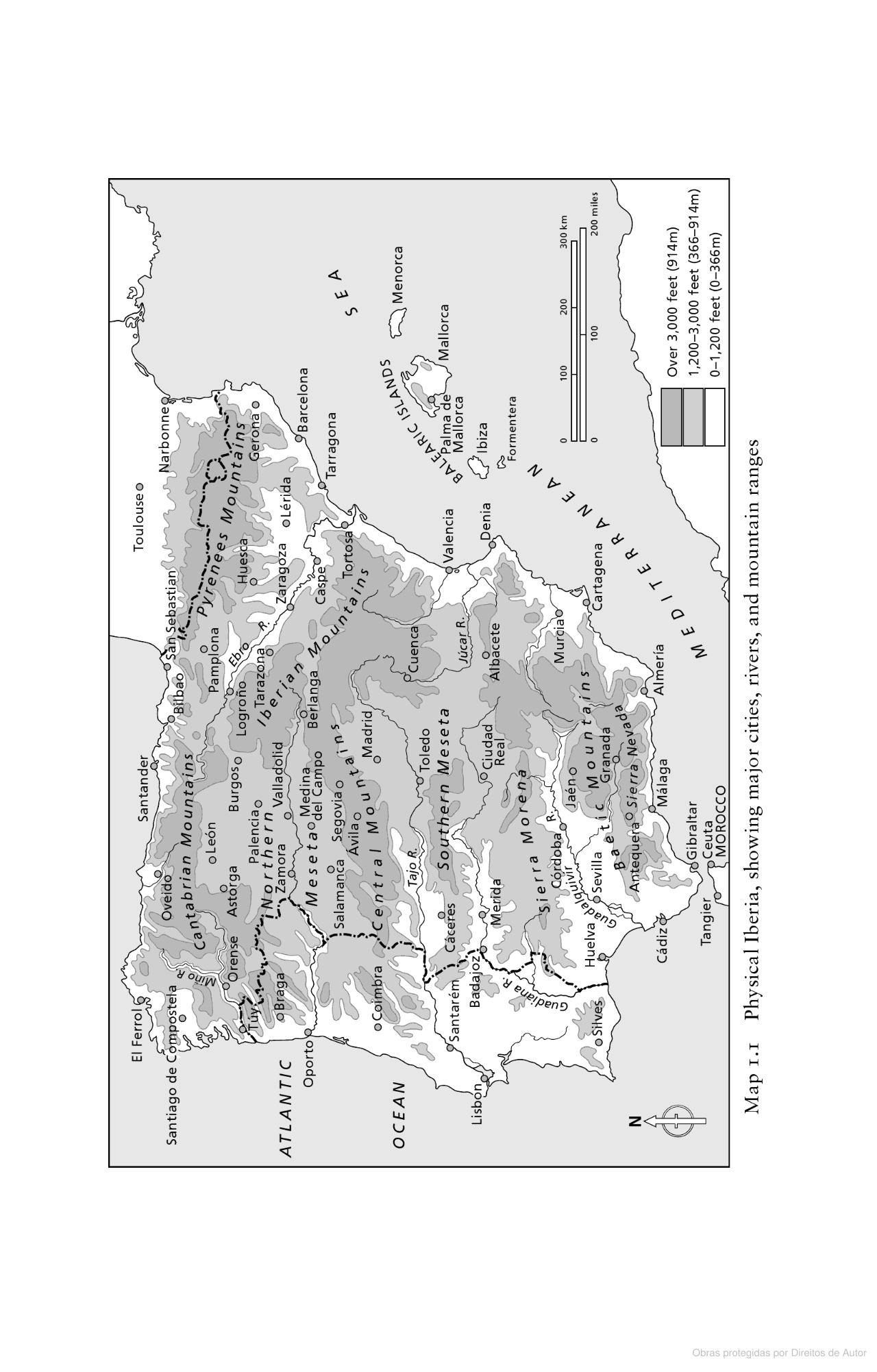
"Another great 📚- A Concise History of Spain": "Dives into the captivating narrative, a literary journey that unravels the intricate tapestry of Spain's past. From its early roots to contemporary chapters, this book encapsulates the essence of a nation's rich history, providing readers with a succinct yet profound exploration of Spain's cultural evolution and historical milestones."
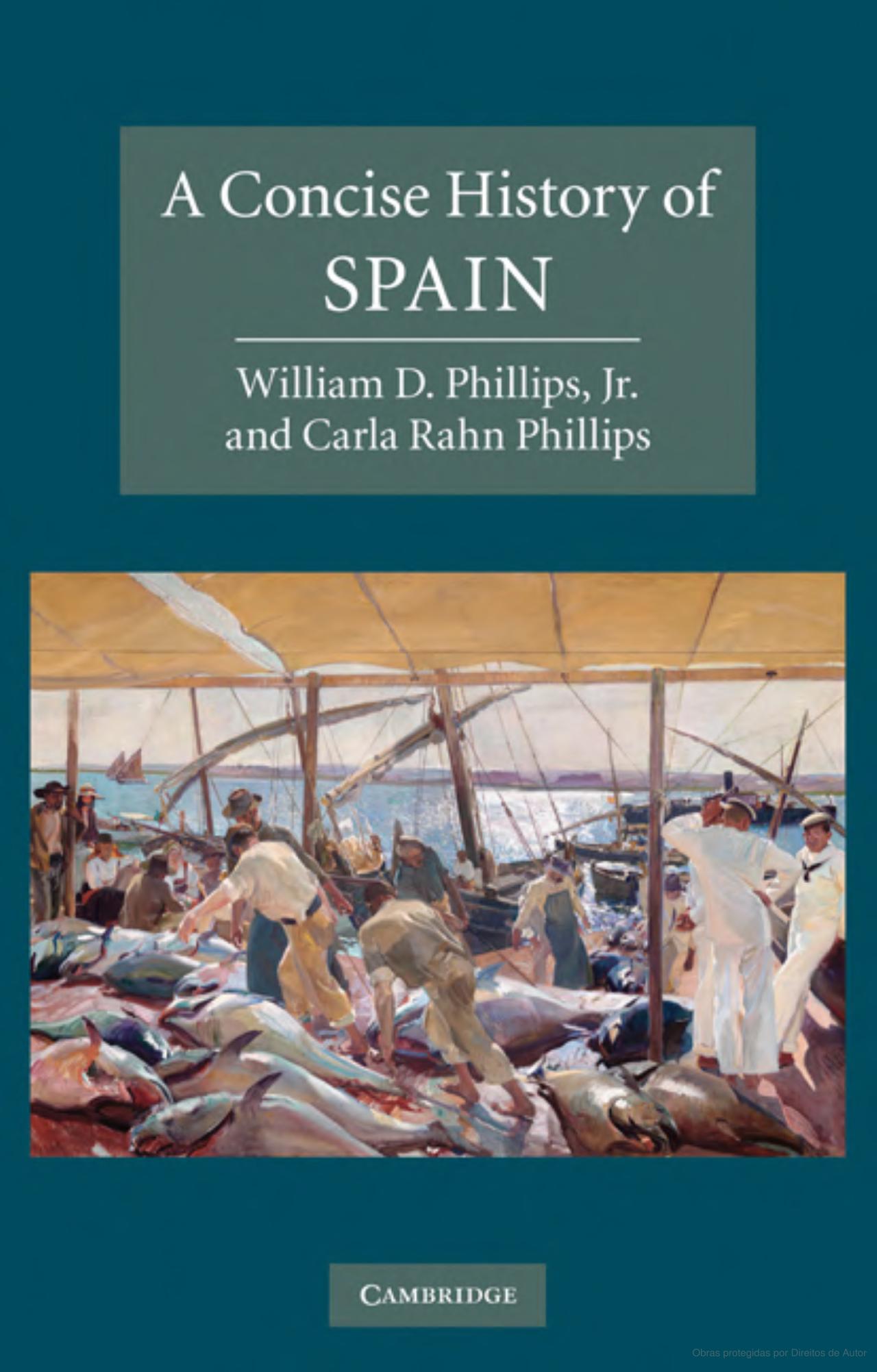
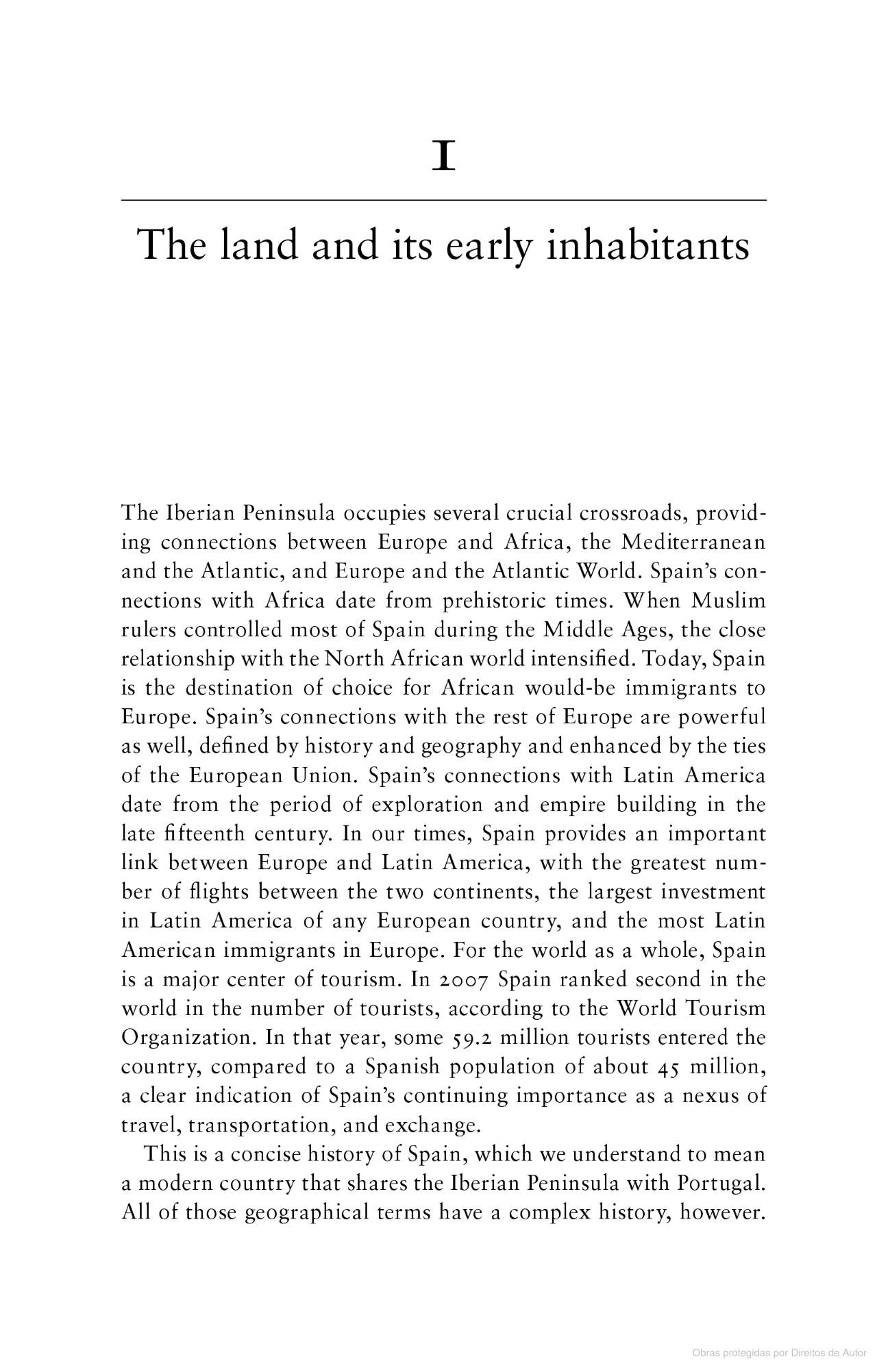
Spain, once an explorer, conqueror, and challenger, is now a modern nation, still weaving its own epic. An odyssey that transcends the pages of history, continuing to captivate and inspire those seeking to understand the unique journey of this vibrant land.