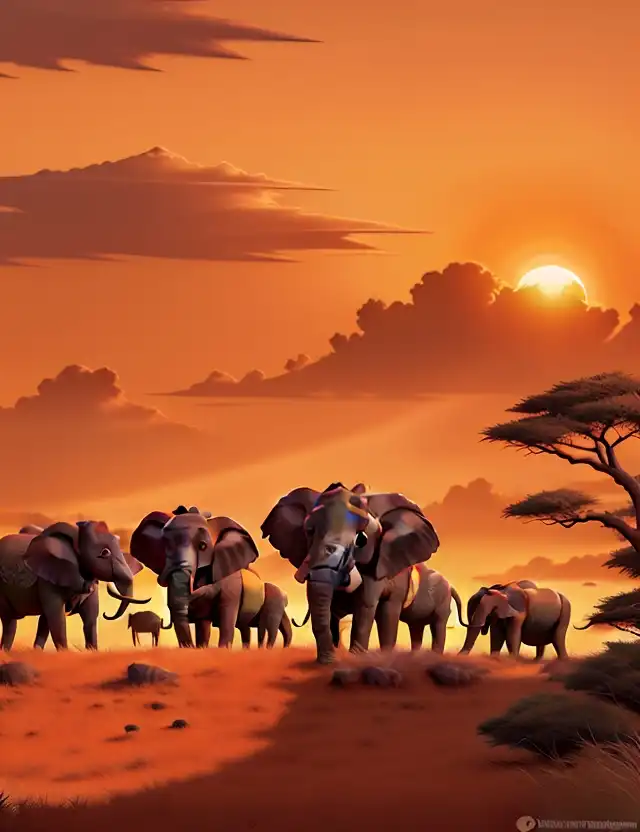

Many people view Africa as a continent plagued by suffering, loaded with problems, and overwhelmed by poverty. But it's not all of this that makes the continent poor; it's more of impoverishment.
Yes, the majority of the continent may be considered poor, but the reality is different. Africa is, in fact, a continent rich in impressive mineral and wildlife resources. It's in Africa where you find the largest, yet-to-be-explored deposits of coal and even natural gas.
It's in Africa where the best timber production resources exist, exported to China, Europe, and the United States in exchange for peanuts because the real profit is made when the timber returns in the form of furniture. In other words, we get crumbs for the raw material, and they make millions in return.
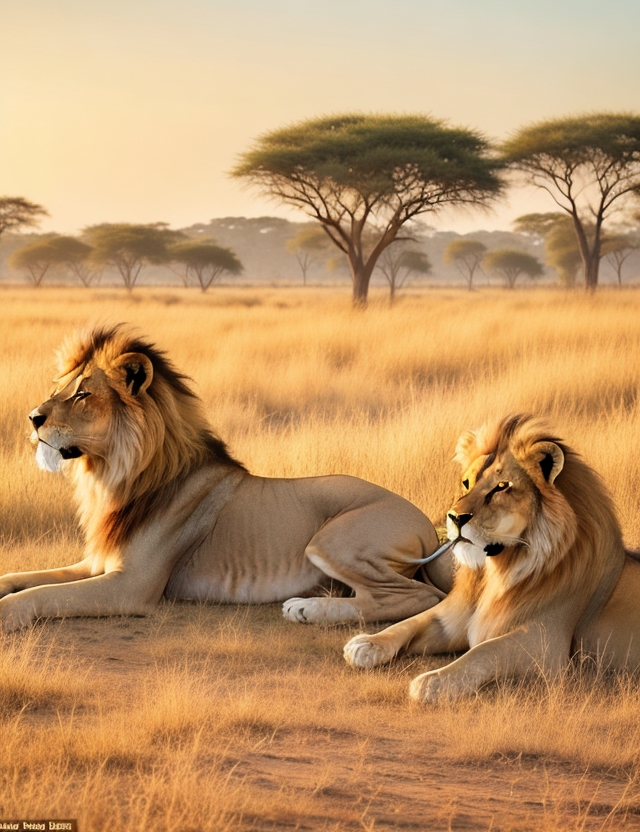
Not to mention the African savannas, a marvelous spectacle of untamed landscapes inhabited by various species of wild animals. Tourists fall in love with this vibrant and breathtaking view, often visiting numerous savannas spread across the continent.
These constant visits fill the coffers and create a considerable number of jobs in the area. They also bring significant investment in hotels, resorts, and a thriving restaurant industry.
So, we have a continent rich in mineral resources, fauna, and flora, as well as a booming tourism industry. However, the continent is plagued by various issues that overshadow this raw wealth.
Several factors contribute to this, such as inefficient governments, high levels of corruption, modern exploitation of the workforce ("low wages" while CEOs earn fortunes), an inequality of values (in Africa, you're either rich or extremely poor), governmental oppression, and more.
These are the factors that often lead to the continent being considered poor, even though the reality is not exactly that. Africa has the potential to evolve on its own. To do so, it needs to invest in skilled labor, establish a robust processing industry so that raw products aren't exported for manufacturing elsewhere but rather processed internally.
To achieve this, a significant amount of money must be invested, and more organized economic management (not one that concerns itself with the deep pockets of leaders rather than the people) is required for the tourism, extractive, technological, and other industries to develop in various African countries.
The situation is chaotic in the extractive industry, for example. The biggest industries that could generate billions in taxes acquire raw materials in many of these countries for little cost. However, upon returning the same material transformed, it costs a hundred times more. It's a complete organizational failure!
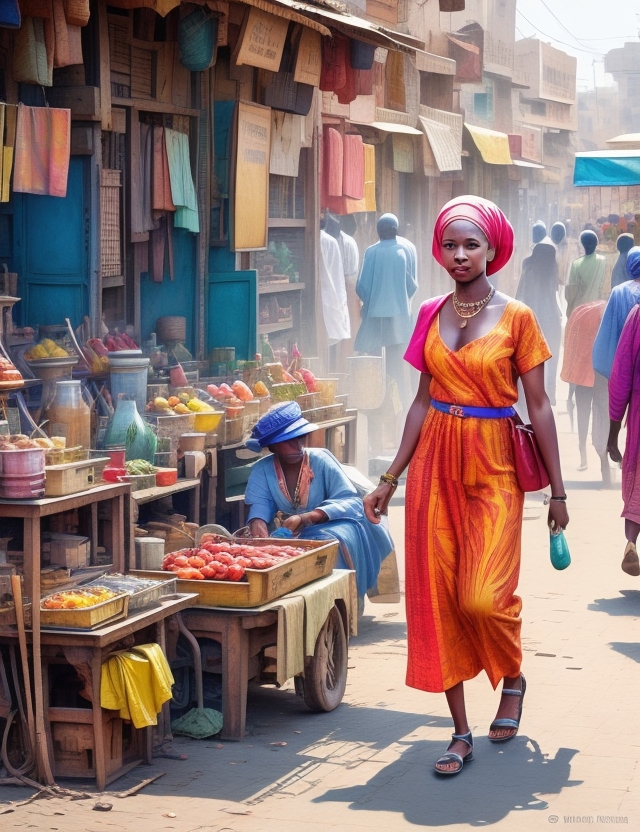
For instance, many may not know that the aluminum used in cables worldwide by Midal comes from Mozambique, from an industry called Mozal, a multi-billion-dollar venture that feeds the world but contributes very little in taxes to the country and falls short in terms of social responsibility, given the harm it does to the environment and people's health.
In conclusion, if you want to see the real Africa, visit the continent, and don't be deceived by the media. In Africa, not everything is suffering; there is also great wealth, entertainment, and a very welcoming atmosphere.
And now, what do you think of Africa after reading this article?