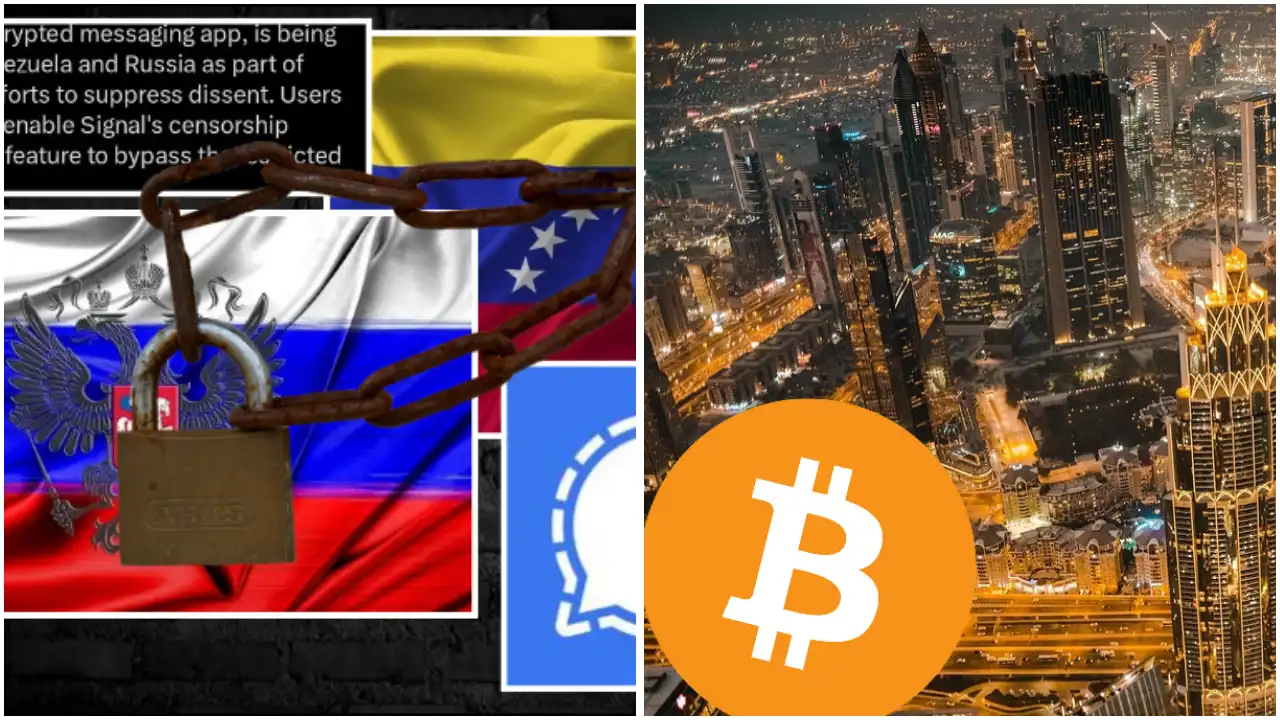

Dubai’s Crypto Paycheck Revolution: A Step Towards the Future
Dubai has approved a groundbreaking law in the first instance court that allows citizens to be paid in Bitcoin and other cryptocurrencies. This news comes at a pivotal moment in the crypto field, as the ecosystem evolves rapidly, day by day. The judge approved this measure following a litigation case between a worker and their employer, who at the time couldn’t pay in fiat currency but could use Ecowatt tokens. After careful consideration, and in alignment with Dubai’s push towards a more friendly economic society, the judge ruled that if the employment contract stipulates crypto as a form of payment, why not allow it?
It’s crucial to understand that this payment method will only be permitted if both parties in the employment contract agree to it. This means that if you are working in Dubai and wish to be paid in crypto, you must sign a contract with your employer stating this preference. While this ruling has only passed in the first instance and still requires approval from higher courts and other governmental entities, it is a significant step towards establishing Dubai as a major crypto hub.
Dubai has long been at the forefront of embracing cryptocurrency, and it’s reported that more than half of its population holds some form of crypto. Being able to pay workers using cryptocurrency is a step forward in a wider audience embracing decentralized currencies. This is a well-done move by Dubai, giving people another option to receive their salaries and pushing towards further development.
Signal Blocked in Russia and Venezuela: Governments Fear Encrypted Chats More Than Protests!
Meanwhile, in another part of the world, governments are taking the opposite approach, restricting people's rights to communicate freely. Signal, the popular privacy-focused messaging app, has been blocked in both Russia and Venezuela as part of their governments' strategies to restrict private communication. In Venezuela, the app was restricted following the controversial election that Nicolas Maduro won, despite widespread protests from the opposition, who claimed the election was fraudulent. The government’s move to block Signal is seen as an attempt to prevent encrypted private conversations that could lead to further protests or even a coup.
In Russia, Signal has been blocked under the guise of legal violations, though many believe this is just another excuse to strip people of their right to communicate privately. Even with these blocks, users in both nations can circumvent these restrictions using in-app features or VPNs if the features are insufficient.
It's outrageous how governments use their power to deny people their fundamental right to communicate freely. Blocking apps like Signal, which are built to protect privacy and freedom of speech, is a blatant infringement on human rights.
Remember: YOUR CONTENT IS VALUABLE.