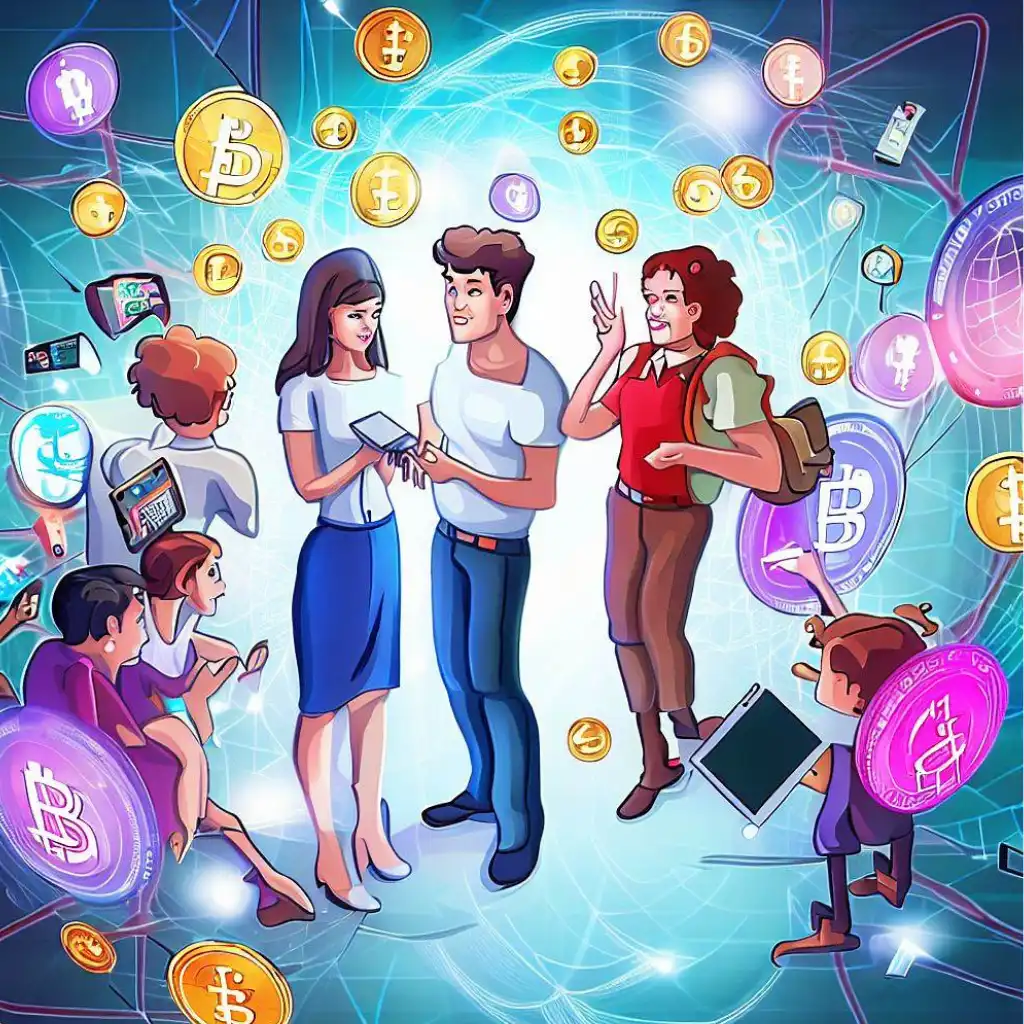

Binance, the world's largest cryptocurrency exchange in terms of trading volume and global crypto presence, has announced its decision to halt access to Banco De Venezuela (BDV) to their Peer-to-peer platform, meaning that all payments made from and to that state bank will no longer be supported by the Exchange. This move comes as a result of the global sanctions imposed by the United States of America and the international monetary community.
This decision by Binance could present an opportunity for Venezuelan citizens to truly embrace the use of cryptocurrencies as they were intended. While Binance does serve as a platform that facilitates exchange for fiat currency, especially in the midst of Venezuela's turbulent economy, it appears they have inadvertently undervalued the essence of true financial freedom. Allowing users to exchange cryptocurrencies for dollars and subsequently withdraw them to their banks does not effectively contribute to cryptocurrency adoption within the region; instead, it perpetuates user dependency on the exchange.
It is crucial for individuals to recognize that despite the convenience and the ability to access dollars during times of crisis, they remain heavily influenced by the centralized power that Binance wields for those who choose this path. In truth, Binance acquires the majority of users' cryptocurrencies, providing them with fiat currency in return. This fiat money is inherently inflated, a phenomenon well-known to Venezuelans due to the rampant hyperinflation affecting their domestic economy.
Undoubtedly, the suspension of Venezuelan bank services by Binance will initially create significant challenges for users in Venezuela. Many businesses rely on their platform accounts to receive cryptocurrency payments and subsequently convert them to dollars in their banks. However, this situation might offer a unique opportunity for these users to truly engage with cryptocurrencies in a non-custodial manner, where they control their own crypto wallets and function as their personal banks.
Sanctions will persist, and businesses like Binance will always strive to comply with regulations to avoid potential repercussions. Nonetheless, users who possess the power to hold their cryptocurrencies directly and non-custodially wield influence. This power stems from the freedom to utilize their funds as they see fit, without the need to rely on intermediaries. This stands in contrast to situations where platforms like Binance can restrict access or even suspend specific payment methods, as was the case with the Venezuelan bank.
What is essential is the establishment of an economy based solely on buying and selling using cryptocurrencies, thereby channeling financial transactions within this future economic vision. Only through such a model can we potentially restore the market that Satoshi fervently sought to create – an economy independent of the control of third parties.
Remember, from adversity often arises new and unexplored opportunities.
Keep showing your support to my blog and donate to keep it active! I appreciate all what you do and let's make F2Z a hotspot.
Article 99