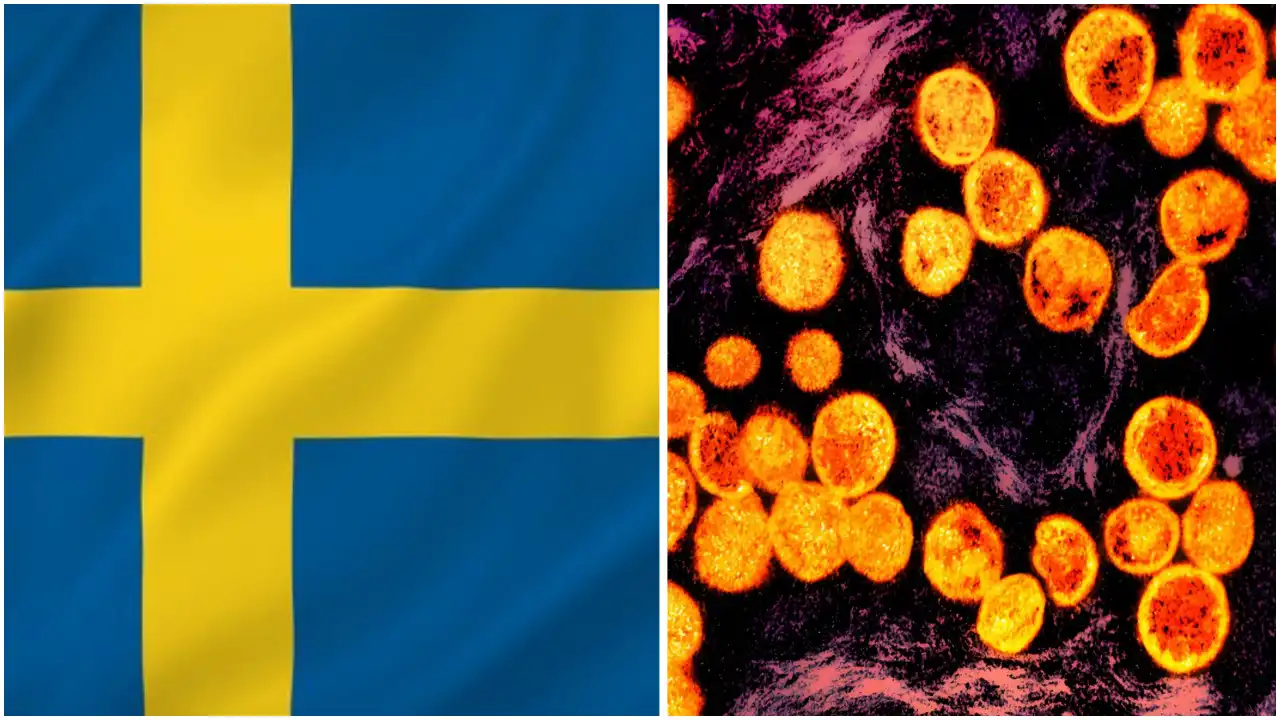

Virus is definitely a word that is on people's minds after the COVID outbreak, and anytime the world hears about a new one, the panic is general and not for less. Right now, there's another virus making waves around the world: Monkeypox (mpox), which the WHO has declared a global public health emergency.
Background on Monkeypox
Monkeypox is not new; it was first identified in the 1970s in the Democratic Republic of Congo. It is a zoonotic virus, meaning it is transmitted from animals to humans, and is related to the smallpox virus. While it has been primarily confined to Central and West Africa, the recent outbreak shows signs of global spread.
Transmission and Symptoms
The virus is transmitted through direct contact with the blood, bodily fluids, or lesions of infected animals or humans. Symptoms include fever, headache, muscle aches, and a characteristic rash that turns into painful blisters. Unlike COVID-19, mpox is not spread through the air but requires close physical contact.
WHO's Declaration and Global Situation
The WHO's declaration of mpox as a public health emergency marks the second time in two years that the world is facing such a threat. With cases now reported in multiple continents, including Europe, the potential for a widespread outbreak is real. Sweden recently registered its first case of the Clade 1 type of Monkeypox, raising concerns about the virus crossing continents.
Learning from COVID-19
The COVID-19 pandemic taught us valuable lessons about the importance of early detection, transparent communication, and swift action. Unlike COVID-19, mpox has visible symptoms, making it easier to identify and isolate infected individuals. However, the challenge lies in ensuring public awareness and preventing panic.
Impact on Society
The announcement of a new virus has inevitably led to public anxiety. Travel restrictions and advisories are being considered, especially for travelers from African countries. The economic and social impacts of another health crisis could be significant, affecting global trade, travel, and daily life.
Preventive Measures and Public Awareness
To combat the spread of mpox, it is crucial for people to be aware of the virus and stay informed about the latest developments. Simple measures such as maintaining good hygiene, avoiding contact with infected individuals, and following travel advisories can make a significant difference.
Expert Opinions and Predictions
According to Dr. Jane Doe, a leading virologist, "The key to preventing a widespread outbreak is early detection and isolation of cases. Public awareness and cooperation with health authorities are essential." Experts believe that with proper measures, the impact of mpox can be contained.
Call to Action
It is important for everyone to stay informed, follow guidelines from health authorities, and avoid spreading misinformation. By working together and remaining vigilant, we can prevent the spread of mpox and protect our communities.
Remember: Content is King! Stay informed, stay safe.
Support My Work
If you found this article helpful and want to support my writing, here are some ways to help:
Tip and donate privately direct on the article – Help fuel my research and writing with a small donation.
Share and Subscribe – Share this article with friends and subscribe for more updates.
Send Me Tips or Ideas – Got a topic you’d like covered? Let me know!
Thank you for reading and for your support!