
VITAMINS
Introduction
Welcome Dear reader!
My goal is to enhance community knowledge on dietary requirements and promote awareness regarding them. Through this article, I aim to shed light on the significance of vitamins for human health, and elaborate on the various types that are vital for our well-being.
Vitamins & their types
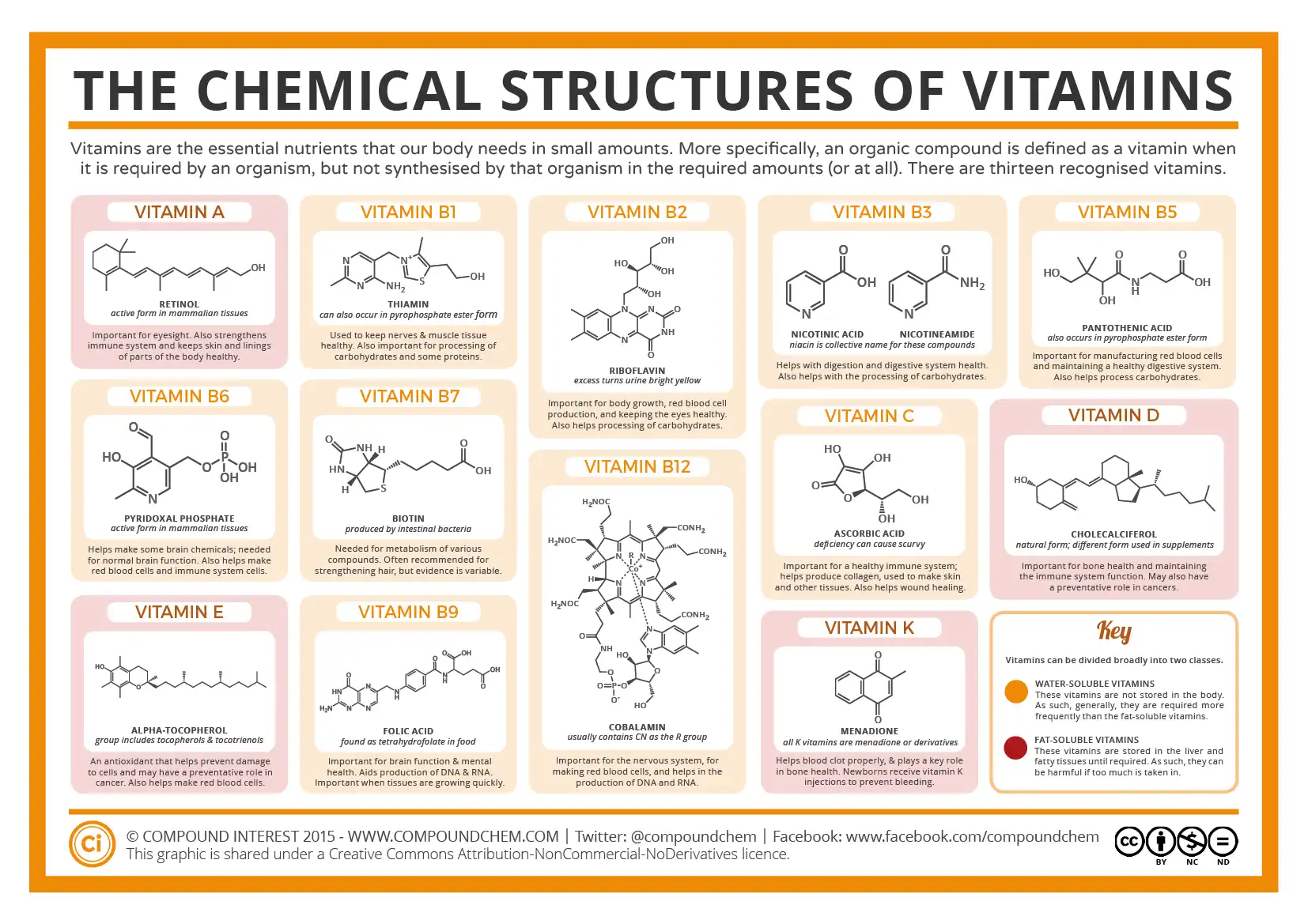
Vitamins are vital organic compounds that are required by our bodies in small quantities to ensure correct functioning. They play a critical role in a variety of bodily processes, including metabolism, growth, and repair. Although our bodies can produce some vitamins, the majority of them must be obtained from the foods we consume.
There are 13 vitamins that are essential for human health, and they can be classified into two categories: water-soluble and fat-soluble vitamins
Water-soluble Vitamins
Water-soluble vitamins dissolve in water and are not stored in the body. They need to be replenished regularly through our diet or supplements. The water-soluble vitamins are:
Vitamin B1 (Thiamine)
Vitamin B1 facilitates the metabolism of carbohydrates, which serve as the primary energy source for the body, and supports the proper functioning of the nervous system. Additionally, it aids in the synthesis of DNA and RNA, which are essential for cellular growth and repair. Insufficient intake of thiamine can result in a condition called beriberi, which can cause muscle weakness, nerve damage, and heart issues. Foods such as whole grains, legumes, nuts, and pork are excellent dietary sources of vitamin B1. In certain countries, thiamine is added to specific foods as a fortification measure to prevent deficiencies.
Vitamin B2 (Riboflavin)
Vitamin B2 is involved in energy production and helps to maintain healthy skin, eyes, and the nervous system. Riboflavin is also critical for the metabolism of fats, carbohydrates, and proteins, and plays a crucial role in the production of red blood cells that transport oxygen throughout the body. A deficiency in vitamin B2 can lead to skin disorders, mouth sores, and anemia. Good dietary sources of riboflavin include dairy products, meat, fish, whole grains, and leafy green vegetables. Riboflavin can also be obtained through supplements and fortified foods.
Vitamin B3 (Niacin)
Vitamin B3 is involved in the conversion of food into energy and helps maintain healthy skin, nerves, and digestion. Additionally, niacin has been found to have cholesterol-lowering properties and is often used as a supplement to reduce cholesterol levels in the blood. Severe deficiency of vitamin B3 can cause a condition called pellagra, which is characterized by skin rashes, diarrhea, and dementia. Good dietary sources of niacin include poultry, fish, whole grains, and legumes. Niacin can also be obtained through supplements and fortified foods
Vitamin B5 (Pantothenic Acid)
Vitamin B5 plays a important role in energy metabolism and aids in the synthesis of compounds such as fatty acids, cholesterol, and hemoglobin. In addition, it promotes healthy skin, hair, and eyes, and supports the proper functioning of the nervous system. Due to its potential to reduce acne and promote skin healing, pantothenic acid is a common ingredient in skincare products. Good dietary sources of vitamin B5 include meat, poultry, fish, whole grains, and legumes.
Vitamin B6 (Pyridoxine)
Vitamin B6 is invloved in the production o neurotransmitters, and in the metabolism of carbohydrates, fats, and proteins. Moreover, it is crucial for red blood cell production and plays a critical role in maintaining a strong immune system. Pyridoxine also supports brain development during pregnancy and infancy, regulates hormone levels, and can help alleviate symptoms of depression and inflammation. Good dietary sources of vitamin B6 include poultry, fish, whole grains, vegetables, and nuts. Supplements may be necessary for those with specific health conditions or those at risk of deficiency. It is crucial to not exceed the recommended daily dose of vitamin B6, as excessive intake can lead to nerve damage.
Vitamin B7 (Biotin)
Biotin or vitamin H, plays a critical role in supporting healthy skin, hair, and nails. It is involved in the synthesis of essential fatty acids and glucose, which are necessary for the proper functioning of the body. Although biotin deficiency is rare, it can result in skin rashes, hair loss, and neurological symptoms. Foods rich in biotin include egg yolks, liver, nuts, seeds, and vegetables.
Vitamin B9 (Folate)
Folate has an active role in DNA synthesis and repair, red blood cell formation, and cell division. During pregnancy, adequate folate intake is crucial for preventing birth defects in the baby's brain and spine. Folate also plays a significant role in maintaining proper nervous system function and regulating mood through the production of certain neurotransmitters.
To ensure sufficient folate intake, it is essential to consume foods rich in folate such as leafy green vegetables, legumes, fortified cereals, and citrus fruits. In cases where dietary intake is insufficient, supplements may be recommended, particularly for pregnant women or individuals with certain medical conditions.
Vitamin B12 (Cobalamin)
Cobalamin is essential for the synthesis of DNA, the maintenance of the nervous system, and the formation of red blood cells.
The primary dietary sources of vitamin B12 are animal-based foods such as meat, poultry, fish, dairy products, and eggs. However, fortified cereals and some plant-based milk substitutes may also contain this vitamin.
Inadequate intake of vitamin B12 can result in several health issues such as anemia, fatigue, weakness, neurological symptoms like numbness and tingling, and problems with balance and coordination. People who follow strict vegan or vegetarian diets or have certain medical conditions that affect absorption are at a higher risk of vitamin B12 deficiency and may require supplements to meet their recommended daily intake.
Vitamin C (Ascorbic Acid)
Ascorbic Acid is an antioxidant, protecting cells from damage, and is involved in collagen synthesis, wound healing, and immune system function.
Vitamin C is found in various foods, including citrus fruits like oranges and grapefruits, kiwifruit, strawberries, broccoli, bell peppers, and tomatoes. Supplements in the form of tablets, capsules, and powders are also available.
A deficiency in vitamin C can result in scurvy, a condition that causes fatigue, weakness, muscle and joint pain, and bleeding gums. Although rare, scurvy can occur in individuals with severely inadequate vitamin C intake, such as those with limited access to fresh fruits and vegetables.
Most people can obtain sufficient amounts of vitamin C from a well-balanced diet, but in some cases, supplementation may be necessary, especially for those with certain medical conditions or who smoke, as smoking increases the body's demand for vitamin C.
Fat-Soluble Vitamins
Fat-soluble vitamins dissolve in fat and are stored in the liver and fatty tissues of the body. They can be stored for longer periods of time, and excessive intake of these vitamins can lead to toxicity. The fat-soluble vitamins are:
Vitamin A (Retinol)
Vitamin A is divided in either retinol (preformed vitamin A) or carotenoid (Pro-vitamin A). Preformed vitamin A derives from animal sources such as whole milk and liver. Contrarily, Pro-vitamin A is found in plant sources such as carrots in the form of β-carotene, α-carotene, and β-cryptoxanthine.
Vitamin D (Calciferol)
Vitamin D serves as both a nutrient and a hormone. The primary sources of Vitamin D in the human diet are fortified foods such as cereals and supplements. Furthermore, humans have the natural ability to generate Vitamin D from 7-dehydrocholesterol, a compound present in the skin. Upon exposure to sunlight, 7-dehydrocholesterol is converted to Pre-vitamin D3 via a thermally-induced isomerization process. The rate at which Vitamin D is produced in the body may differ from person to person, as skin type and race may affect the absorption of sunlight by the skin.
Geolocation can also be a contributing factor in the absorption of sunlight by the skin, as it affects the intensity and duration of sunlight exposure. Regions closer to the equator, for instance, receive more direct sunlight and may lead to higher production of Vitamin D in individuals residing in those regions.
Vitamin E (Tocopherol)
Acting as an antioxidant in the body, Vitamin E is a fat-soluble vitamin that helps shield cells from harm caused by free radicals. Additionally, Vitamin E participates in important bodily processes such as immune functio and DNA repair. Vitamin e also protects the central nervous system
Examples Of Nutrient-dense sources of Vitamin E are:
Almonds, sunflower seeds, and peanuts.
Wheat germ oil, sunflower oil, and safflower oil
Green leafy vegetables, including spinach and broccoli.
Fortified foods, such as margarine, as well as fortified cereals.
A deficiency in Vitamin E, may lead to numerous health problems including muscle weakness, vision problems, and immune system dysfunction.
Vitamin K (Phylloquinone)
Vitamin K exists in two forms: Vitamin K1 and Vitamin K2.
Vitamin K1 is present in leafy greens like spinach, kale, and broccoli, as well as certain vegetable oils. On the other hand, Vitamin K2 is produced by bacteria in the intestines and can also be obtained from animal derived foods, such as meat and dairy products.
Vitamin K is critical for both maintaining healthy bones and also supporting proper blood clotting.
It performs a vital function in the body's blood clotting process by triggering the activation of specific proteins that are required for coagulation. Additionally, Vitamin K helps to activate osteocalcin, a protein that is essential for bone formation.
Inadequate levels of Vitamin K in the body can compromise bone health, and consequently increase the chances of bone-related issues.
Summary
Each of these vitamins plays a unique role in the body, and a deficiency or excess of any of them can lead to various health risks.
Conclusion
In conclusion, vitamins are essential for human health and can be obtained through a balanced diet or supplements. It is important to consume them in the right amounts and to consult with a healthcare professional before taking any vitamin supplements.