

I'd like to believe privacy is a fundamental right, the foundation of freedom, justice, and peace in the world. With Google controlling nearly every aspect of our lives today, are we really free? Are we building towards a just and peaceful world or are we setting ourselves up for manipulation and control by monopolistic powers?
For this DeGoogle experiment, I used a wiped-clean Google Pixel Pro 9 and started building from there.
GrapheneOS
I installed GrapheneOS, an open-source privacy-focused operating system for Android devices that is designed to protect my (and your) data. GrapheneOS limits how much of my information is tracked across my installed apps. It offers a Network Permission feature that allows me to control each app, including Google services. My apps—my decision. I decide how much, or how little, I prefer to compromise my privacy. This often means redefining phone usage and relying more on open source apps.
F-Droid and/or Aurora Store
GrapheneOS includes an 'app store', but this app store consists of a meager thirteen apps. That's why, I chose to download my pick of apps from F-Droid. F-Droid only offers free and open-source apps. Although F-Droid has fewer apps available than the Google Play Store, there's enough to work with and their transparency appeals to me. The apps that contain ads, tracking, etc., are clearly labeled. For all the apps that aren't available within F-Droid, I downloaded the Aurora Store, a mirror to Google Play without the connection to any google accounts. Keep in mind however, that although installing the apps through Aurora Store provide you with a certain level of privacy, companies like e.g. Facebook and Instagram can still invade your privacy and continue to gather information about you once signed up.
Over the course of a few months, I have tested several apps that will make your journey to deGoogle your life significantly easier. But first, to stay connected globally, I anonymously purchased an esim from Silent Link. To keep my financial data private, I opted to pay with Zingo!, a private wallet app that supports privacy focused Zcash (more about this later).
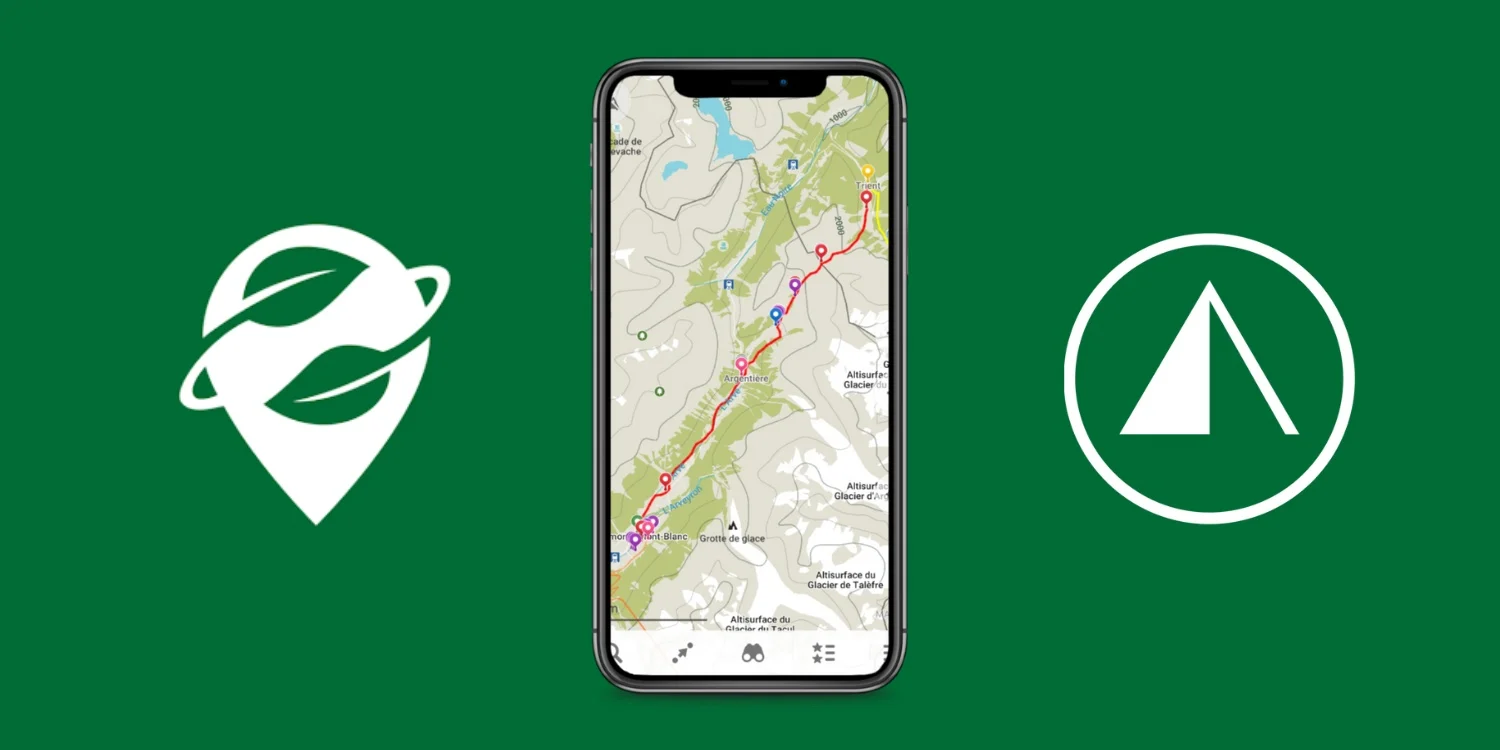
Alternative to Google Maps: Organic Maps
Organic Maps is one of the few apps nowadays that supports 100% of features without an active internet connection. Install Organic Maps, download maps, and save battery. No ads. No tracking. No data collection. Besides that, I find Organic Maps extremely user friendly and I actually prefer it over Google Maps!
Increasingly Popular Brave Browser
Don't want Google Chrome to collect your data? Brave browser heavily focusses on user privacy and blocks ads and trackers by default. Think private search and powerful VPN (for Brave VPN you do have to sign in to your Brave account and purchase a subscription). With Brave, privacy can go hand in hand with improved browsing speed and battery usage. Brave also features a built-in crypto wallet.
Speak Freely with Signal
No ads, no affiliate marketers, and no tracking in Signal. Signal is a non-profit organization funded by donations, which means it does not rely on user data for revenue. Like WhatsApp, Signal uses end-to-end encryption (E2EE). This means only the sender and the receiver can read messages—even Signal itself cannot access them. However, Signal's security features go beyond this. Signal's "Sealed Sender" feature hides metadata—even from the app itself (metadata can be more revealing than the actual message itself). Signal also offers more customizable privacy settings, allowing you to control what information is visible in notifications and to hide your IP address during calls.
Pay with Zingo! Wallet
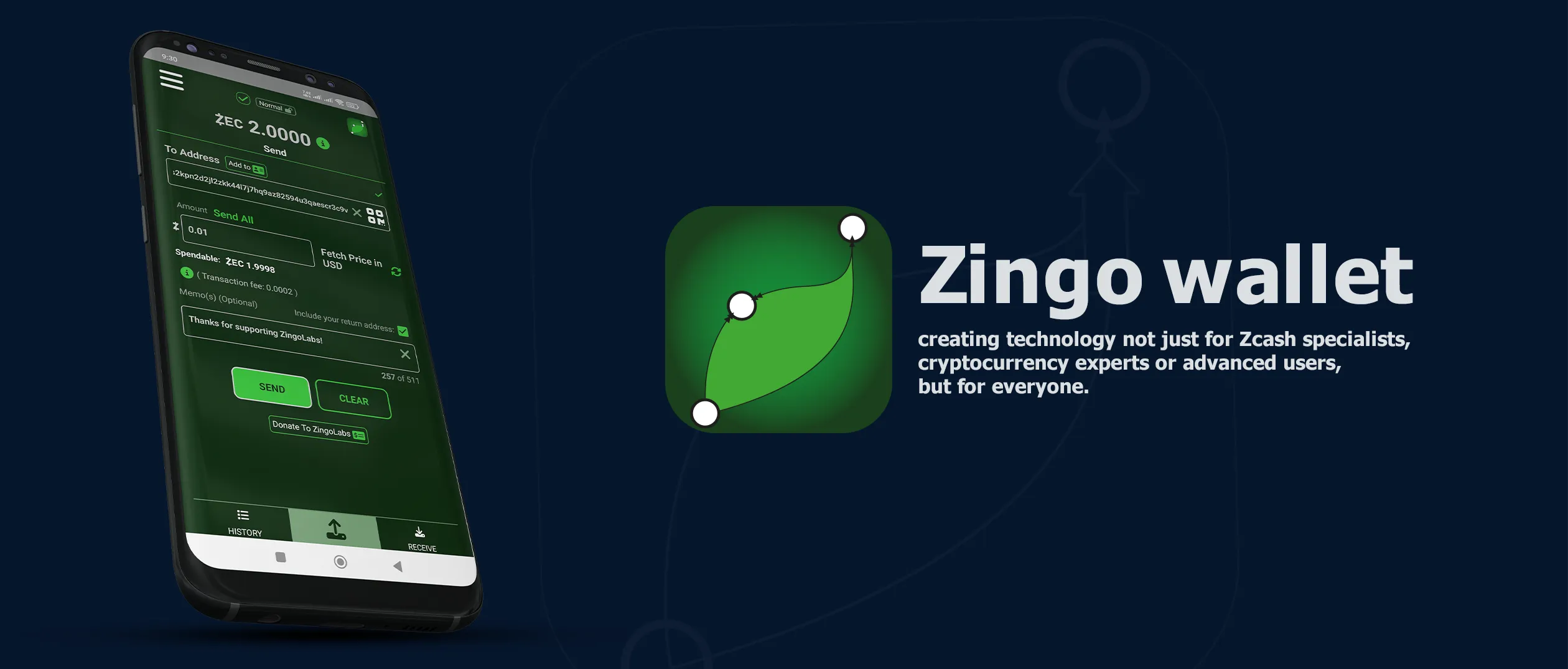
Last but certainly not least; Zingo wallet has been my go to from the start of my crypto journey to freedom. Why? Because Zingo Wallet is a private wallet app designed for Zcash, offering a self-custody (user has full control over private keys and funds without relying on third-party services like exchanges), Zcash-only, shielded wallet (type of wallet that provides enhanced privacy and security for transactions) that allows users to send, receive, and spend ZEC (the Zcash coin) privately and securely.
There you go. I hope this post was helpful in your journey towards DeGoogling your life. Cheering you on!