

I think type 1 diabetes people are born with and it's not being able to make insulin at all? I'll have to look it up now.
These words are on a memo note with a tip that a reader sent after reading my last post where I mentioned my daughter's possibility of her hyperinsulinism turning into diabetes 1 or 2. Also, they made me wonder:
Is Type 1 & 2 Diabetes a Genetic Condition?
Before answering that question - which should not be such an easy thing to do-, I must say: nobody is born with a diabetes condition. But if you have some medical backgrouds on diabetes in your family, you may definitely develop it or get a related metabolic condition. So, it's up to you be always aware of what your body is saying.
According to nutritionists (not only those based on the Ketogenic diet but others as well), diabetes has become the illness of modernity. There’s a long list of factors which can contribute to its development, including:
- Physical inactivity / Sedentarism
- Physical stress
- Processed foods
- High consumption of carbs and sugar, etc., leading all these to the last but not the least…
- Overweight
Most of these linked to life style:
- Long hours sitting in front of a computer.
- No time for walks and open-air breaks
- Fast food for instant self-satisfaction...
Nevertheless, there are relevant approaches and research which suggest some genetics involved. In my case, in my family history (my mother’s side), my grandfather had diabetes (but I think he didn’t die because of it), one of my uncles, aged +65, developed that too… but, my younger brother (51) who used to be overweight, has his Diabetes 1 condition under control after having some insulin shots for only one month, some years ago. Since then, he’s been having a healthier life, getting the hang of things and being disciplined.
💡 Diabetes 1 or Prediabetes: Condition caused when the immune system attacks and destroys those cells in pancreas that produces insulin.
Since then, he’s been having a healthier life; putting into practice what he always says:
Control is based on moderation, on knowing what and how much you put in your mouth.
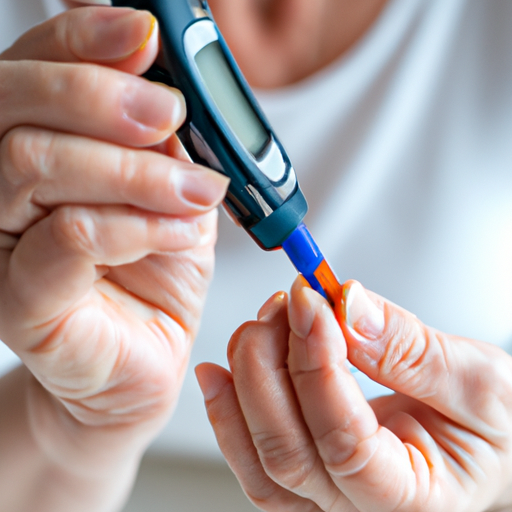
Other reseaches on this topic refer that there can be environmental factors, such as:
- Infections (e.g: Plantar ulcers, caused by bacterial infection, are related to diabetes).
- Being exposed to toxins or even gases.
These can affect your organism and tigger the autoinmune responses, leading to Diabetes 1 in individuals who are genetically susceptible.
✍🏻 Even thought, I haven't developed Diabetes, I'd been exposed to with ammonia, urea and others gases for 5 years.
Now, what happens if your Diabetes 1 condition goes to the next level and turns into...
Type 2 Diabetes.
In this type of diabetes, most factors implied are associated with not only lifestyle and family history derivated in any metabolic syndrome, but also shared enviromental influences rather than genetics.
According to some medical sources, type 2 diabetes is and has to be observed as…
… an autoinflammatory disease driven by metabolic stress.
Since diabetes is a chronic disease, there’s a close relation to metabolic syndromes and inflammation and, it’s at this point when a ketogenic diet and intermittent fasting is advised. Why? it helps get rid of an inflamed body by a natural detox.
✍🏻 A natural detox begins by reducing or taking out of your diet any agent causing gases or inflammation even when you cook your food (eg. Garlic. For some bodies, this condiment -natural or powdered, can cause stomach bloating).
In addition to inflammation, in obesity, a common symptom considered as risky (prediabetes) is Insulin resistance, which is, according to The National Institute of Diabetes, Digestive and Kidney Disease [NIDDK]:
… When cells in your muscles, fat, and liver don’t respond well to insulin and can’t easily take up glucose from your blood. As a result, your pancreas makes more insulin to help glucose enter your cells.
Now, let’s talk a bit about…
The role of good nutrition to manage diabetes.
There’s no doubt that nutrition is one of those key factors that influences in the possibility to develop any diabetes-related condition. So, in order to prevent or delay any type of diabetes or any metabolic syndrome to lead to, it’s important to start from what you eat.
A healthy diet can help:
- control blood sugar levels and
- prevent any complication in a person who’s already been diagnosed with diabetes.
Healthy Nutrition means…
- Fruit and vegetables, fresh and colorful
- reducing that fruit or veggie containing high levels of sugar, such as:
- Banana (I eat just a half of one)
- Watermelon
- Beetroot (I love this! I air-fry this like potato chips or
potato fingers)
- reducing that fruit or veggie containing high levels of sugar, such as:
- Whole grains, such as oats, brown rice, Konjac rice, quinoa…
- Lean proteins, such as fish, lean meat, poultry, eggs, beans, nuts, and seeds.
- Milk, yogurt, and cheese (When I have any of these, I try to eat them during daylight hours. Never after 6:00 pm or as part of my dinner. but if you can avoid milk (an inflammatory agent at some ages, like in my case), that’s better.
💡 Instead of buying vegetable dairy, a healthier way is making it at home. [Eg.: Cocoa, oat or almond milk]
- Healthy fats, such as olive oil, avocado, and nuts.
- No refined sugar added. The more natural you eat, the better you feel and control your condition.
What you should avoid:
- Refined carbs
- white bread, white rice, pasta, and pastries
- Processed foods (Everything boxed, canned or packaged). Ps.: In any case you can’t do without, read products label.
- chips, cookies, cakes, and candy
- Sugary drinks, such as soda, juice, and sports drinks (These are as poisoned as Tang or any other instant powdered sugared drink)
- Alcohol (I drink just red wine… If it’s italian, that’s better 😄).
But… Better safe than Sorry (Más vale prevenir que lamentar).
- Keep your scale in a healthy weight. In that way, you won’t risk to overweight and stay safe from having type 2 diabetes. (Insulin resistant is linked to obesity as I mentioned above.)
- Do some work out regularly or practice some physical activity (Jogging or just going out for short rides. | Fastic or any other wellbeing app can help you count your steps)
- Eat well and balanced. Full in protein and fiber.
- In case of noticing any possible symptoms or concerns about diabetes(eg.- Slow cicatrization of simple injuries, plantar ulcers, etc) or you’re showing any risk factors for diabetes, talk to your doctor for a soon diagnosis and medical treatment.
As a conclusion, I can say:
Just as any asset you have, your health is your responsibility.
Keep away from excess regarding to what’s not good and safe for your body.
A way to live life in the best and the healthiest condition comes in three:
Eat well - exercise yourself - sleep well (at least 7-8 hours a day.
But… Keep in mind also:
Hydrate yourself - Laugh and love.
A friendly reminder: Life is not just beautiful.It can be also Ketolicious!
💡 Content and information provided on this page are not intended to replace medical advice.