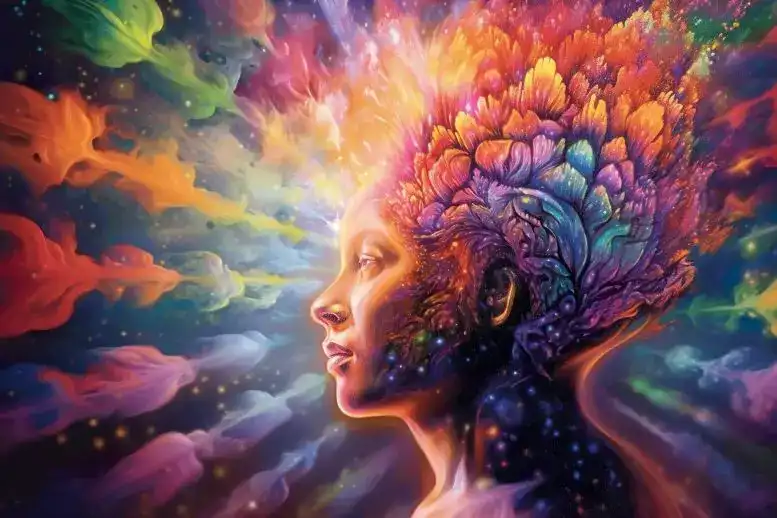

There is an intricate connection between spirituality, psilocybin, and health which makes for a rather multifaceted topic that has achieved increased attention and has captivated many bright minds.
Psilocybin has the unique ability to induce altered states of consciousness, often resulting in spiritual and mystical experiences. Users frequently report feelings of interconnectedness, unity with nature, transcendence and encounters with a higher power. The experience can lead to a heightened sense of purpose, increased empathy, and a broader perspective on life's meaning.
These experiences are sometimes likened to religious or spiritual awakenings.Psilocybin-assisted therapy has gained attention for its potential to address mental health issues such as depression, anxiety, and PTSD. The compound appears to facilitate a stronger connection between the mind and body, fostering introspection and heightened awareness of emotions, thoughts, and physical sensations. Guided therapy sessions under the influence of psilocybin can promote emotional healing, improved self-awareness, and enhanced mental well-being.
Some studies suggest that a single or a few doses of psilocybin, when administered in a controlled and therapeutic setting, can lead to significant and lasting reductions in symptoms. These positive effects might be related to the way psilocybin alters brain connectivity and promotes neural plasticity.An intriguing aspect of psilocybin experiences is the phenomenon of ego dissolution, where users temporarily lose their sense of self or ego. This dissolution can be a catalyst for personal transformation, challenging one's identity and perspective also leading to increased humility and openness. Individuals often describe a sense of unity with the universe, fostering a greater appreciation for the interconnectedness of all life.
Psilocybin's effects on brain chemistry and serotonin receptors contribute to altered perceptions, mood changes, and and the potential for spiritual experiences. These changes in neural connectivity may play a role in the profound insights and sense of unity that users often report.
The insights gained from psilocybin experiences hold potential long-term benefits when integrated into daily life. This involves reflecting on the lessons learned and incorporating them into decision-making, relationships, and overall well-being. Effective integration can lead to sustained improvements in mental health, spirituality, personal growth and positive lifestyle changes.
The use of psilocybin in spiritual contexts raises ethical and cultural considerations, particularly in relation to indigenous cultures that have incorporated these substances into their rituals for centuries. Responsible use and acknowledgment of the cultural significance of psilocybin-containing mushrooms are essential to avoid cultural appropriation and foster respect for traditional practices.
The legal status of psilocybin varies globally. Some regions are moving toward decriminalization or even legalization of psilocybin for medical or therapeutic use. As regulations evolve, a balanced approach is necessary to ensure access to beneficial experiences while minimizing potential risks.

The connection between spirituality, psilocybin, and health is an ever evolving field of study. While promising research suggests potential benefits for mental health and spiritual well-being, the responsible and informed use of psilocybin is crucial. As the scientific community continues to explore these intersections, individuals and society must navigate the ethical, legal, and cultural considerations to maximize the positive impacts while mitigating potential risks.
It is important to note that while there is promising research, there are also potential risks associated with psilocybin use, such as the potential for adverse psychological reactions or exacerbation of certain mental health conditions.
For anyone considering exploring psilocybin for spiritual or therapeutic reasons, it's paramount to do so in a safe and responsible manner. This might involve seeking guidance from qualified professionals, such as therapists experienced in psychedelic-assisted therapy, and also being aware of the legal and ethical considerations in your region.