
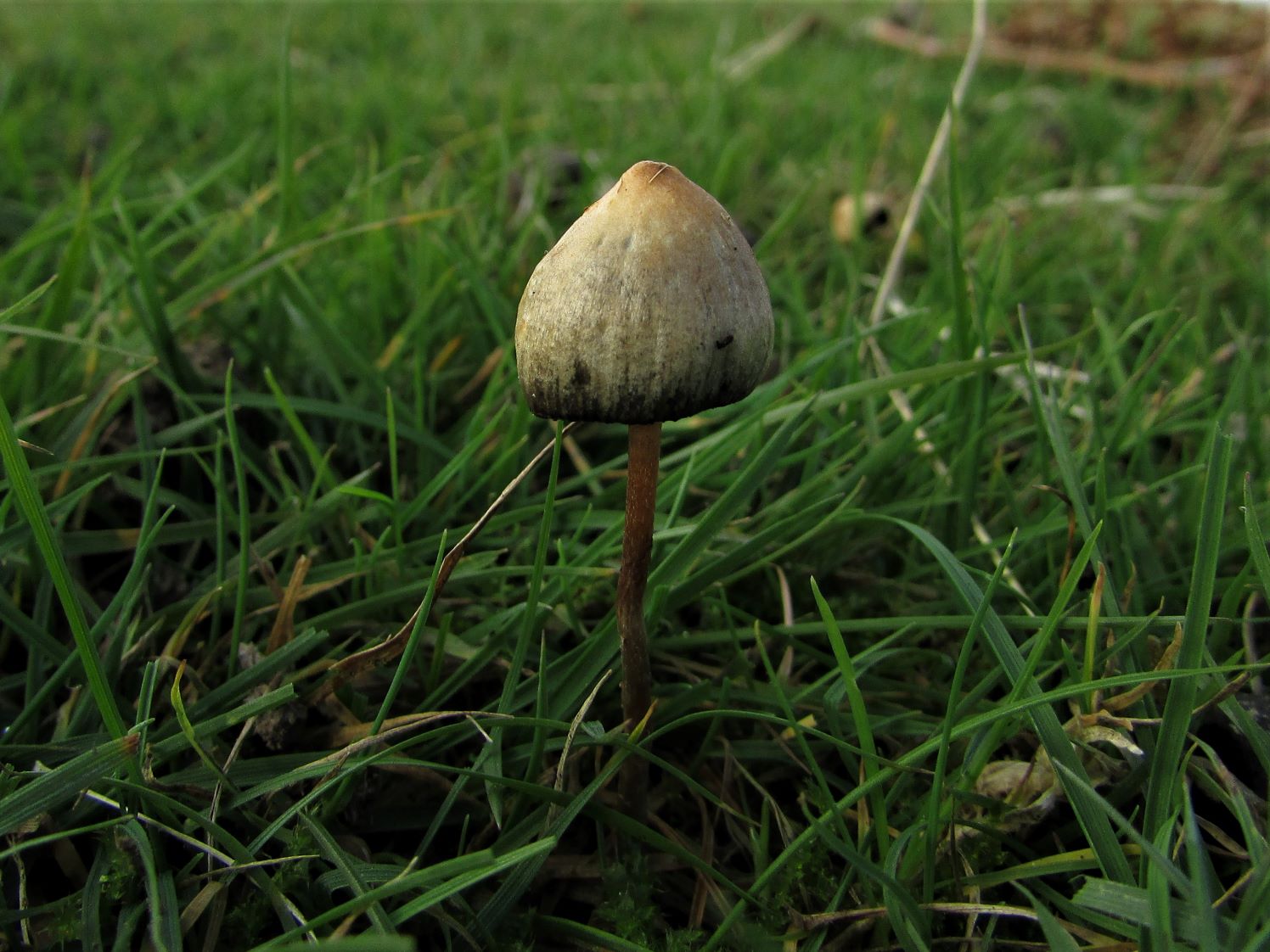
Magic mushrooms, scientifically known as psilocybin mushrooms, have a long and fascinating history that dates back thousands of years. These hallucinogenic fungi have been utilized by various cultures for spiritual, therapeutic, and recreational purposes.
The use of magic mushrooms can be traced back to ancient civilizations across the globe. Archaeological evidence suggests that certain prehistoric cultures in Mesoamerica, such as the Aztecs and the Mayans, incorporated psilocybin mushrooms into their religious rituals. The indigenous peoples of Mexico and Central America revered these mushrooms for their ability to induce altered states of consciousness, which they believed facilitated direct communication with the spiritual realm and the gods.
The knowledge of magic mushrooms was largely forgotten after the conquest of Mesoamerica by Spanish explorers in the 16th century.
However, their rediscovery by the Western world can be credited to the renowned ethnomycologist R. Gordon Wasson. In the mid-20th century, Wasson and his wife, Valentina Pavlovna, traveled to Mexico to participate in a Mazatec mushroom ceremony. Upon their return, they published an article in Life Magazine in 1957, which introduced magic mushrooms to the public outside of indigenous cultures.
The 1960s marked a significant turning point for magic mushrooms when they gained popularity among the counterculture movement. Influenced by Timothy Leary's famous phrase "Turn on, tune in, drop out," people began experimenting with psychedelics, including psilocybin mushrooms, as a means to expand consciousness and challenge societal norms. The psychedelic experience was seen as a tool for personal growth, spiritual enlightenment, and a way to break free from the constraints of the establishment.
As the use of magic mushrooms grew in popularity, so did concerns about their safety and potential for abuse. In response to the perceived dangers of psychedelic substances, including psilocybin, governments around the world classified them as Schedule I drugs, making their possession, use, and distribution illegal. This move effectively halted most research into the therapeutic benefits of magic mushrooms.
In recent years, there has been a resurgence of scientific interest in psilocybin mushrooms. Researchers and medical professionals have conducted studies that demonstrate promising results in treating various mental health conditions, such as depression, anxiety, and PTSD. Studies have shown that guided psychedelic experiences can lead to profound and long-lasting positive effects on emotional well-being and quality of life.
The therapeutic potential of psilocybin mushrooms has given rise to the field of psychedelic-assisted therapy. Various organizations and researchers are exploring the use of magic mushrooms as a complementary treatment for mental health disorders, often in combination with psychotherapy. This emerging field has garnered increasing support from both the scientific community and the public.
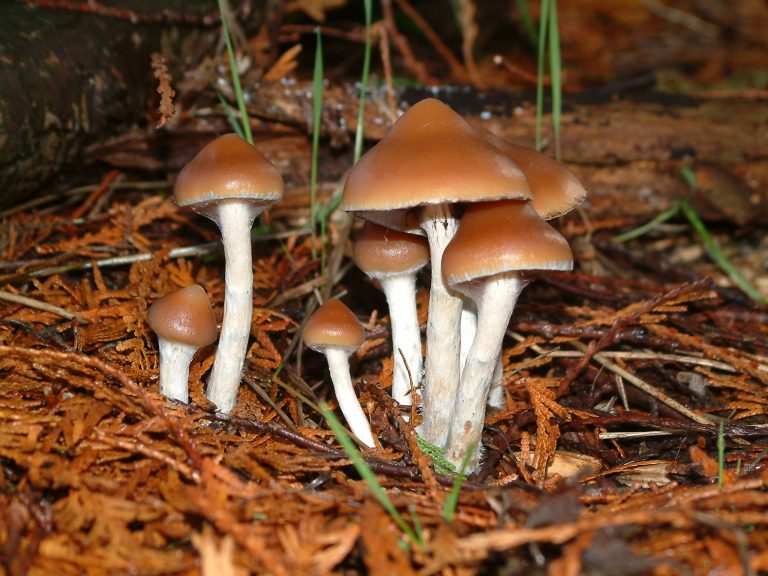
Psilocybin mushrooms use in spiritual rituals by ancient civilizations and their potential as a groundbreaking treatment for mental health conditions continue to captivate and inspire individuals and researchers alike. As the stigma surrounding psychedelic substances gradually diminishes, the study and understanding of magic mushrooms may pave the way for new and innovative approaches to mental healthcare in the future.