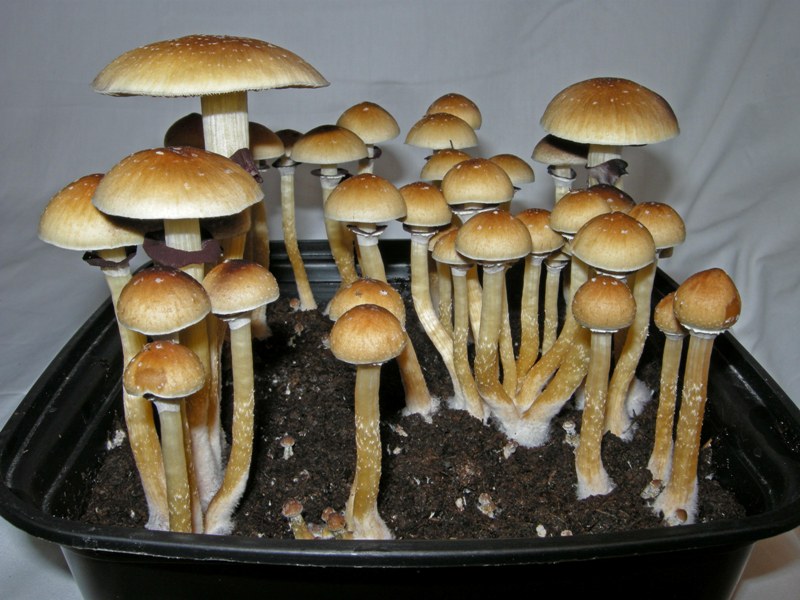

The roots of psychedelic therapy can be traced back thousands of years to indigenous cultures around the world. Many ancient civilizations, such as the indigenous tribes of the Amazon rainforest or the Native American tribes, incorporated psychedelic substances into their spiritual and healing practices. Plant medicines like ayahuasca, peyote, and magic mushrooms were revered as sacred tools to connect with higher realms, gain insight, and heal psychological and emotional wounds. These ancient traditions used the profound potential of psychedelics in facilitating transformative experiences and fostering personal growth.

The modern era of psychedelic therapy dawned in the mid-20th century when scientists and researchers began exploring the therapeutic potential of these substances within a clinical framework. Swiss chemist Albert Hofmann's accidental discovery of LSD in 1943 marked a significant turning point. Driven by curiosity, psychiatrists and psychologists began investigating the effects of LSD and other psychedelics on the human mind.
In the 1950s and 1960s, pioneers like Dr. Stanislav Grof, Humphry Osmond, and Timothy Leary embarked on groundbreaking research, utilizing psychedelics such as LSD and psilocybin in controlled clinical settings. They observed remarkable therapeutic outcomes, particularly in the treatment of mental health conditions like addiction, depression, and anxiety. This period witnessed a surge of interest and optimism surrounding the potential of psychedelic therapy to transform mental health care.

The widespread adoption and exploration of psychedelics faced societal challenges, especially during the 1960s and 1970s. The counterculture movement embraced these substances as tools for personal and societal transformation, promoting a more open and interconnected worldview. However, concerns about misuse, adverse effects, and the potential for recreational abuse led to increasing restrictions and the eventual criminalization of psychedelics. These legal and cultural shifts dampened research efforts and drove psychedelic therapy into obscurity for several decades.
The substances were classified as drugs, effectively halting most research and driving psychedelic therapy into the shadows.

After years of relative silence, psychedelic therapy experienced a resurgence in the 21st century. The pioneering work of researchers such as Dr. Roland Griffiths at Johns Hopkins University and Dr. Robin Carhart-Harris at Imperial College London revitalized interest in the therapeutic potential of psychedelics. Their studies, focusing on substances like psilocybin, demonstrated significant positive outcomes in treating depression, anxiety, addiction, and existential distress.
The contemporary landscape of psychedelic therapy is marked by rigorous scientific investigations, including clinical trials and neuroimaging studies, shedding light on the underlying mechanisms and safety profiles of psychedelics. With a growing body of evidence supporting their efficacy, some countries have already begun to revise their regulatory frameworks, allowing for expanded research and the exploration of psychedelic therapy as a legitimate treatment option.

Continued research aims to refine protocols, optimize therapeutic approaches, and explore the potential benefits across diverse populations. Collaborations between scientists, clinicians, and indigenous communities foster a holistic understanding of these powerful substances and the integration of ancient wisdom into modern therapeutic contexts.
The resurgence of psychedelic therapy has spurred discussions around mental health, consciousness, and the interconnectedness of all beings. It represents a paradigm shift in our approach to healing, emphasizing the profound potential of altered states of consciousness and the therapeutic value of non-ordinary experiences.