
In the vast realm of entheogenic plants and substances that have been used for centuries by various cultures for spiritual and therapeutic purposes, psychedelic cacti stand out as some of the most intriguing and enigmatic. These cacti, containing psychoactive compounds, have a long history of use in shamanic and religious rituals, as well as in modern explorations of
consciousness.
The term "psychedelic cacti" broadly encompasses various cacti species from the Americas, primarily found in regions of Central and South America. While many cacti species contain mescaline, the primary psychoactive alkaloid responsible for their hallucinogenic properties, a few notable members of this family are particularly renowned.
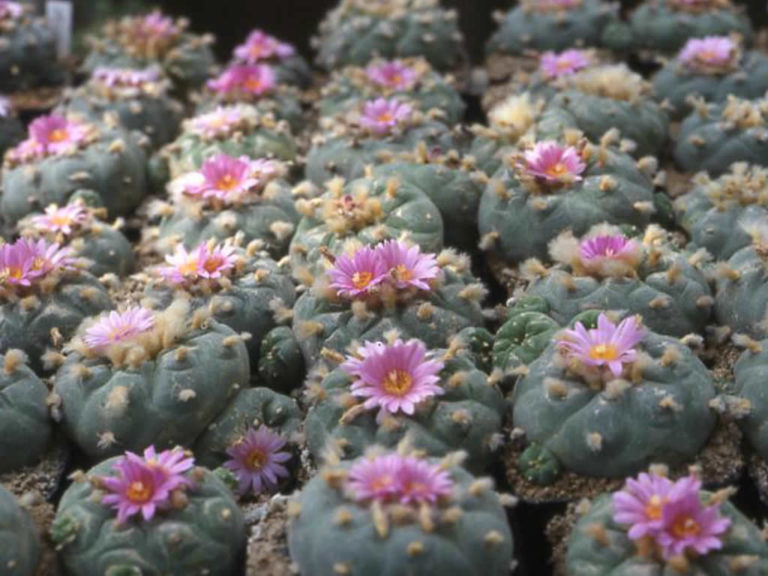
- Peyote (Lophophora williamsii): Perhaps the most famous of all psychedelic cacti, peyote has been used for thousands of years by indigenous peoples in the southwestern United States and northern Mexico. The small, button-like tops of the cactus are consumed, typically dried and ingested, to induce profound spiritual and visionary experiences.
For the Huichol people of Mexico, peyote is an essential part of their religious practices. They believe that by ingesting peyote, they can communicate with the divine and gain insight into the spiritual world. The Tarahumara also utilize the cactus in their rituals, using it to heal, guide, and connect with their deities. In the United States, the Native American Church, founded in the late 19th century, incorporates peyote into its ceremonies, considering it a sacrament that brings spiritual enlightenment and healing.
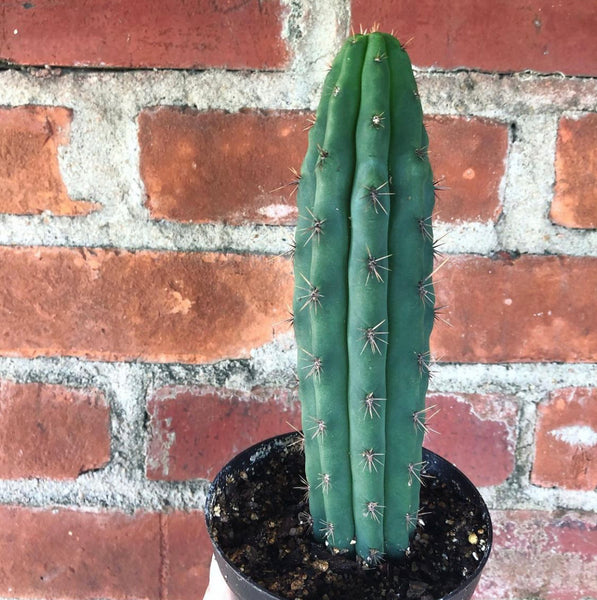
- San Pedro (Echinopsis pachanoi): This tall and columnar cactus, native to the Andes, contains mescaline as well and has a rich history in South American shamanic traditions. San Pedro is often brewed into a ceremonial tea known as "aguacolla" and is revered for its ability to connect individuals to the spirit world.
San Pedro has a rich history that can be traced back to pre-Inca civilizations, where it played a pivotal role in various religious ceremonies. Indigenous communities, such as the Chavín and the Moche, held this cactus in high regard, believing it to be a conduit to the spiritual realm. Today, it remains an essential part of Andean shamanic traditions and is revered for its ability to facilitate introspection and enlightenment.

- Peruvian Torch (Echinopsis peruviana): Another cactus native to the Andes, the Peruvian Torch is often used alongside San Pedro in shamanic rituals and is prized for its mescaline content and ability to induce visionary states.
Shamans and healers in the Andes utilize the Peruvian Torch for a variety of purposes, including diagnosing and treating physical and emotional ailments. It is believed to have the power to restore harmony within the individual and with the natural world. Participants in ceremonies with the Peruvian Torch aim to gain a deeper understanding of life's purpose and achieve emotional and spiritual healing.
Psychedelic cacti hold immense cultural and spiritual significance in the regions where they are native. Indigenous tribes have used these plants for centuries to connect with the divine, gain insights, and heal the sick. The rituals surrounding psychedelic cacti are often deeply rooted in traditions that involve ceremonial song, dance, and guided journeys led by experienced shamans.
In recent decades, the popularity of psychedelic cacti has escaped their native regions and found a place in the global consciousness. Enthusiasts and seekers from all walks of life have been drawn to the wisdom and insights these plants can offer.
The psychoactive properties of psychedelic cacti are primarily attributed to mescaline, a naturally occurring alkaloid. Mescaline interacts with the serotonin receptors in the brain, leading to altered states of perception, hallucinations, and profound introspection. These cacti have evolved over millions of years to protect themselves from predators by developing the psychoactive compounds in their flesh, which make them unappealing or even toxic to some animals.
The effects of ingesting psychedelic cacti can be highly variable, depending on factors like dosage, individual sensitivity, and the setting in which the experience occurs. Common experiences include visual distortions, heightened sensory perception, emotional catharsis, and a deep sense of connection with nature and the universe. Users often report profound insights into their lives, a greater sense of purpose, and a heightened appreciation for the beauty of the world.
It's important to note that the use of psychedelic cacti is not without risks, including the potential for challenging or even traumatic experiences. Responsible use, proper preparation, and the presence of experienced guides can significantly enhance the safety and value of these journeys.
Psychedelic cacti are an intriguing and culturally rich facet of the world of entheogens. While their use dates back centuries in indigenous traditions, their appeal has grown in the modern world. They continue to be a source of inspiration and transformation for those who explore their profound effects on the human mind and spirit. However, it's crucial to approach these plants with respect, caution, and a deep understanding of their cultural and biological significance. As the world continues to grapple with the evolving landscape of psychedelic exploration, the legacy of these cacti remains vibrant and enduring.