

In the AI era, data is currency, and our data has market value. We all know that companies do business with it; Facebook, for example, is free because our data is the product. But not all data is equal. So-called "sensitive data" is information that, if it falls into the wrong hands, could be used against us. This includes information about our health, religious beliefs, political preferences, among others. This type of data requires special care, as it can be used to discriminate, restrict rights, or negatively affect people, especially those in vulnerable conditions. But what happens when this information is collected without our knowledge?
Social networks like Facebook, X, Instagram, or TikTok don't just record what we post, but also metadata, such as the time and place of our interactions. This type of information is invaluable for tech companies, which use it to create detailed user profiles without them noticing. These companies have a more detailed psychological profile of us than we ourselves are aware of; we could say they know us better than we know ourselves.
How can we protect our sensitive data? Privacy policies are intended to grant users the right to protect their sensitive data; in this sense, these policies aim to be a balance of power between users and data administrators. However, the reality is that most of us accept these policies without reading them, creating an illusion of control that we rarely exercise, what some authors define as consent fatigue.
What is consent fatigue? During user interaction with different sites, they are constantly bombarded with banners requiring their consent in order to comply with applicable data protection legislation. Users rarely stop to read in detail what they're consenting to; this phenomenon is called consent fatigue. Have you experienced it?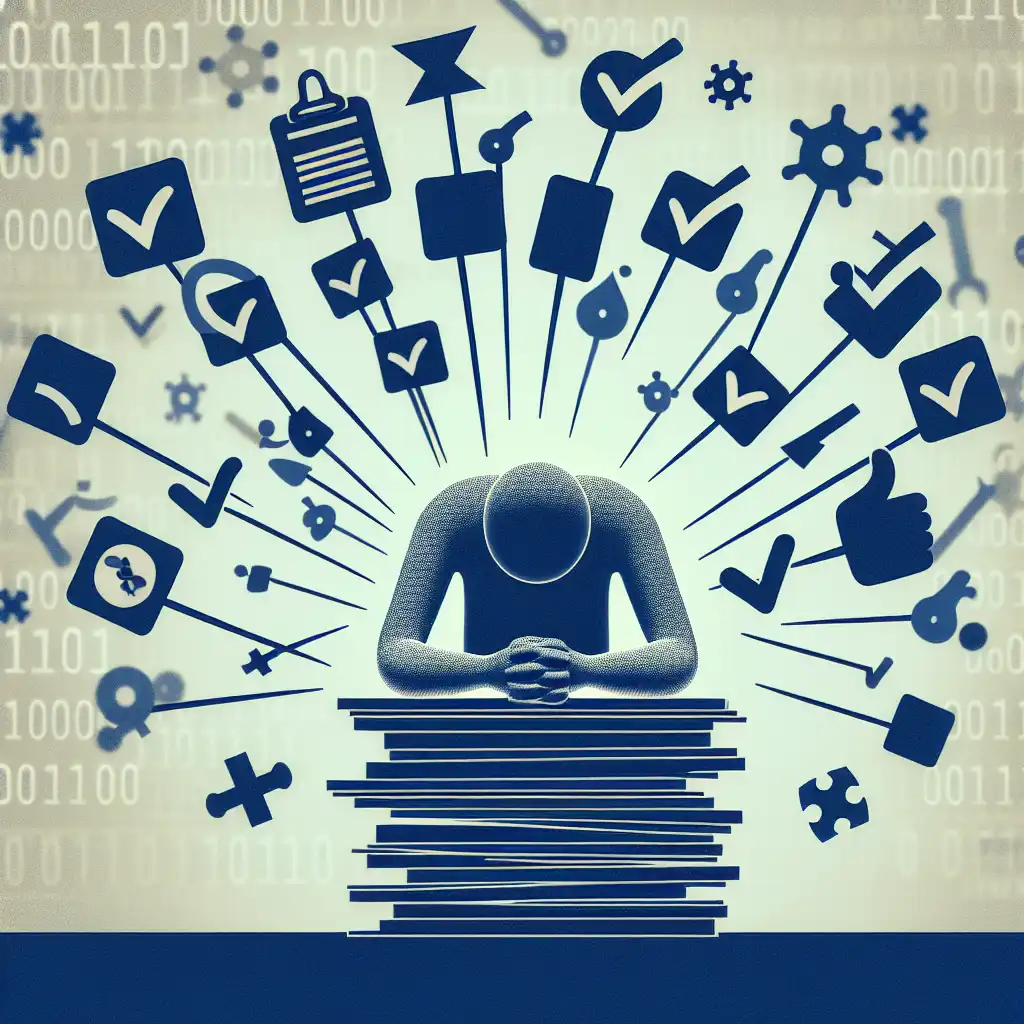
The convenience versus privacy dilemma. Every time we download an app or register for a new service, we face a decision: do we sacrifice our privacy for convenience? Most of us opt for convenience, allowing access to our location, contacts, and browsing habits in exchange for "free" services. This seemingly simple decision has profound consequences that we rarely consider.
Artificial intelligence as a risk amplifier. With the advancement of artificial intelligence, our sensitive data takes on new meaning. Algorithms can now infer extremely personal information from seemingly innocuous data. For example, mobile phone usage patterns can reveal moods, mental health issues, or even changes in our family situation; all this without us directly providing this information.
Shared responsibility. The protection of sensitive data cannot fall solely on users. Tech companies must adopt an ethical approach to data handling, implementing robust security measures and being transparent about how they use our information. Governments, for their part, must establish and enforce regulations that effectively protect citizens' digital rights.
Digital education: the best defense. The best tool to protect our sensitive data is digital education. We need to understand not only what information we share but also how it can be used. This involves learning to:
Regularly review and adjust privacy settings
Understand what permissions we grant to applications
Recognize phishing attempts and other forms of social engineering
Use protection tools like VPNs and password managers
The future of digital privacy. As we move toward an increasingly connected world, the protection of sensitive data becomes more crucial. The Internet of Things (IoT) and smart homes generate massive amounts of data about our daily habits. Are we prepared to protect all this information?
Conclusion: The protection of sensitive data in the AI era is a complex challenge that requires a balance between technological innovation and fundamental rights. We cannot stop technological advancement, but we can demand that this progress respects our privacy and dignity. As users, we must be more conscious and proactive in protecting our sensitive information, while companies and governments must assume their responsibility in creating a safer and more ethical digital ecosystem.
The next time an application asks for access to our data, let's remember that we're not just sharing information, but potentially exposing intimate aspects of our lives that could be used in ways we can't even imagine. Privacy is a fundamental right that, once lost, is difficult to recover.