
The growing popularity of crypto assets has prompted governments and regulatory bodies to address the legal implications of this new form of digital asset, in the face of the risk of losing the monopoly over the global financial system's domain. Deliberations in international forums such as the G20 and actions taken by entities such as the United States Securities and Exchange Commission (SEC) and the European Parliament reflect the urgency to establish an appropriate regulatory framework. This article examines how emerging regulations are affecting the industry and the potential that decentralized and private cryptocurrencies have in this new landscape.
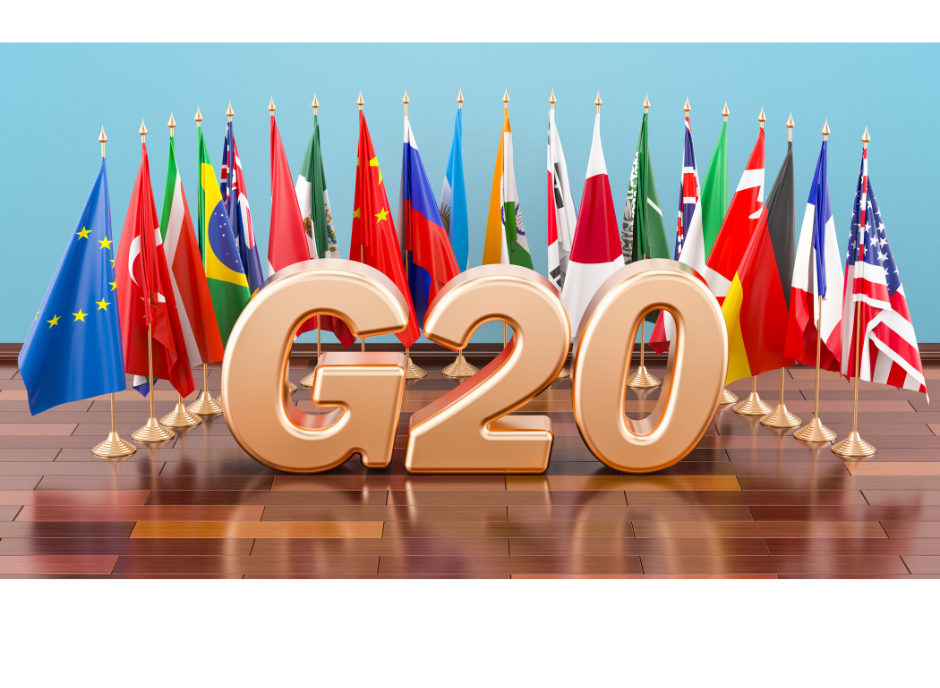
On February 22, the G20 meeting was held in India, a crucial forum for political and economic deliberation. This event brings together the most powerful and emerging economies in the world, representing 85% of the global economy and two-thirds of the planet's population.
During the meeting, participants emphasized the urgent need for global coordination to regulate crypto assets. India, in particular, insisted on the need to join efforts to create joint regulation, and there were even calls for an outright ban.
Meanwhile, in the United States, the Securities and Exchange Commission (SEC) has not hesitated to impose sanctions in an environment that has been described as hostile and over-regulatory. Its chairman, Gary Gensler, faces questioning before Congress due to the lack of clear regulation and the uncertainty this generates in the industry. Faced with this risk, many companies are looking for new horizons outside the United States.
One example is Coinbase, the leading exchange company in the United States, which recently obtained a license to operate in Bermuda following SEC sanctions. Brian Armstrong, CEO of Coinbase, stated recently in London that the company is looking for alternative solutions and suggested that it could relocate outside the United States due to SEC scrutiny. The magnitude of this move is drastic and shows desperation as Coinbase is primarily focused on the US market and has almost total dominance of the local market.
On the other hand, the European Parliament positioned itself at the forefront of global crypto asset regulation by approving the "Markets In Crypto Assets" better known as MiCA, on April 20. This new regulation aims to provide certainty to the industry; an important feature is that exchange companies will not require permission in each European Union country, a community registration will suffice. This makes the region the largest in the world regulated under a single legal framework.
In this bustling environment of regulations, we are witnessing a struggle for the monopoly of the global financial system. Decentralized and private currencies such as Zcash could have a great opportunity to return power to the people.
In summary, the regulatory landscape of crypto assets is constantly evolving, and it is essential for stakeholders to adjust to the new reality. Decentralized and private cryptocurrencies can play an important role in this changing scenario. It is crucial for governments, regulators, and companies to collaborate in developing a regulatory framework that fosters innovation and protects consumers and investors while preventing excessive concentration of power in the global financial system.